June Infrastructure Output Slows Significantly
ECONOMY & POLICY

June Infrastructure Output Slows Significantly

India's infrastructure output growth in June 2024 reached its slowest pace in nearly two years, reflecting a significant deceleration in the sector's expansion. The growth rate slowed to just 3.5%, down from previous months, raising concerns about the impact on the overall economy.

The slowdown is attributed to reduced activity in key sectors such as construction, steel, and cement. These sectors have historically been crucial drivers of infrastructure development and economic growth. The decline in growth is also linked to delays in project execution and slower-than-expected investment inflows.

Despite a robust performance in earlier months, the recent dip highlights challenges in sustaining momentum. Factors such as logistical issues, regulatory hurdles, and fluctuating demand have contributed to the current scenario.

The slower growth in infrastructure output could affect broader economic indicators, including employment and industrial production. Policymakers and industry stakeholders are closely monitoring the situation to implement strategies that could reinvigorate the sector and ensure a more balanced growth trajectory moving forward.

India's infrastructure output growth in June 2024 reached its slowest pace in nearly two years, reflecting a significant deceleration in the sector's expansion. The growth rate slowed to just 3.5%, down from previous months, raising concerns about the impact on the overall economy. The slowdown is attributed to reduced activity in key sectors such as construction, steel, and cement. These sectors have historically been crucial drivers of infrastructure development and economic growth. The decline in growth is also linked to delays in project execution and slower-than-expected investment inflows. Despite a robust performance in earlier months, the recent dip highlights challenges in sustaining momentum. Factors such as logistical issues, regulatory hurdles, and fluctuating demand have contributed to the current scenario. The slower growth in infrastructure output could affect broader economic indicators, including employment and industrial production. Policymakers and industry stakeholders are closely monitoring the situation to implement strategies that could reinvigorate the sector and ensure a more balanced growth trajectory moving forward.

Related Stories

Gold Stories
Next Story
Real Estate

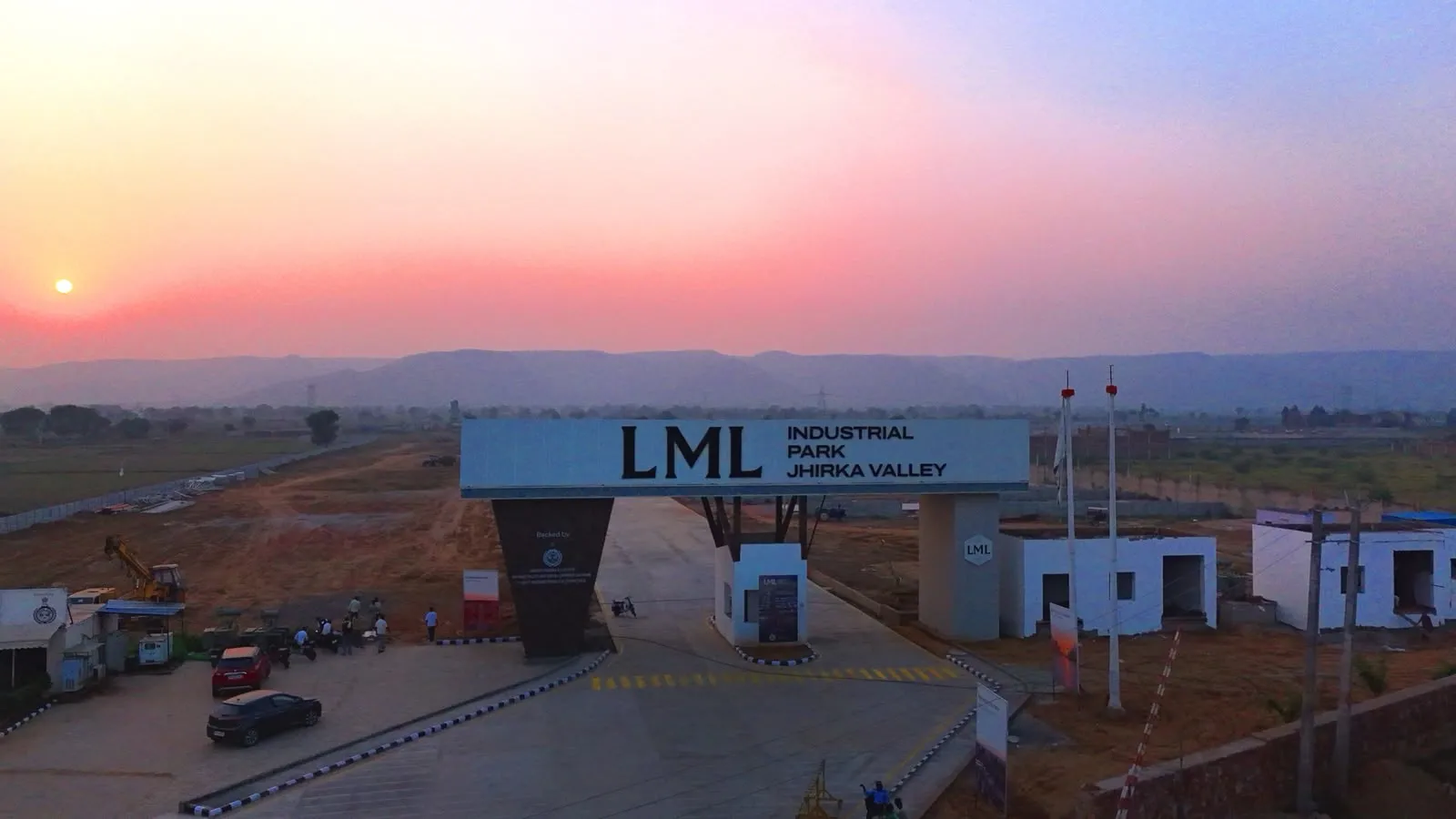
LML Realty Sells Out Jhirka Valley Industrial Park in Haryana

LML Realty, the real estate arm of LML Group, recently announced the complete sell-out of its Jhirka Valley Industrial Park in Haryana, with over 1.17 million sq ft of industrial space acquired by more than 50 companies. With utilities and internal infrastructure in place, the company has commenced plot handovers, enabling buyers to begin construction and establish their operations.The industrial park has attracted companies across diverse sectors, including chemicals, metals and alloys, textiles, electrical equipment, energy, logistics, construction, polymers and engineering. Key buyers inclu..

Next Story
Real Estate

WSB Real Estate Partners Exits Six Housing Investments

WSB Real Estate Partners recently announced the successful exit of six residential investments across Bengaluru, Mumbai Metropolitan Region (MMR) and National Capital Region (NCR), delivering an average internal rate of return (IRR) of 19–21 per cent and an overall investment return of 1.4 times.The real estate-focused investment firm invested approximately Rs 7 billion across six mid-affordable housing projects over the past four years. All six investments were fully repaid between April and November 2026, several months ahead of their original investment tenures.WSB collaborated with sever..

Next Story
Infrastructure Transport

Aluminium Industry Seeks Policy Support for Rs 4 Trillion Investment

The Aluminium Association of India (AAI) has recently urged the government to introduce supportive policy measures to safeguard the sector’s proposed Rs 4 trillion investment pipeline. The association highlighted the need for a predictable policy framework to strengthen domestic manufacturing, expand production capacity and reduce import dependence.AAI submitted its recommendations for the Union Budget 2027-28 to the Ministries of Finance, Commerce and Industry, and Mines, along with the Department for Promotion of Industry and Internal Trade (DPIIT).India’s aluminium demand is projected t..

Subscribe to Our Newsletter

Get daily newsletters around different themes from Construction world.

STAY CONNECTED

Advertisement

SPECIAL OFFER
QR Code