Krisumi Plans Senior Living Venture with Health and Wellness Focus
ECONOMY & POLICY

Krisumi Plans Senior Living Venture with Health and Wellness Focus

Gurugram-based Krisumi Corporation, the Indo-Japanese real estate joint venture between India’s Krishna Group and Japan’s Sumitomo Corporation, is preparing to enter the senior living segment with a project centred on health, wellness and specialised facilities for older residents. The proposed development is expected to address needs associated with conditions including Parkinson’s disease, arthritis and dementia.

Ashok Kapur, chairman of Krishna Group and a key figure behind Krisumi, said the senior living concept had been under consideration for nearly two decades. He indicated that the company now believed it had the credibility and reputation needed to develop a project offering older residents a supportive and well-equipped living environment.

Krisumi has identified a location for the venture, although it has not formally announced the site. The project’s size, investment, facilities, care model and launch timeline have also not been disclosed. The development would extend the company’s residential portfolio beyond conventional luxury housing and apply its emphasis on Japanese design, quality and hospitality to a service-intensive category.

Senior living communities are gaining attention in urban centres such as Gurugram, where nuclear families and demanding work schedules can make caring for ageing parents challenging. Such developments typically combine independent accommodation with safety measures, healthcare access, social activities, housekeeping, maintenance and wellness programmes, allowing residents to retain privacy and independence while receiving support.

The precise level of care planned by Krisumi remains unclear, including whether the project will provide independent living, assisted living or specialised support. Age-friendly features such as step-free pathways, accessible bathrooms, lifts, non-slip flooring and emergency response systems are likely to be important, particularly for residents with mobility or cognitive difficulties. Healthcare partnerships, trained staff, transparent service charges and professional facility management will also be central to the project’s operation. The wider sector continues to face the challenge of balancing premium offerings with affordability and clearly defined recurring care costs.

Gurugram-based Krisumi Corporation, the Indo-Japanese real estate joint venture between India’s Krishna Group and Japan’s Sumitomo Corporation, is preparing to enter the senior living segment with a project centred on health, wellness and specialised facilities for older residents. The proposed development is expected to address needs associated with conditions including Parkinson’s disease, arthritis and dementia. Ashok Kapur, chairman of Krishna Group and a key figure behind Krisumi, said the senior living concept had been under consideration for nearly two decades. He indicated that the company now believed it had the credibility and reputation needed to develop a project offering older residents a supportive and well-equipped living environment. Krisumi has identified a location for the venture, although it has not formally announced the site. The project’s size, investment, facilities, care model and launch timeline have also not been disclosed. The development would extend the company’s residential portfolio beyond conventional luxury housing and apply its emphasis on Japanese design, quality and hospitality to a service-intensive category. Senior living communities are gaining attention in urban centres such as Gurugram, where nuclear families and demanding work schedules can make caring for ageing parents challenging. Such developments typically combine independent accommodation with safety measures, healthcare access, social activities, housekeeping, maintenance and wellness programmes, allowing residents to retain privacy and independence while receiving support. The precise level of care planned by Krisumi remains unclear, including whether the project will provide independent living, assisted living or specialised support. Age-friendly features such as step-free pathways, accessible bathrooms, lifts, non-slip flooring and emergency response systems are likely to be important, particularly for residents with mobility or cognitive difficulties. Healthcare partnerships, trained staff, transparent service charges and professional facility management will also be central to the project’s operation. The wider sector continues to face the challenge of balancing premium offerings with affordability and clearly defined recurring care costs.

Related Stories

Gold Stories

Next Story
Infrastructure Transport

Alstom Begins Production of 96 Driverless Chennai Metro Cars

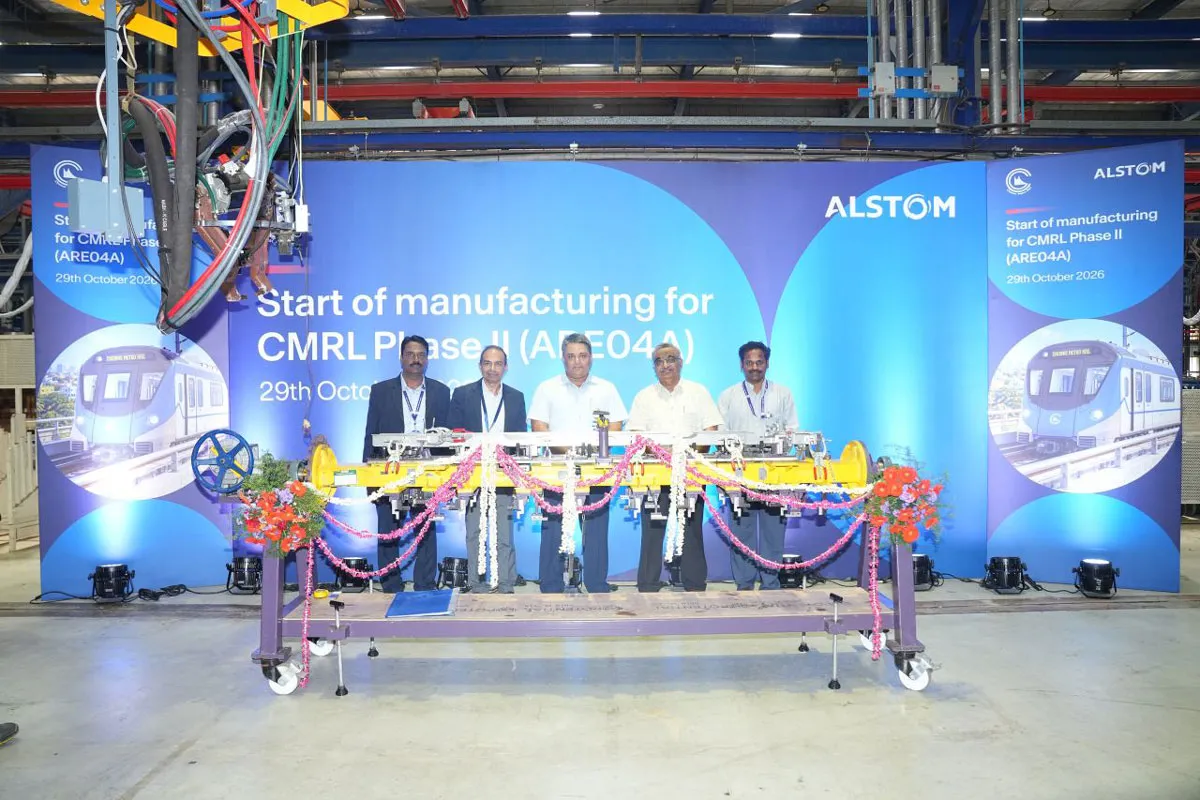
Alstom has commenced manufacturing 96 Metropolis driverless metro cars for Chennai Metro Phase II at its Sri City facility in Andhra Pradesh. The production forms part of a €135 million contract awarded by Chennai Metro Rail Limited (CMRL) in 2025, covering the design and manufacture of 32 three-car trainsets and 15 years of comprehensive maintenance following the warranty period.Chennai Metro Phase II spans approximately 119 km across three corridors and associated inter-corridor sections, comprising more than 76 km of elevated tracks and 43 km of underground routes.Under the Make in India ..
Next Story
Products

Hafele launches Alustro flexible shelving system

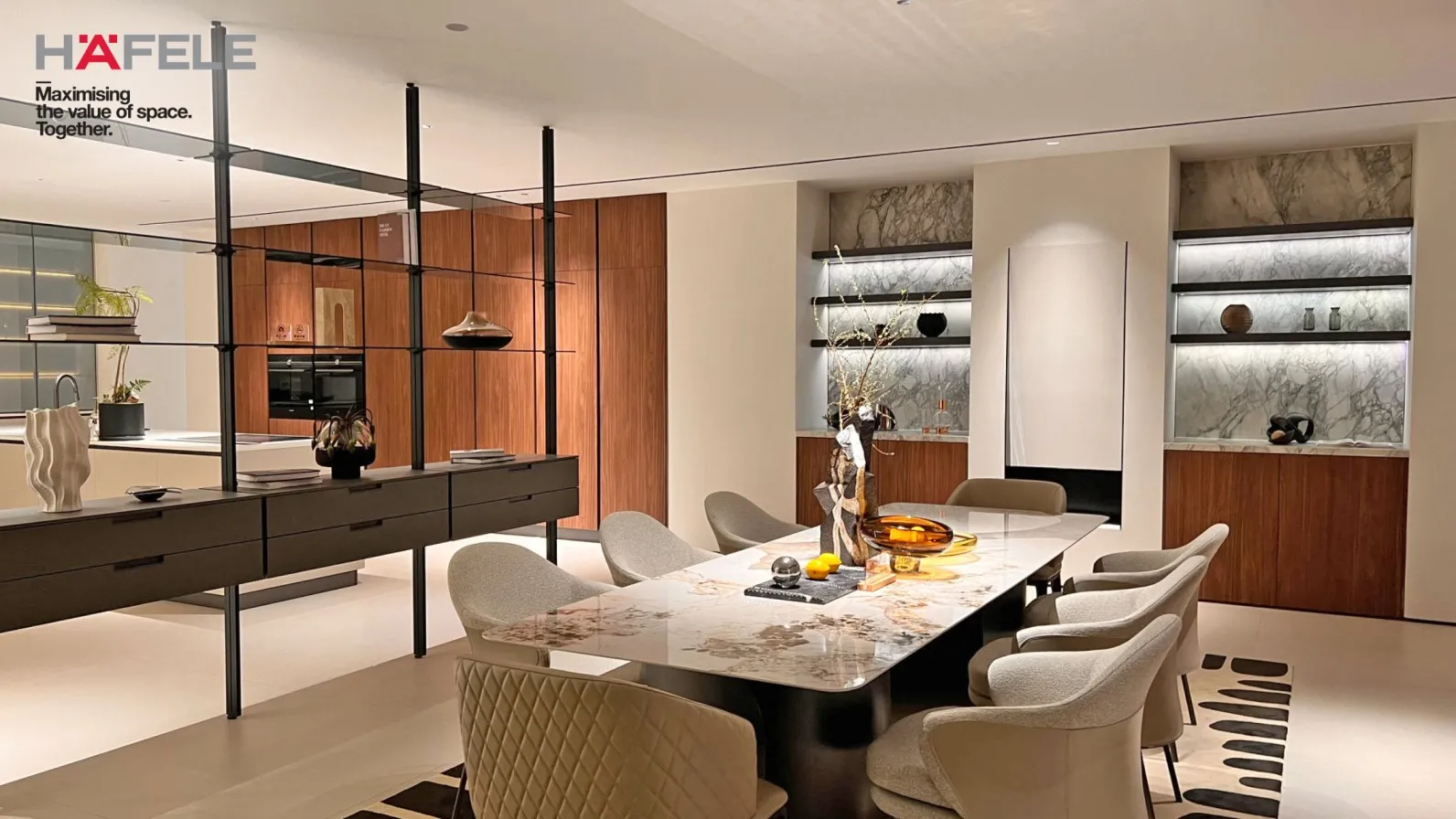
Häfele India has introduced the Alustro Flexible Shelving System, a modular storage solution designed to maximise space and offer flexibility in residential interiors. The system can be configured for applications such as room dividers, walk-in wardrobes, kitchen units, wall-mounted shelves and vanity mirrors.Alustro allows users to combine aluminium, wooden and glass shelves within a single structure. It supports shelf heights of up to 3,000 mm and section widths of up to 1,164 mm. Additional options include coat stand profiles with protective gaskets for wardrobes and front- or rear-facing ..
Next Story
Infrastructure Urban

India's warehousing leasing rises 12 per cent to 19.1 million sq ft in Q3

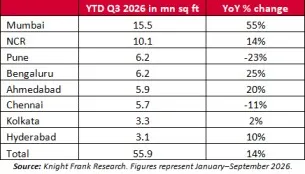
India's warehousing market recorded leasing of 19.1 million sq ft across eight primary markets in Q3 2026, an increase of 12 per cent year-on-year, according to Knight Frank India's India Warehousing Market Report – Q3 2026. Manufacturing and third-party logistics (3PL) operators remained the key demand drivers, while occupiers continued to favour Grade A facilities.Manufacturing and 3PL together accounted for 76 per cent of leasing demand during the quarter. Manufacturing leasing, excluding fast-moving consumer goods (FMCG) and consumer durables (FMCD), increased 11 per cent year-on-year, s..

Advertisement

Subscribe to Our Newsletter

Get daily newsletters around different themes from Construction world.

STAY CONNECTED

Advertisement

SPECIAL OFFER
QR Code