Mayurbhanj Reaches 70 Per Cent Rural Tap Water Coverage
ECONOMY & POLICY

Mayurbhanj Reaches 70 Per Cent Rural Tap Water Coverage

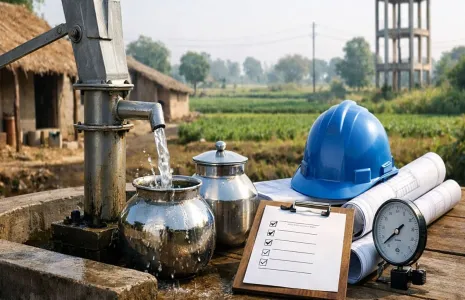
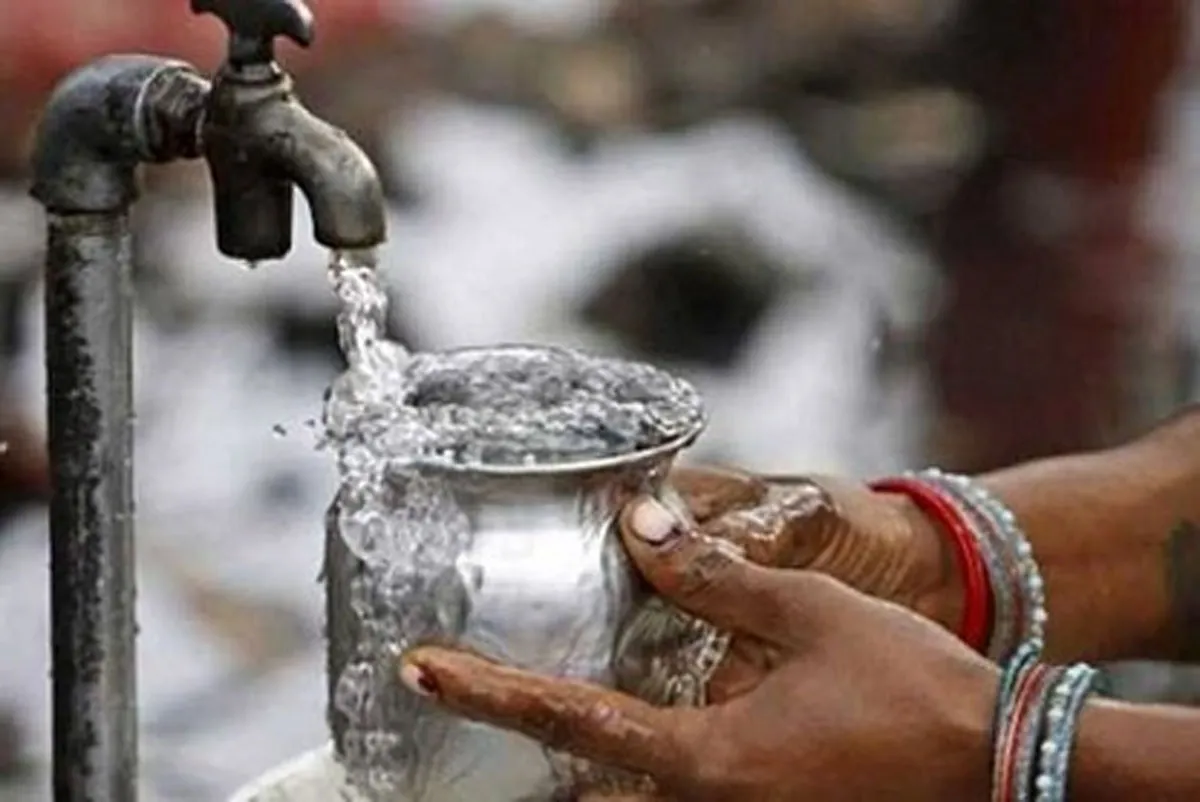
Since August 2019, the Government of India has been implementing the Jal Jeevan Mission (JJM) in partnership with States and Union Territories, including Odisha, to provide every rural household in the country with a functional tap water connection. As drinking water is a State subject, the planning, approval, execution and maintenance of water supply schemes, including those under JJM, rest with State and UT Governments. The Central Government supplements these efforts through technical and financial assistance.

According to data reported by the Government of Odisha on the JJM-IMIS platform, Mayurbhanj district comprises 3,679 villages, of which 1,037 have achieved full tap water coverage under the Mission.

As on 15 August 2019, only 22,333 rural households in Mayurbhanj — about 4 per cent — had access to tap water. Since then, an additional 369,000 households have received tap water connections. As of 26 November 2025, out of 559,000 rural households in the district, approximately 391,000 households (70 per cent) have functional tap water supply, while around 168,000 households remain to be covered.

During the 2025 Budget, the Finance Minister announced the extension of Jal Jeevan Mission until 2028 with an enhanced outlay. The extended period will prioritise completion of the remaining works, strengthen the quality of infrastructure, and improve operations and maintenance of rural piped water supply schemes through Jan Bhagidhari, ensuring sustainability and citizen-centred service delivery.

The information was provided by the Minister of State for Jal Shakti, Shri V. Somanna, in a written reply in the Rajya Sabha.

Since August 2019, the Government of India has been implementing the Jal Jeevan Mission (JJM) in partnership with States and Union Territories, including Odisha, to provide every rural household in the country with a functional tap water connection. As drinking water is a State subject, the planning, approval, execution and maintenance of water supply schemes, including those under JJM, rest with State and UT Governments. The Central Government supplements these efforts through technical and financial assistance. According to data reported by the Government of Odisha on the JJM-IMIS platform, Mayurbhanj district comprises 3,679 villages, of which 1,037 have achieved full tap water coverage under the Mission. As on 15 August 2019, only 22,333 rural households in Mayurbhanj — about 4 per cent — had access to tap water. Since then, an additional 369,000 households have received tap water connections. As of 26 November 2025, out of 559,000 rural households in the district, approximately 391,000 households (70 per cent) have functional tap water supply, while around 168,000 households remain to be covered. During the 2025 Budget, the Finance Minister announced the extension of Jal Jeevan Mission until 2028 with an enhanced outlay. The extended period will prioritise completion of the remaining works, strengthen the quality of infrastructure, and improve operations and maintenance of rural piped water supply schemes through Jan Bhagidhari, ensuring sustainability and citizen-centred service delivery. The information was provided by the Minister of State for Jal Shakti, Shri V. Somanna, in a written reply in the Rajya Sabha.

Next Story
Infrastructure Urban

Atal Bhujal Pilot Shows Gains In Karnataka Water Management

Atal Bhujal Yojana, introduced as a pilot initiative for participatory groundwater management, was implemented in priority water-stressed regions across seven States. In Karnataka, the programme covered 1,199 Gram Panchayats across 14 districts, including Bagalkot, Belagavi, Bengaluru Rural, Chamarajanagar, Chikkaballapur, Chikkamagaluru, Chitradurga, Davanagere, Gadag, Hassan, Kolar, Ramanagara, Tumakuru and Vijayanagar. The pilot has significantly improved groundwater governance through sustained community involvement. The establishment of Participatory Groundwater Management Committees, th..

Next Story
Infrastructure Urban

India Expands Digital Tools For Groundwater And Water Mapping

Atal Bhujal Yojana, a community-led groundwater management initiative, was implemented as a pilot across 8,203 priority water-stressed Gram Panchayats in seven States — Gujarat, Haryana, Karnataka, Madhya Pradesh, Maharashtra, Rajasthan and Uttar Pradesh. The scheme sought to improve groundwater management through community participation and demand-side interventions, reinforcing sustainability by strengthening institutions, governance frameworks and offering incentives for conservation at grassroots level. Under the Jal Shakti Abhiyan: Catch the Rain (JSA: CTR) campaign, overseen by the Mi..

Next Story
Infrastructure Urban

Maharashtra Reports Steady Progress On Water Conservation Efforts

Water is a State subject, and the responsibility for the conservation, planning, implementation, funding and execution of water resource management lies primarily with State Governments. The Central Government plays a supplementary role, supporting State-led initiatives. According to information provided by the Government of Maharashtra, the State has been consistently reviewing the progress of its Jal Sanchay Jan Bhagidari initiatives, including the Jal Shakti Abhiyan and the Amrit Sarovar programme. These reviews focus on strengthening community participation and ensuring measurable, on-gro..

Advertisement

Subscribe to Our Newsletter

Get daily newsletters around different themes from Construction world.

STAY CONNECTED

Advertisement

Advertisement

Advertisement

Get CW App