Mira-Bhayandar To Accelerate Redevelopment With Mini Clusters
Real Estate

Mira-Bhayandar To Accelerate Redevelopment With Mini Clusters

The redevelopment of old and unsafe buildings in Mira-Bhayandar is set to gather pace, with the civic body moving towards recognising groups of at least five buildings—or plots meeting specific minimum built-up criteria—as ‘mini clusters’ under the cluster redevelopment scheme.

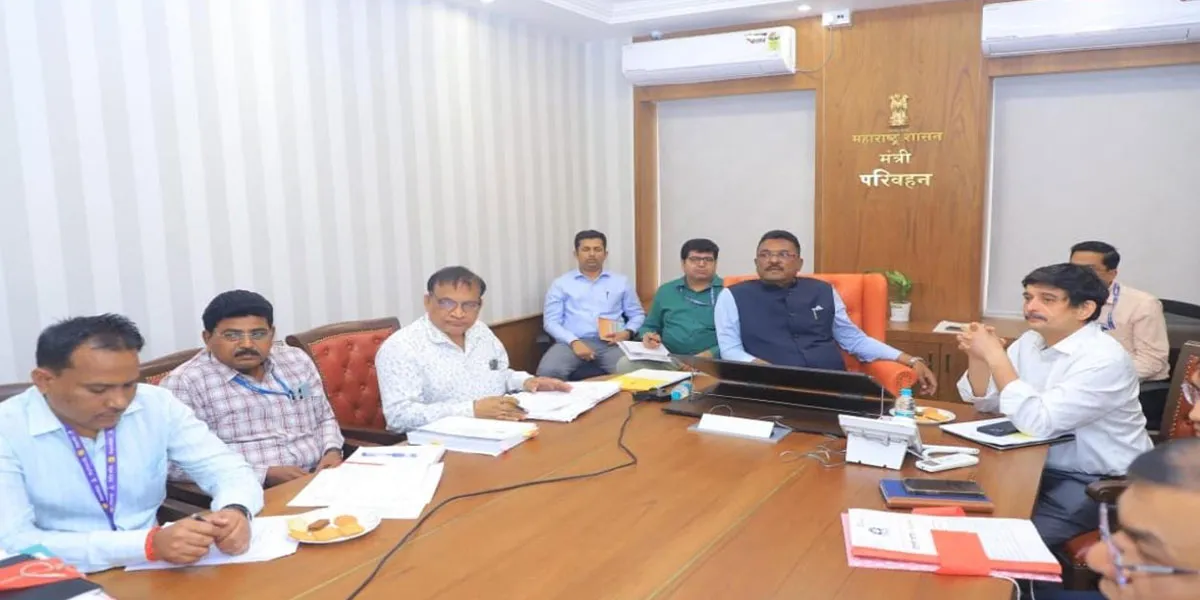
Maharashtra Transport Minister Pratap Sarnaik said the State Urban Development Department has been instructed to urgently forward the revised proposal to Deputy Chief Minister Eknath Shinde for approval. He made the remarks during a review meeting at Mantralaya attended by Additional Chief Secretary (Urban Development) Asim Kumar Gupta, Mira-Bhayandar Municipal Commissioner Radha Binod Sharma, Deputy Secretary (UD) Nirmalkumar Chaudhary, and other senior officials, corporators, citizens and architects.

Sarnaik said groups of at least five buildings—or eligible plots—will now qualify for redevelopment benefits under the cluster model as defined by the Unified Development Control and Promotion Regulations (UDCPR). He directed officials to prepare the revised proposal immediately and submit it to the Deputy Chief Minister.

A ‘mini cluster’ policy is being framed for buildings over 30 years old, unsafe and densely populated. Many residents currently face relocation challenges due to the lack of temporary accommodation. Officials noted that widening the cluster model will allow redevelopment to proceed in phases and help resolve these logistical issues.

Following the example of the Thane Municipal Corporation, buildings older than 30 years in former gram panchayat areas will also be redeveloped. Under UDCPR provisions, these structures will receive incentives based on their existing built-up area, enabling them to qualify for Floor Space Index incentives above 6 under a performance-based formula.

Sarnaik said the initiative would accelerate the redevelopment of ageing, unsafe structures and help advance the broader vision of developing a safe, sustainable and slum-free city.

Meanwhile, the State Cabinet on Tuesday approved a comprehensive policy for collective redevelopment of Maharashtra Housing and Area Development Authority (MHADA) projects covering 20 acres or more in Mumbai and its suburbs. Chief Minister Devendra Fadnavis approved the decision, which is expected to create a significant stock of affordable homes while offering residents modern amenities and improved living conditions.

According to the Chief Minister’s Office, MHADA built 56 colonies more than 60 years ago for low- and middle-income families, which now comprise around 5,000 cooperative housing societies. These old structures have deteriorated over time, prompting plans for redevelopment into modern flats equipped with lifts, spacious parking, gardens, playgrounds, gymnasiums, swimming pools and CCTV security.

Under the new policy, developers will not need unanimous consent from residents to initiate redevelopment but will require approval from housing societies. The Cabinet has also approved the formation of a committee, chaired by the Additional Chief Secretary of the Housing Department, to oversee the implementation of the redevelopment plans.

The redevelopment of old and unsafe buildings in Mira-Bhayandar is set to gather pace, with the civic body moving towards recognising groups of at least five buildings—or plots meeting specific minimum built-up criteria—as ‘mini clusters’ under the cluster redevelopment scheme. Maharashtra Transport Minister Pratap Sarnaik said the State Urban Development Department has been instructed to urgently forward the revised proposal to Deputy Chief Minister Eknath Shinde for approval. He made the remarks during a review meeting at Mantralaya attended by Additional Chief Secretary (Urban Development) Asim Kumar Gupta, Mira-Bhayandar Municipal Commissioner Radha Binod Sharma, Deputy Secretary (UD) Nirmalkumar Chaudhary, and other senior officials, corporators, citizens and architects. Sarnaik said groups of at least five buildings—or eligible plots—will now qualify for redevelopment benefits under the cluster model as defined by the Unified Development Control and Promotion Regulations (UDCPR). He directed officials to prepare the revised proposal immediately and submit it to the Deputy Chief Minister. A ‘mini cluster’ policy is being framed for buildings over 30 years old, unsafe and densely populated. Many residents currently face relocation challenges due to the lack of temporary accommodation. Officials noted that widening the cluster model will allow redevelopment to proceed in phases and help resolve these logistical issues. Following the example of the Thane Municipal Corporation, buildings older than 30 years in former gram panchayat areas will also be redeveloped. Under UDCPR provisions, these structures will receive incentives based on their existing built-up area, enabling them to qualify for Floor Space Index incentives above 6 under a performance-based formula. Sarnaik said the initiative would accelerate the redevelopment of ageing, unsafe structures and help advance the broader vision of developing a safe, sustainable and slum-free city. Meanwhile, the State Cabinet on Tuesday approved a comprehensive policy for collective redevelopment of Maharashtra Housing and Area Development Authority (MHADA) projects covering 20 acres or more in Mumbai and its suburbs. Chief Minister Devendra Fadnavis approved the decision, which is expected to create a significant stock of affordable homes while offering residents modern amenities and improved living conditions. According to the Chief Minister’s Office, MHADA built 56 colonies more than 60 years ago for low- and middle-income families, which now comprise around 5,000 cooperative housing societies. These old structures have deteriorated over time, prompting plans for redevelopment into modern flats equipped with lifts, spacious parking, gardens, playgrounds, gymnasiums, swimming pools and CCTV security. Under the new policy, developers will not need unanimous consent from residents to initiate redevelopment but will require approval from housing societies. The Cabinet has also approved the formation of a committee, chaired by the Additional Chief Secretary of the Housing Department, to oversee the implementation of the redevelopment plans.

Next Story
Real Estate

Indian real estate attracts USD 1.4 bn institutional investments in Q1 2026: Vestian

Institutional investments in India’s real estate sector touched USD 1.4 billion in Q1 2026, marking the highest first-quarter inflow since 2022, according to Vestian. While investments fell 62 per cent quarter-on-quarter due to an exceptionally high base in the previous quarter, they rose 74 per cent compared to the same period last year, reflecting sustained investor confidence despite rising geopolitical and macroeconomic challenges.Commercial real estate remained the key driver of investment activity during the quarter, accounting for 80 per cent of total inflows, sharply higher than 38 p..

Next Story
Infrastructure Transport

VECV crosses 1 lakh annual vehicle sales milestone in FY26

VE Commercial Vehicles (VECV), a joint venture between Volvo Group and Eicher Motors, has surpassed the 1 lakh annual sales mark in FY 2025–26, recording its highest-ever commercial vehicle sales performance. The company said it sold more than 100,000 vehicles during the year, marking a major milestone aligned with the original vision of the Volvo–Eicher joint venture.The strong performance was supported by demand across categories. Light and Medium Duty (LMD) trucks contributed 47,789 units, accounting for 46.1 per cent of total sales. Heavy Duty (HD) trucks recorded 26,867 units (25.9 pe..
Next Story
Technology

Rodic Digital & Advisory partners SatSure to deploy EO intelligence in public sector

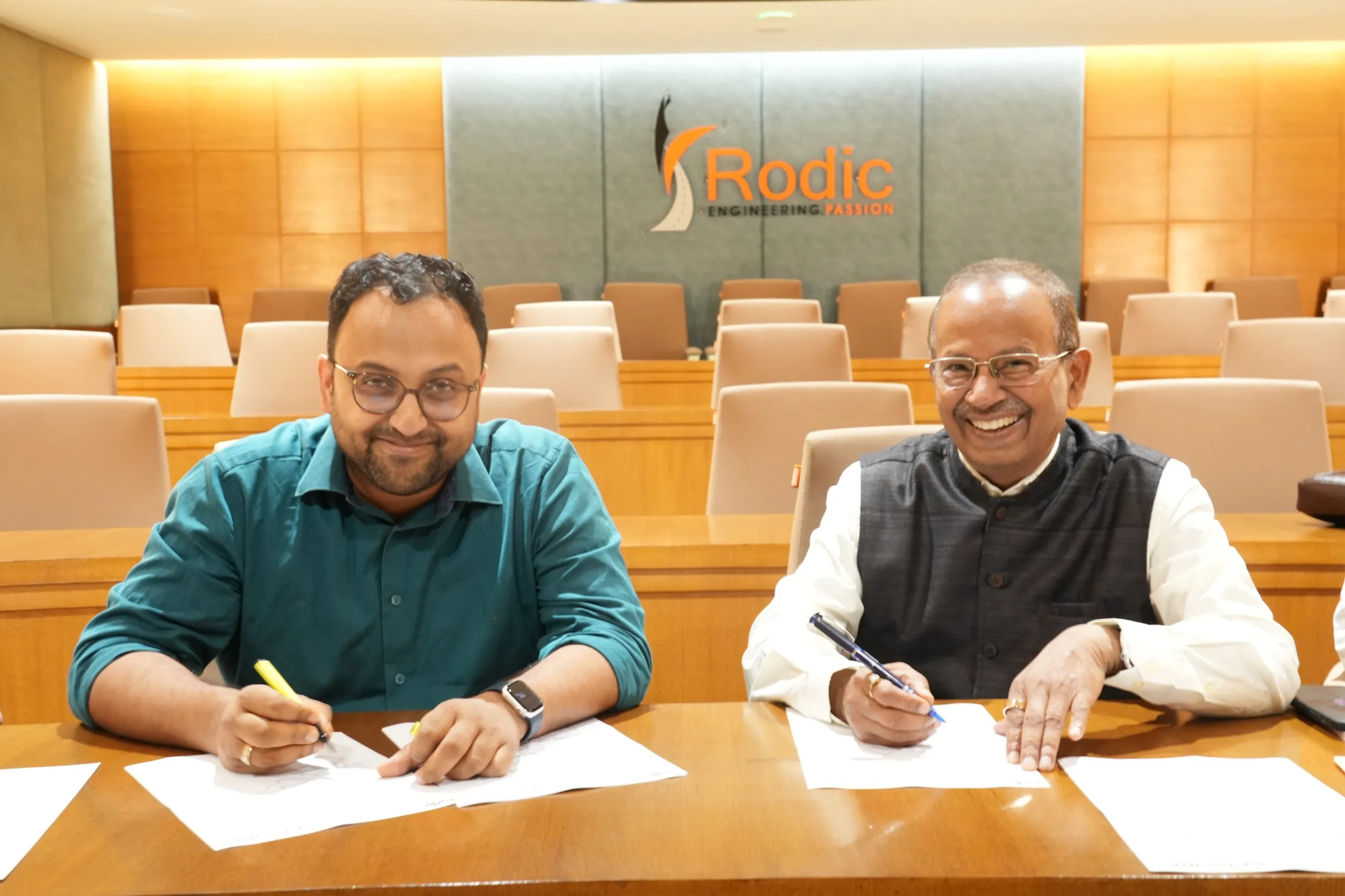
Rodic Digital & Advisory (RDA), the strategic advisory and digital transformation arm of Rodic Consultants, has signed a strategic cooperation Memorandum of Understanding (MoU) with SatSure to jointly pursue opportunities in India’s public sector. The collaboration aims to integrate high-resolution Earth Observation (EO) data and geospatial AI into government workflows to strengthen monitoring, compliance, and operational decision-making across key sectors.The partnership combines SatSure’s Earth intelligence capabilities with RDA’s expertise in government digital transformation and ..

Advertisement

Subscribe to Our Newsletter

Get daily newsletters around different themes from Construction world.

STAY CONNECTED

Advertisement

Advertisement

Advertisement