

Modi Unveils Rs 49 Billion Projects in Tamil Nadu
ECONOMY & POLICY

Modi Unveils Rs 49 Billion Projects in Tamil Nadu

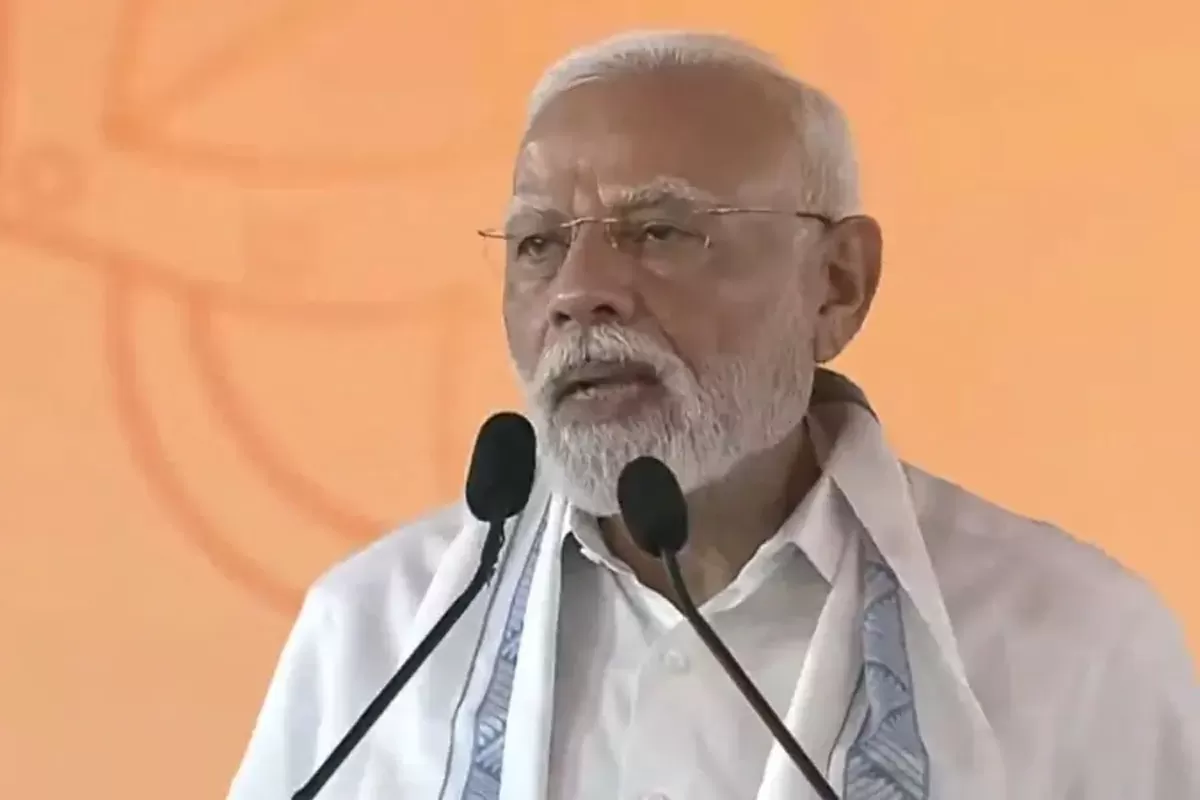
Prime Minister Narendra Modi on Saturday inaugurated, laid the foundation stone, and dedicated development projects worth over Rs 49 billion during a public event in Tuticorin, Tamil Nadu. The projects span key sectors, including airports, highways, railways, ports, and power, and aim to enhance infrastructure, connectivity, and clean energy capacity in the southern region.
A major highlight was the inauguration of the new terminal building at Tuticorin Airport, constructed at a cost of Rs 4.5 billion. Spread across 17,340 square metres, the terminal is designed to handle 1,350 passengers during peak hours and up to 2 million annually, with future capacity of 2.5 million. Featuring 100 per cent LED lighting, energy-efficient systems, and water reuse technologies, the terminal targets a GRIHA-4 sustainability rating. This facility is expected to boost tourism, trade, and regional investment.
In road infrastructure, Modi inaugurated two significant highway projects. The first involves four-laning the 50 km Sethiyathope–Cholapuram stretch of NH-36, developed at over Rs 23.5 billion. This stretch includes three bypasses, a 1-km bridge over the Kollidam River, four major bridges, seven flyovers, and multiple underpasses. It will reduce travel time by 45 minutes and improve access to Delta region hubs.
The second project, a six-lane upgrade of the 5.16 km NH-138 Tuticorin Port Road, was built at around Rs 2 billion. It includes underpasses and bridges to streamline cargo movement and support port-led industrial growth around V.O. Chidambaranar Port.
Port infrastructure saw a further boost with the inauguration of North Cargo Berth-III at the same port. Developed at a cost of Rs 2.85 billion, it has a cargo handling capacity of 6.96 million metric tonnes per annum.
In railways, Modi dedicated three projects to strengthen connectivity in southern Tamil Nadu. These include the electrification of the 90 km Madurai–Bodinayakkanur line, the Rs 6.5 billion doubling of the 21 km Nagercoil Town–Kanniyakumari section, and doubling of two more sections—Aralvaymozhi–Nagercoil Junction (12.87 km) and Tirunelveli–Melappalayam (3.6 km). These efforts will cut travel times, improve freight capacity, and promote tourism and regional economic integration.
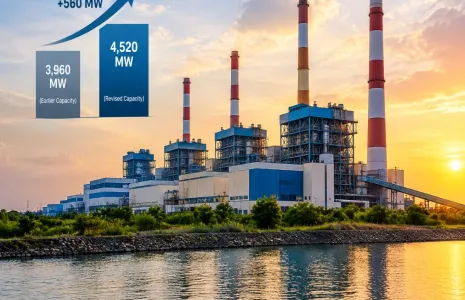
In the energy sector, the Prime Minister laid the foundation stone for a key transmission project linked to Kudankulam Nuclear Power Plant Units 3 and 4 (2x1000 MW). At a cost of approximately Rs 5.5 billion, this inter-state transmission system will feature a 400 kV double-circuit line from Kudankulam to the Tuticorin-II GIS substation. The system will strengthen the national grid, enhance clean energy distribution, and meet growing power demands in Tamil Nadu and neighbouring states.
Tamil Nadu Finance Minister Thangam Thenarasu presented the Prime Minister with a memento—a replica of Chennai’s Valluvar Kottam—during the event. Ministers P Geetha Jeevan, Kanimozhi, and senior officials were also in attendance.

Prime Minister Narendra Modi on Saturday inaugurated, laid the foundation stone, and dedicated development projects worth over Rs 49 billion during a public event in Tuticorin, Tamil Nadu. The projects span key sectors, including airports, highways, railways, ports, and power, and aim to enhance infrastructure, connectivity, and clean energy capacity in the southern region.A major highlight was the inauguration of the new terminal building at Tuticorin Airport, constructed at a cost of Rs 4.5 billion. Spread across 17,340 square metres, the terminal is designed to handle 1,350 passengers during peak hours and up to 2 million annually, with future capacity of 2.5 million. Featuring 100 per cent LED lighting, energy-efficient systems, and water reuse technologies, the terminal targets a GRIHA-4 sustainability rating. This facility is expected to boost tourism, trade, and regional investment.In road infrastructure, Modi inaugurated two significant highway projects. The first involves four-laning the 50 km Sethiyathope–Cholapuram stretch of NH-36, developed at over Rs 23.5 billion. This stretch includes three bypasses, a 1-km bridge over the Kollidam River, four major bridges, seven flyovers, and multiple underpasses. It will reduce travel time by 45 minutes and improve access to Delta region hubs.The second project, a six-lane upgrade of the 5.16 km NH-138 Tuticorin Port Road, was built at around Rs 2 billion. It includes underpasses and bridges to streamline cargo movement and support port-led industrial growth around V.O. Chidambaranar Port.Port infrastructure saw a further boost with the inauguration of North Cargo Berth-III at the same port. Developed at a cost of Rs 2.85 billion, it has a cargo handling capacity of 6.96 million metric tonnes per annum.In railways, Modi dedicated three projects to strengthen connectivity in southern Tamil Nadu. These include the electrification of the 90 km Madurai–Bodinayakkanur line, the Rs 6.5 billion doubling of the 21 km Nagercoil Town–Kanniyakumari section, and doubling of two more sections—Aralvaymozhi–Nagercoil Junction (12.87 km) and Tirunelveli–Melappalayam (3.6 km). These efforts will cut travel times, improve freight capacity, and promote tourism and regional economic integration.In the energy sector, the Prime Minister laid the foundation stone for a key transmission project linked to Kudankulam Nuclear Power Plant Units 3 and 4 (2x1000 MW). At a cost of approximately Rs 5.5 billion, this inter-state transmission system will feature a 400 kV double-circuit line from Kudankulam to the Tuticorin-II GIS substation. The system will strengthen the national grid, enhance clean energy distribution, and meet growing power demands in Tamil Nadu and neighbouring states.Tamil Nadu Finance Minister Thangam Thenarasu presented the Prime Minister with a memento—a replica of Chennai’s Valluvar Kottam—during the event. Ministers P Geetha Jeevan, Kanimozhi, and senior officials were also in attendance.

Next Story
Infrastructure Urban

Infrastructure Opportunity Outlook by IMPACCT.Info

India’s infrastructure pipeline is witnessing dynamic activity across stages — from immediate bidding to future planning. IMPACCT segments these into three categories: Immediate, 3–6 Month, and Future Opportunities, enabling businesses to identify, prepare, and participate in high-value tenders and projects across sectors.To read the full article Click Here..

Next Story
Infrastructure Transport

The Road Ahead Begins Here

The future of India’s roads took centrestage at RAHSTA Expo 2026, where policymakers, contractors and industry leaders came together under one roof. The event blended thought leadership, technology showcase and industry recognition into a single powerful platform.India’s roads and highways community gathered in full strength at the Jio World Convention Centre, Mumbai, on July 8-9, 2026, for the 16th edition of the RAHSTA Expo (Roads and Highways Sustainable Technologies & Advancement). Over two action-packed days, the event brought together policymakers, contractors, consultants, devel..

Next Story
Infrastructure Urban

Wricks® is 50 per cent stronger than conventional bricks

India’s construction boom is colliding with mounting plastic and demolition waste. Angirus is responding with Wricks®, made from recycled waste and already deployed in over 400,000 units nationwide. Kunjpreet Arora, Cofounder and CEO, explains the technology, impact and growth roadmap.With several alternative building materials available, what industry gap did Angirus identify and how does Wricks® address it?The construction industry already has alternatives such as AAC blocks, fly-ash bricks and concrete blocks but these have limitations. AAC blocks may crack due to contraction and expans..

Advertisement

Subscribe to Our Newsletter

Get daily newsletters around different themes from Construction world.

STAY CONNECTED

Advertisement

Advertisement

Advertisement