


MSMEs Need Protection Not Just Promotion
ECONOMY & POLICY

MSMEs Need Protection Not Just Promotion

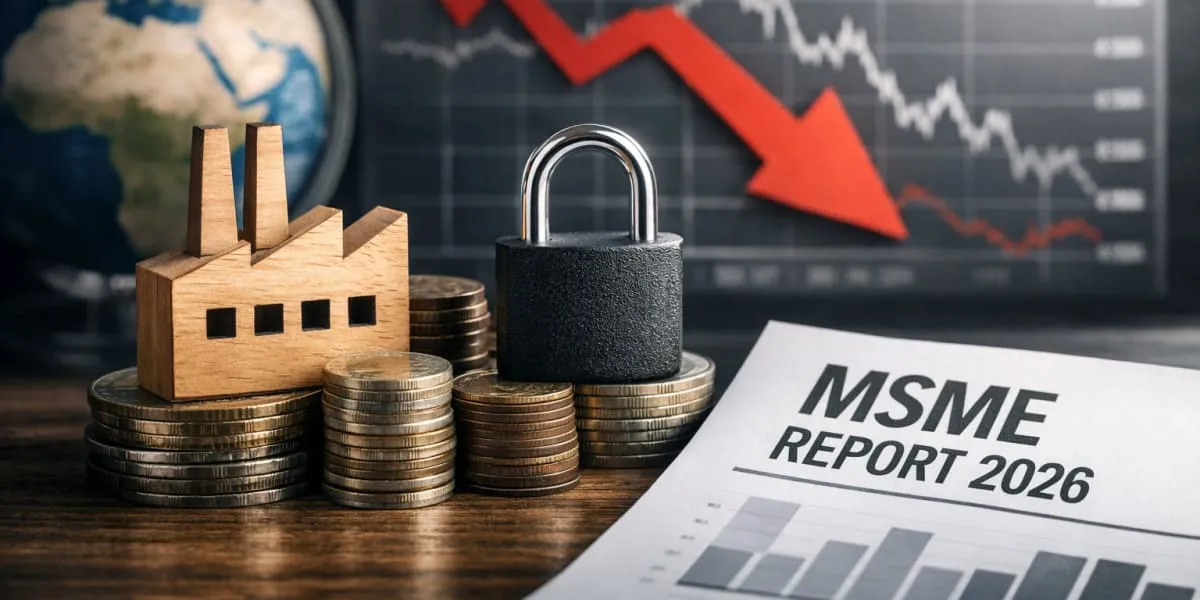
The Institute of Small Enterprises and Development (ISED) proposed a policy framework arguing that India’s micro, small and medium enterprises require protection from volatile global economic shocks rather than only promotion. The India MSME Report 2026 was released in Kochi by Mercy Epao, Joint Secretary in the Ministry of MSME. ISED said the approach would move support beyond subsidies and promotional schemes towards comprehensive de-risking.

The report centres on enterprise security, framing survival of small businesses as a fundamental economic priority comparable to National Food Security. It notes that while all firms face risks from downturns, geopolitical conflicts and health emergencies, MSMEs are disproportionately vulnerable. The institute identified structural weaknesses such as limited access to finance and technology, shrinking margins and market uncertainty that demand durable policy responses.

ISED cited the Covid-19 pandemic and tensions in West Asia as examples of asymmetric lagging vulnerability, where impact appears after a delay as costs rise, demand weakens and employment falls. The institute said traditional crisis relief, including emergency credit, tackles only immediate needs. It argued that a longer term framework is required to absorb cascading risks and prevent firm failures.

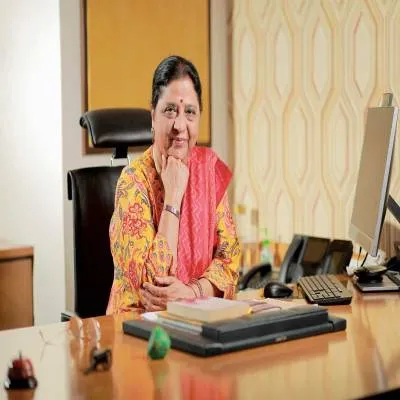
The Enterprise Security and Resilience Framework calls for coordinated action by governments, banks, insurers and promotional agencies to help entrepreneurs manage cascading risks to viability. ISED Director Dr P.M. Mathew argued that entrepreneurship is a public good and that governments must ensure access to essential public goods such as affordable credit, technology and market opportunity. The framework seeks to align financial and policy instruments to provide persistent support.

The report urged a policy shift from promotion to systematic de-risking to strengthen a sector that contributes to employment, innovation and economic growth. The Organisation for Economic Co-operation and Development (OECD) described the framework as an innovative contribution to global discussions, and a former regulator urged closer banking and insurance convergence.

"Join industry leaders at RAHSTA Expo, India's premier platform for roads, highways and traffic infrastructure. Register now to explore innovations, network with experts and shape the future of mobility."

The Institute of Small Enterprises and Development (ISED) proposed a policy framework arguing that India’s micro, small and medium enterprises require protection from volatile global economic shocks rather than only promotion. The India MSME Report 2026 was released in Kochi by Mercy Epao, Joint Secretary in the Ministry of MSME. ISED said the approach would move support beyond subsidies and promotional schemes towards comprehensive de-risking. The report centres on enterprise security, framing survival of small businesses as a fundamental economic priority comparable to National Food Security. It notes that while all firms face risks from downturns, geopolitical conflicts and health emergencies, MSMEs are disproportionately vulnerable. The institute identified structural weaknesses such as limited access to finance and technology, shrinking margins and market uncertainty that demand durable policy responses. ISED cited the Covid-19 pandemic and tensions in West Asia as examples of asymmetric lagging vulnerability, where impact appears after a delay as costs rise, demand weakens and employment falls. The institute said traditional crisis relief, including emergency credit, tackles only immediate needs. It argued that a longer term framework is required to absorb cascading risks and prevent firm failures. The Enterprise Security and Resilience Framework calls for coordinated action by governments, banks, insurers and promotional agencies to help entrepreneurs manage cascading risks to viability. ISED Director Dr P.M. Mathew argued that entrepreneurship is a public good and that governments must ensure access to essential public goods such as affordable credit, technology and market opportunity. The framework seeks to align financial and policy instruments to provide persistent support. The report urged a policy shift from promotion to systematic de-risking to strengthen a sector that contributes to employment, innovation and economic growth. The Organisation for Economic Co-operation and Development (OECD) described the framework as an innovative contribution to global discussions, and a former regulator urged closer banking and insurance convergence.

Next Story
Infrastructure Transport

Third Railway Line Between Tatanagar And Adityapur Likely By September

The third railway line between Tatanagar and Adityapur is expected to be commissioned by September as work on the corridor advances, according to railway sources. The project to add a fourth line on the busy route is progressing and has been allocated Rs 50.89 billion (bn) in funding. The allocation underscores the focus on increasing capacity and easing congestion on the corridor. Relevant timetables are being adjusted to integrate the new capacity into regular operations. Construction activity has involved track laying, formation work and signalling upgrades along strategic stretches, with m..

Next Story
Infrastructure Transport

Indian Railways Approves Rs 2.7 bn Kavach Rollout in Odisha

Indian Railways has approved a Rs 2.7 billion (Rs 2.7 bn) plan to install the Kavach train collision avoidance system on 631 route kilometres in the East Coast Railway zone. The Ministry of Railways said the work will form part of a wider Kavach deployment programme that relies on an LTE based communication backbone rather than a standalone installation. The approval marks the latest stage in the steady expansion of the indigenous safety technology across the national network. The decision aims to enhance safety and reliability on corridors serving Odisha and adjoining areas. The project will ..

Next Story
Infrastructure Transport

Indian Railways Accelerates Modernisation Drive

Indian Railways utilised nearly 30 per cent of its capital expenditure budget for FY2026-27 within the first two months of the financial year, spending more than Rs 840 billion (bn) in April and May against a planned outlay of Rs 2.93 trillion (tn) for the year. The Union Budget allocated Rs 2.93 tn in total capex, comprising Rs 2.81 tn through gross budgetary support and Rs 120 bn from extra-budgetary resources. The early absorption indicates robust project execution and an aggressive infrastructure push. A significant share of the spending is being channelled towards track infrastructure, in..

Advertisement

Subscribe to Our Newsletter

Get daily newsletters around different themes from Construction world.

STAY CONNECTED

Advertisement

Advertisement

Advertisement