Naik: Safeguarding L&T's identity was my greatest achievement
ECONOMY & POLICY

Naik: Safeguarding L&T's identity was my greatest achievement

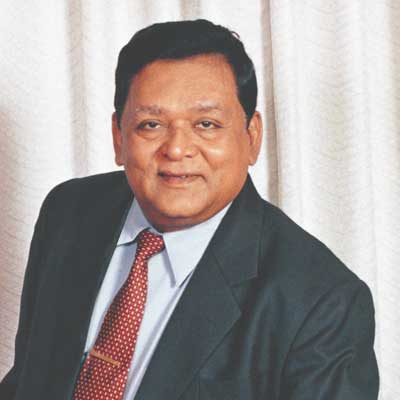
AM Naik, the outgoing Chairman of L&T, spoke about what he considered his "single biggest, most vital contribution" to his company. Naik was addressing a ceremony where he handed over the baton, which was L&T's flag, to the incoming Chairman, SN Subrahmanyam. Reflecting on his 20-year tenure as Chairman, Naik stated that his most significant contribution to the company had been "protecting the identity of L&T."

He mentioned that they had faced a takeover threat from one of the largest industrial conglomerates in the country. Naik added that Mahatma Gandhi had stayed in their house in Delhi, hinting at the close connections of four generations of the industrial conglomerate.

Without explicitly naming the industrial house, he was referring to Birla, specifically Kumara Mangalam Birla. He explained that his skillful actions had thwarted the takeover attempt, even though the industrial house had managed to acquire what it desired, which was the cement business. Naik emphasised that if they had succeeded in taking over L&T, L&T would not exist today. His remarks garnered enthusiastic applause from the audience.

AM Naik, the outgoing Chairman of L&T, spoke about what he considered his single biggest, most vital contribution to his company. Naik was addressing a ceremony where he handed over the baton, which was L&T's flag, to the incoming Chairman, SN Subrahmanyam. Reflecting on his 20-year tenure as Chairman, Naik stated that his most significant contribution to the company had been protecting the identity of L&T. He mentioned that they had faced a takeover threat from one of the largest industrial conglomerates in the country. Naik added that Mahatma Gandhi had stayed in their house in Delhi, hinting at the close connections of four generations of the industrial conglomerate. Without explicitly naming the industrial house, he was referring to Birla, specifically Kumara Mangalam Birla. He explained that his skillful actions had thwarted the takeover attempt, even though the industrial house had managed to acquire what it desired, which was the cement business. Naik emphasised that if they had succeeded in taking over L&T, L&T would not exist today. His remarks garnered enthusiastic applause from the audience.

Next Story
Infrastructure Urban

Centre Clears Power Distribution Upgrade for Uttar Pradesh

The Central Government has approved power distribution projects worth Rs 407.39 billion for Uttar Pradesh under the Revamped Distribution Sector Scheme (RDSS). The investment will be used to modernise the state's electricity distribution infrastructure and strengthen network capacity across urban and rural areas. The package targets one of the country's largest distribution networks as the state experiences rapid urbanisation and rising electricity consumption. Planned interventions include the strengthening of distribution lines, modernisation of substations, replacement of ageing electrical ..

Next Story
Infrastructure Energy

India Data Centres To Consume 191 TWh By 2040 Driving Renewables

A Wood Mackenzie report says India's operational data centre capacity is projected to increase more than fivefold to 12 gigawatt (GW) by 2030 from 2.2 GW in 2025 as artificial intelligence (AI) and cloud computing drive demand. It projects electricity consumption to rise from 10 terawatt-hour (TWh) in 2025 to 191 TWh by 2040. The study forecasts a compound annual growth rate of around 40 per cent and notes AI-dedicated capacity will surge nearly 24-fold from 275 megawatt (MW) in 2025 to 6,546 MW by 2030. The report places India's digital economy at Rs 32 trillion (tn) in 2025 and says it contr..

Next Story
Infrastructure Transport

Hydrogen Train Completes 1,200 Kilometres Of Trials

India's first hydrogen train was flagged off between Jind and Sonipat on July 17 and has travelled over 1,200 kilometres in trials, saving diesel consumption of more than 3,200 litres, a Railway Ministry press release said. The deployment marks the introduction of a zero-emission fuel cell train into route testing and represents a milestone in domestic rail innovation. The train generates electricity onboard through a chemical reaction between hydrogen and oxygen, producing electricity to propel the vehicle while emitting only water vapour as a by-product. There is no smoke and no tailpipe car..

Advertisement

Subscribe to Our Newsletter

Get daily newsletters around different themes from Construction world.

STAY CONNECTED

Advertisement

Advertisement

Advertisement