NCLT approves Tata Steel's merger with Indian Steel & Wire Products
ECONOMY & POLICY

NCLT approves Tata Steel's merger with Indian Steel & Wire Products

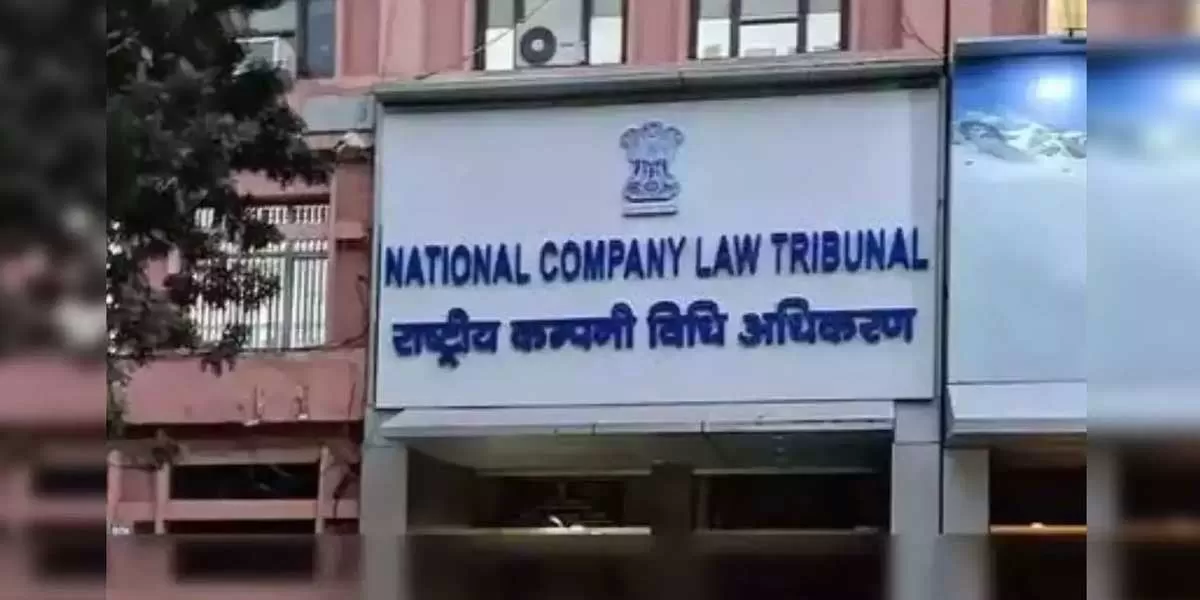
The National Company Law Tribunal (NCLT) has approved the merger of Tata Group-owned Indian Steel & Wire Products Ltd with Tata Steel Ltd. The decision, made by the division bench of Justices KR Saji Kumar and Sanjiv Dutt, found the merger to be fair, reasonable, and compliant with legal requirements, and not contrary to public interest. Before the tribunal's decision, Tata Steel presented its case through senior advocate Zal Andhyarujina and the law firm Argus Partners. They argued that the merger would create a more robust entity under the Tata Steel brand, enhancing shareholder value through a streamlined "One-Tata Steel" approach.

The company emphasised that the merger would simplify the group's structure by consolidating Indian Steel & Wire Products into Tata Steel, which is expected to drive focused growth, operational efficiencies, and stronger business synergies. The new structure is also anticipated to increase the agility of Tata Steel's operations. The Tata Group initiated this consolidation process in 2022, aiming to merge its metal and resource subsidiaries into a single entity. This includes three listed companies "Tata Metaliks Ltd, Tata Steel Long Products Ltd, and The Tinplate Company of India Ltd" and three unlisted entities  Indian Steel & Wire Products Ltd, Tata Steel Mining Ltd, and S & T Mining Company Ltd.

The merger aligns with the group's 5S strategy simplification, synergy, scale, sustainability, and speed by reducing administrative complexities and costs associated with maintaining separate entities.

(ET)

The National Company Law Tribunal (NCLT) has approved the merger of Tata Group-owned Indian Steel & Wire Products Ltd with Tata Steel Ltd. The decision, made by the division bench of Justices KR Saji Kumar and Sanjiv Dutt, found the merger to be fair, reasonable, and compliant with legal requirements, and not contrary to public interest. Before the tribunal's decision, Tata Steel presented its case through senior advocate Zal Andhyarujina and the law firm Argus Partners. They argued that the merger would create a more robust entity under the Tata Steel brand, enhancing shareholder value through a streamlined One-Tata Steel approach. The company emphasised that the merger would simplify the group's structure by consolidating Indian Steel & Wire Products into Tata Steel, which is expected to drive focused growth, operational efficiencies, and stronger business synergies. The new structure is also anticipated to increase the agility of Tata Steel's operations. The Tata Group initiated this consolidation process in 2022, aiming to merge its metal and resource subsidiaries into a single entity. This includes three listed companies Tata Metaliks Ltd, Tata Steel Long Products Ltd, and The Tinplate Company of India Ltd and three unlisted entities  Indian Steel & Wire Products Ltd, Tata Steel Mining Ltd, and S & T Mining Company Ltd. The merger aligns with the group's 5S strategy simplification, synergy, scale, sustainability, and speed by reducing administrative complexities and costs associated with maintaining separate entities. (ET)

Next Story
Infrastructure Urban

Implementation Status of Jal Jeevan Mission

Since August 2019 the Government has implemented Jal Jeevan Mission to provide assured potable water through household tap connections in rural India. At the start of the mission only 32.3 million (mn) rural households, representing 16.7 per cent, were reported to have tap water connections. States and union territories have reported that 125.8 mn additional rural households have since been provided with tap connections. As a result, of about 193.6 mn rural households roughly 158.2 mn, or 81.71 per cent, are reported to have tap water supply at home.\n\nThe State, district and village level st..

Next Story
Infrastructure Urban

Jal Jeevan Mission Reaches Eighty One Per Cent Rural Coverage

The Government reported substantial progress under the Jal Jeevan Mission, launched in August 2019 to provide tap water to every rural household. At launch only 32.3 million (mn) rural households had tap connections and states and Union territories reported provision of 125.8 mn additional households by March 2026. Consequently, out of about 193.6 mn rural households around 158.2 mn, or 81.71 per cent, are reported to have tap water at home. The Finance Minister announced extension of the mission until 2028 in the 2025-26 budget speech. The Swachh Bharat Mission Grameen, launched in October 20..

Next Story
Infrastructure Urban

Empowering Local Governance for Sustainable Rural Water Supply

The Ministry of Jal Shakti has aligned the Jal Jeevan Mission (JJM) with the 73rd Amendment to strengthen village level planning and community ownership of water supply. Gram Panchayats, village water and sanitation committees and Pani Samitis are to plan, implement, manage and maintain piped water systems, with gram sabha processes formalising handover and oversight. Implementation support agencies including non government organisations, community based organisations and self help groups have been empanelled to train local committees and promote women participation. Under JJM, the department ..

Advertisement

Subscribe to Our Newsletter

Get daily newsletters around different themes from Construction world.

STAY CONNECTED

Advertisement

Advertisement

Advertisement