New gold mines found in Odisha, MP and Andhra boost India’s reserves
ECONOMY & POLICY

New gold mines found in Odisha, MP and Andhra boost India’s reserves

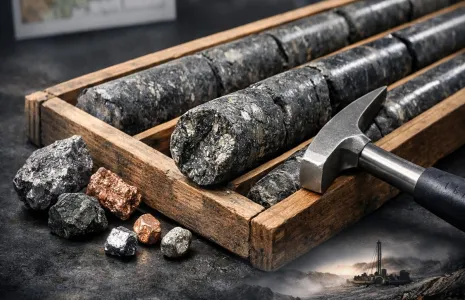
India has discovered new gold deposits across Odisha, Madhya Pradesh, and Andhra Pradesh in 2025, according to an SBI Research report titled “Coming of (a Turbulent) Age: The Great Global Gold Rush.”

In Odisha, fresh gold reserves were found in the Deogarh, Keonjhar, and Mayurbhanj districts, where the Geological Survey of India (GSI) has estimated 1,685 kg of gold ore. In Madhya Pradesh, deposits discovered in Jabalpur are estimated to run into hundreds of thousands of tonnes, while in Kurnool district, Andhra Pradesh, India’s first large private gold mine is expected to yield 750 kg of gold annually.

The report noted that these discoveries could reduce dependence on imports and improve India’s current account balance, as the country is among the world’s largest gold markets. Indian households collectively hold over 25,000 tonnes of physical gold, far surpassing the Reserve Bank of India’s (RBI) official reserves.

India’s gold demand and imports

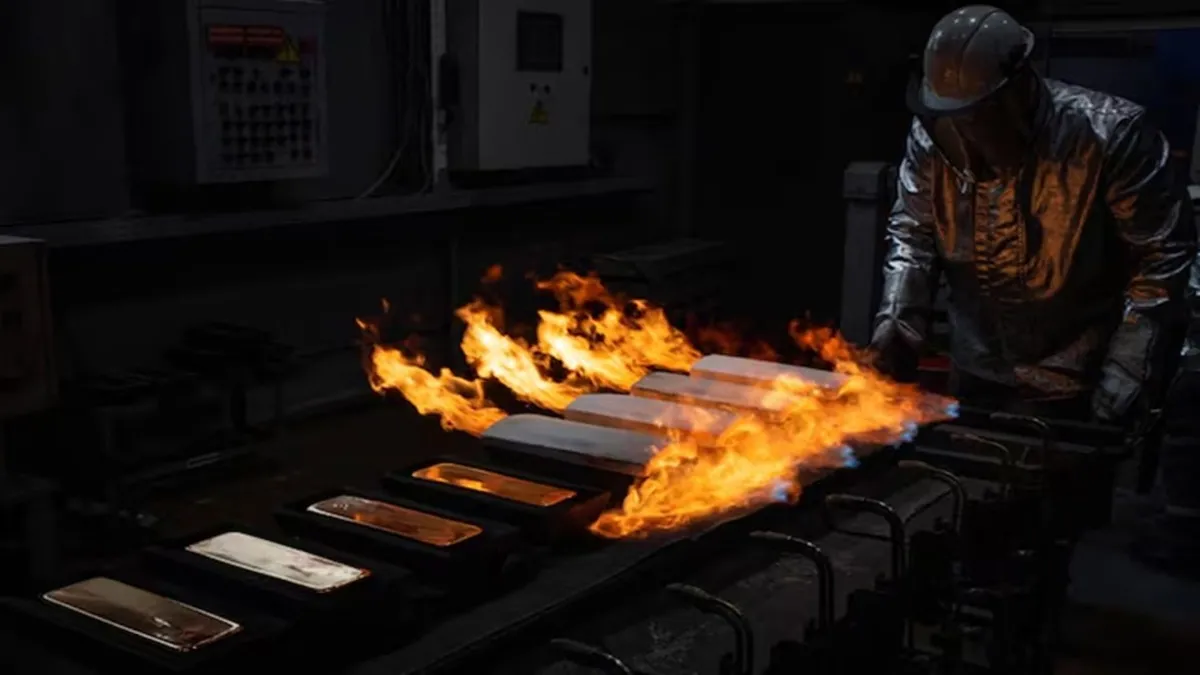
Despite its strong cultural and consumer affinity for gold, India’s domestic output remains minimal. According to the World Gold Council, imports contributed around 86 per cent of India’s total gold supply in 2024.

The country’s gold demand in 2024 stood at over 800 tonnes, which was largely met through imports. Revised figures from the Ministry of Commerce show imports rising from 724 tonnes to 812 tonnes, owing to updated data between July and October 2024.

India accounted for 26 per cent of global gold demand in 2024, ranking second only to China, which recorded 815.4 tonnes of consumer demand.

Global trends and rising prices

Central banks worldwide, including the RBI, have significantly increased gold reserves since 2022. The RBI’s holdings now stand at around 880 tonnes in 2025.

Gold prices have surged over 50 per cent year-to-date, reaching $4,077 per ounce, while in India, prices hover around Rs 1,22,700 per 10 grams. The sharp rise has led to a 16 per cent year-on-year decline in jewellery demand during Q3 2025.

Economic outlook

The report added that if gold prices remain near $4,000 per ounce and import volumes reach 90 per cent of last year’s levels, India’s current account deficit (CAD) could rise by up to 0.3 per cent of GDP. However, overall CAD is expected to remain comfortable at around 1–1.1 per cent of GDP in FY26.

SBI Research concluded that the new gold mine discoveries mark a strategic development for India’s resource base and could lessen import dependency in the long term, bolstering both macroeconomic stability and self-reliance in precious metals.                                                                                                                                              

India has discovered new gold deposits across Odisha, Madhya Pradesh, and Andhra Pradesh in 2025, according to an SBI Research report titled “Coming of (a Turbulent) Age: The Great Global Gold Rush.”In Odisha, fresh gold reserves were found in the Deogarh, Keonjhar, and Mayurbhanj districts, where the Geological Survey of India (GSI) has estimated 1,685 kg of gold ore. In Madhya Pradesh, deposits discovered in Jabalpur are estimated to run into hundreds of thousands of tonnes, while in Kurnool district, Andhra Pradesh, India’s first large private gold mine is expected to yield 750 kg of gold annually.The report noted that these discoveries could reduce dependence on imports and improve India’s current account balance, as the country is among the world’s largest gold markets. Indian households collectively hold over 25,000 tonnes of physical gold, far surpassing the Reserve Bank of India’s (RBI) official reserves.India’s gold demand and importsDespite its strong cultural and consumer affinity for gold, India’s domestic output remains minimal. According to the World Gold Council, imports contributed around 86 per cent of India’s total gold supply in 2024.The country’s gold demand in 2024 stood at over 800 tonnes, which was largely met through imports. Revised figures from the Ministry of Commerce show imports rising from 724 tonnes to 812 tonnes, owing to updated data between July and October 2024.India accounted for 26 per cent of global gold demand in 2024, ranking second only to China, which recorded 815.4 tonnes of consumer demand.Global trends and rising pricesCentral banks worldwide, including the RBI, have significantly increased gold reserves since 2022. The RBI’s holdings now stand at around 880 tonnes in 2025.Gold prices have surged over 50 per cent year-to-date, reaching $4,077 per ounce, while in India, prices hover around Rs 1,22,700 per 10 grams. The sharp rise has led to a 16 per cent year-on-year decline in jewellery demand during Q3 2025.Economic outlookThe report added that if gold prices remain near $4,000 per ounce and import volumes reach 90 per cent of last year’s levels, India’s current account deficit (CAD) could rise by up to 0.3 per cent of GDP. However, overall CAD is expected to remain comfortable at around 1–1.1 per cent of GDP in FY26.SBI Research concluded that the new gold mine discoveries mark a strategic development for India’s resource base and could lessen import dependency in the long term, bolstering both macroeconomic stability and self-reliance in precious metals.                                                                                                                                              

Next Story
Real Estate

RBI Rate Cut Boosts Confidence Across Housing Market

Industry Context and Market DynamicsThe real estate industry has welcomed the RBI’s rate cut as a timely boost to affordability and demand. With home prices having risen steadily across major markets, even a marginal reduction in interest rates meaningfully strengthens purchasing power, especially for first-time and mid-income buyers.Ashish Jerath, President – Sales & Marketing, Smartworld Developers, observes:“The RBI’s 25-basis-point cut, bringing the repo rate down to 5.25%, is a timely boost for the real estate sector. Lower interest rates reduce borrowing costs, enabling homeb..

Next Story
Infrastructure Transport

BMC Resumes Rs 170 Billion Road Works, Targets 80 per cent By Jan 2026

Following the withdrawal of the southwest monsoon in October, the Brihanmumbai Municipal Corporation (BMC) has restarted work on 645 roads—covering 297.49 kilometres—under its large-scale concretisation programme. Data shows that more than 60 per cent of the resumed works are located in the western suburbs. Officials said the civic body aims to complete concretisation on 80 per cent of the roads where fresh work has begun by January 2026. Launched in 2022, the Rs 170 billion project seeks to concretise 700 kilometres of roads across Mumbai. All civil works were halted during the monsoon ..

Next Story
Infrastructure Urban

India Pushes Digital Shift In Urban Land Mapping

The Department of Land Resources (DoLR) under the Ministry of Rural Development has convened a National Symposium on NAKSHA – the National Geospatial Knowledge-based Land Survey of Urban Habitations – to advance India’s transition to modern, technology-driven land mapping. Speaking at the inaugural session, Secretary Manoj Joshi underscored the urgent need to move revenue departments away from outdated, tape-based methods and rough hand-drawn sketches. He stressed that adopting latitude–longitude-based digital mapping and GIS-linked registration systems is essential for economic stabi..

Advertisement

Subscribe to Our Newsletter

Get daily newsletters around different themes from Construction world.

STAY CONNECTED

Advertisement

Advertisement

Advertisement

Advertisement

Open In App