


NGT Halts Chennai Beach Project
ECONOMY & POLICY

NGT Halts Chennai Beach Project

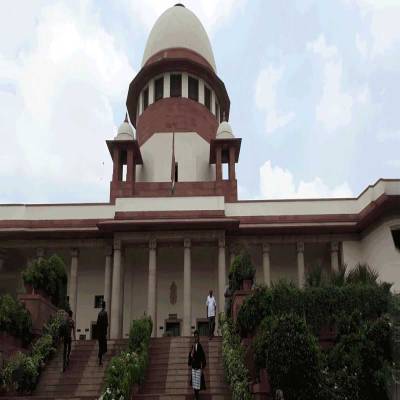
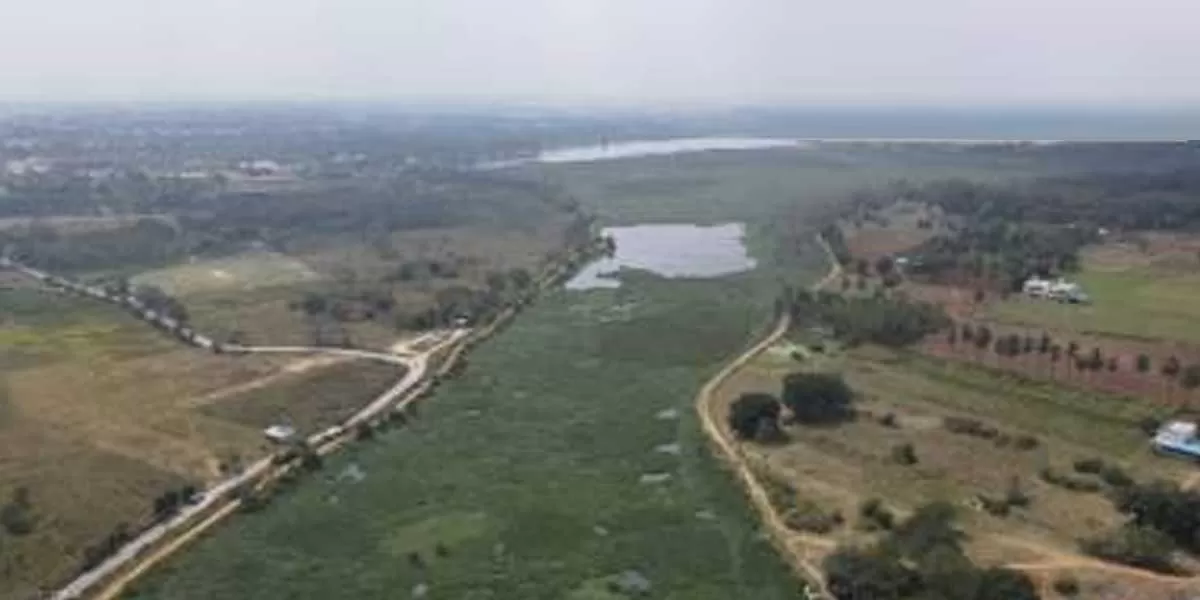
The National Green Tribunal (NGT) has recently put a stop to a major beach development project in Chennai, valued at 100 crores, due to environmental concerns. This decision underscores the NGT's commitment to preserving ecological balance while assessing urban development plans. The halted project was intended to enhance the coastal infrastructure and boost tourism but faced opposition due to potential adverse effects on the local ecosystem and community.

The NGT's intervention came after public interest litigations raised issues regarding the environmental impact assessments associated with the project. Concerns were particularly pointed towards the disruption of natural habitats and the alteration of coastal dynamics, which could have far-reaching consequences for biodiversity and the livelihoods of communities dependent on these ecosystems. The tribunal's ruling highlights the growing scrutiny of development projects that may compromise environmental sustainability.

This decision aligns with other actions taken by the NGT, including the recent directives to halt construction activities by Chennai Metro Rail Limited along the Nanmangalam Reserve Forest area, reflecting a broader enforcement of environmental laws in urban development projects across the region. The NGT has been pivotal in ensuring that development projects comply with environmental standards to foster sustainable growth.

The halt of the Chennai beach development project serves as a critical reminder of the need for a balanced approach to urban planning. It emphasizes the importance of incorporating sustainable practices and rigorous environmental impact assessments before initiating significant infrastructural projects. This approach not only protects the environment but also ensures the long-term viability and acceptance of development projects within local communities.

The National Green Tribunal (NGT) has recently put a stop to a major beach development project in Chennai, valued at 100 crores, due to environmental concerns. This decision underscores the NGT's commitment to preserving ecological balance while assessing urban development plans. The halted project was intended to enhance the coastal infrastructure and boost tourism but faced opposition due to potential adverse effects on the local ecosystem and community. The NGT's intervention came after public interest litigations raised issues regarding the environmental impact assessments associated with the project. Concerns were particularly pointed towards the disruption of natural habitats and the alteration of coastal dynamics, which could have far-reaching consequences for biodiversity and the livelihoods of communities dependent on these ecosystems. The tribunal's ruling highlights the growing scrutiny of development projects that may compromise environmental sustainability. This decision aligns with other actions taken by the NGT, including the recent directives to halt construction activities by Chennai Metro Rail Limited along the Nanmangalam Reserve Forest area, reflecting a broader enforcement of environmental laws in urban development projects across the region. The NGT has been pivotal in ensuring that development projects comply with environmental standards to foster sustainable growth. The halt of the Chennai beach development project serves as a critical reminder of the need for a balanced approach to urban planning. It emphasizes the importance of incorporating sustainable practices and rigorous environmental impact assessments before initiating significant infrastructural projects. This approach not only protects the environment but also ensures the long-term viability and acceptance of development projects within local communities.

Next Story
Infrastructure Urban

ISRO’s IMAT Success Boosts Readiness for Maiden Gaganyaan Mission

Union Minister of State for Science and Technology Dr Jitendra Singh informed Parliament that ISRO has achieved a key milestone in its preparations for India’s first human space mission with the successful completion of the Integrated Main Parachute Airdrop Test (IMAT). He said in the Lok Sabha that the test forms a central part of the qualification campaign for the Crew Module’s parachute-based deceleration system, one of the most vital elements in human-rating the mission.According to Dr. Jitendra Singh, the IMAT recreated one of the most demanding descent conditions by intentionally del..

Next Story
Infrastructure Urban

Gyanesh Kumar Takes Charge as Chair of International IDEA Council

Chief Election Commissioner of India Gyanesh Kumar has assumed the Chairship of the Council of Member States of the International Institute for Democracy and Electoral Assistance for 2026. The ceremony in Stockholm was also attended by India’s Ambassador to Sweden, Anurag Bhushan. India, a founding member of International IDEA, has long contributed to the organisation’s governance and global democratic dialogue, and the new Chairship signals broad recognition of the Election Commission of India as a trusted and innovative election management institution.During his visit, Kumar held discuss..

Next Story
Infrastructure Energy

Coal Mines Boost Local Growth and Support India’s Energy Self-reliance

The Magadh and Amrapali coal mines in Jharkhand are playing a pivotal role in strengthening India’s energy security, contributing nearly half of Central Coalfields Limited’s total coal production in 2024–25. Both mines support the broader goal of ensuring steady coal availability for the power sector under the vision of Aatmanirbhar Bharat. Magadh has estimated mineable reserves of 854.91 million tonnes, while Amrapali holds 456.34 million tonne. For FY 2025–26, the two are expected to generate net sales revenues of Rs 28.12 billion and Rs 23.67 billion respectively. Local development ..

Advertisement

Subscribe to Our Newsletter

Get daily newsletters around different themes from Construction world.

STAY CONNECTED

Advertisement

Advertisement

Advertisement

Advertisement

Get CW App