NHAI Launches Barrier-Free Tolling at Paranur in Tamil Nadu
ECONOMY & POLICY

NHAI Launches Barrier-Free Tolling at Paranur in Tamil Nadu

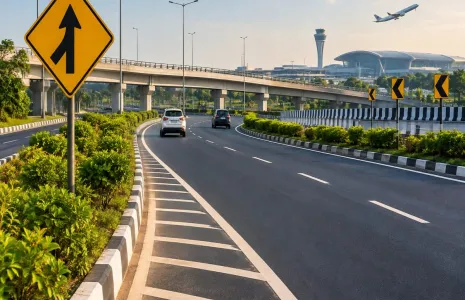
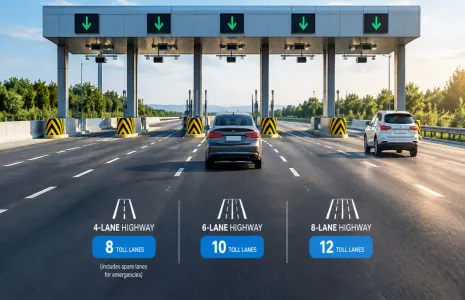
The National Highways Authority of India (NHAI) has launched Tamil Nadu’s first barrier-free tolling system at Paranur on NH-179B, allowing vehicles to pay through FASTag and camera-based identification without stopping at a toll plaza. The system became operational on 30 September, according to a release issued by the Ministry of Road Transport and Highways on 1 October.

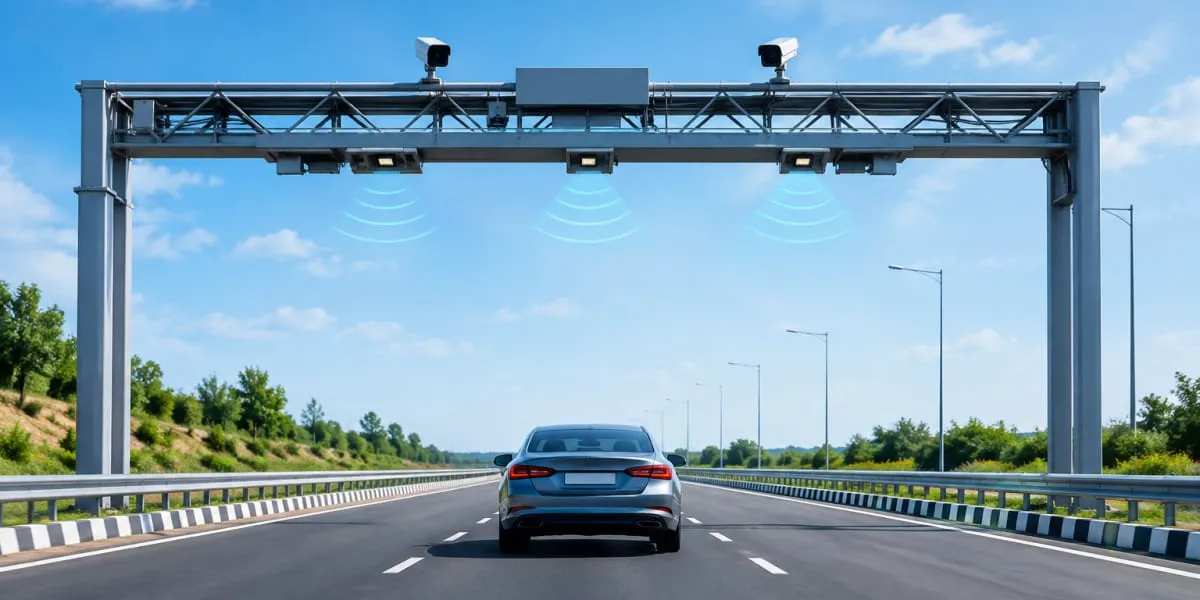
The technology, known as multi-lane free flow (MLFF), removes toll booths and barriers across the plaza. FASTags fitted to windscreens are read as vehicles pass through, while cameras capture number plates and match them with the relevant vehicle before the toll is deducted from the FASTag balance.

NHAI said the system is intended to reduce journey times, fuel consumption and vehicle emissions by removing repeated stopping and starting. It also reduces manual handling, which the authority said can improve transparency and lower the cost of operating toll facilities compared with conventional physical plazas.

Drivers must maintain a valid FASTag with sufficient balance to avoid electronic notices or payment-related action. Paranur is part of NHAI’s phased expansion of MLFF, which is already operational at Chorayasi plaza on the Surat-Bharuch section of NH-48 in Gujarat and at Mundka-Bakkarwala plaza on Delhi’s Urban Extension Road-II.

The system also operates at Shahjahanpur, Daulatpura and Manoharpura plazas on the Delhi-Jaipur section of NH-48 in Rajasthan, as well as at Gharaunda plaza on the Panipat-Jalandhar section of NH-44 in Haryana. NHAI said these deployments have supported more transparent and efficient toll operations.

With Paranur, Tamil Nadu joins the list of locations using MLFF as the government seeks to facilitate travel and business through technology. The release did not specify the next locations for rollout or provide a timeline for further expansion.

The National Highways Authority of India (NHAI) has launched Tamil Nadu’s first barrier-free tolling system at Paranur on NH-179B, allowing vehicles to pay through FASTag and camera-based identification without stopping at a toll plaza. The system became operational on 30 September, according to a release issued by the Ministry of Road Transport and Highways on 1 October. The technology, known as multi-lane free flow (MLFF), removes toll booths and barriers across the plaza. FASTags fitted to windscreens are read as vehicles pass through, while cameras capture number plates and match them with the relevant vehicle before the toll is deducted from the FASTag balance. NHAI said the system is intended to reduce journey times, fuel consumption and vehicle emissions by removing repeated stopping and starting. It also reduces manual handling, which the authority said can improve transparency and lower the cost of operating toll facilities compared with conventional physical plazas. Drivers must maintain a valid FASTag with sufficient balance to avoid electronic notices or payment-related action. Paranur is part of NHAI’s phased expansion of MLFF, which is already operational at Chorayasi plaza on the Surat-Bharuch section of NH-48 in Gujarat and at Mundka-Bakkarwala plaza on Delhi’s Urban Extension Road-II. The system also operates at Shahjahanpur, Daulatpura and Manoharpura plazas on the Delhi-Jaipur section of NH-48 in Rajasthan, as well as at Gharaunda plaza on the Panipat-Jalandhar section of NH-44 in Haryana. NHAI said these deployments have supported more transparent and efficient toll operations. With Paranur, Tamil Nadu joins the list of locations using MLFF as the government seeks to facilitate travel and business through technology. The release did not specify the next locations for rollout or provide a timeline for further expansion.

Related Stories

Gold Stories
Next Story
Resources

Kalpataru Projects International elevates Amit Uplenchwar as Joint MD and CEO

Kalpataru Projects International (KPIL) has elevated Amit Uplenchwar as Joint Managing Director and CEO (designate), following approval by its board on 5 November 2026. He will take charge as Additional Director, Joint Managing Director and CEO from 1 January 2027 for a five-year term ending 31 December 2031, subject to shareholders' approval.Uplenchwar brings over three decades of experience in corporate strategy, business operations, business development, mergers and acquisitions, and international business management. His experience spans transportation, power, water, oil and gas, aerospace..
Next Story
Resources

HCC appoints Vivek Singhal as CEO

Hindustan Construction Company (HCC) has appointed Vivek Singhal as Chief Executive Officer, effective 5 November 2026. He brings over four decades of experience in infrastructure and engineering, procurement and construction (EPC), covering project execution, business leadership, business development and profit and loss management.Singhal has spent 16 years in international markets, delivering projects and managing assets worth approximately Rs 285 billion across five countries. His experience spans airports, metro rail, urban transport, hydropower, bridges and other infrastructure sectors.He..

Next Story
Infrastructure Energy

Essar Signs PPA for 300 MW Hybrid Renewable Energy Project

Essar Renewables, the renewable energy arm of Essar Power, has signed a Power Purchase Agreement (PPA) with NHPC for a 300 MW renewable energy project in Andhra Pradesh. The agreement follows the company’s successful bid for the project two years ago. Essar Power will invest approximately Rs. 45 bn in the development. The project will combine solar and wind generation with Battery Energy Storage Systems (BESS), enabling the supply of reliable and dispatchable renewable power. It forms part of Essar Power’s plan to build a diversified energy portfolio of approximately 5 GW across renewable,..

Advertisement

Subscribe to Our Newsletter

Get daily newsletters around different themes from Construction world.

STAY CONNECTED

Advertisement

SPECIAL OFFER
QR Code