


Now universal enterprise IDs for small firms
ECONOMY & POLICY

Now universal enterprise IDs for small firms

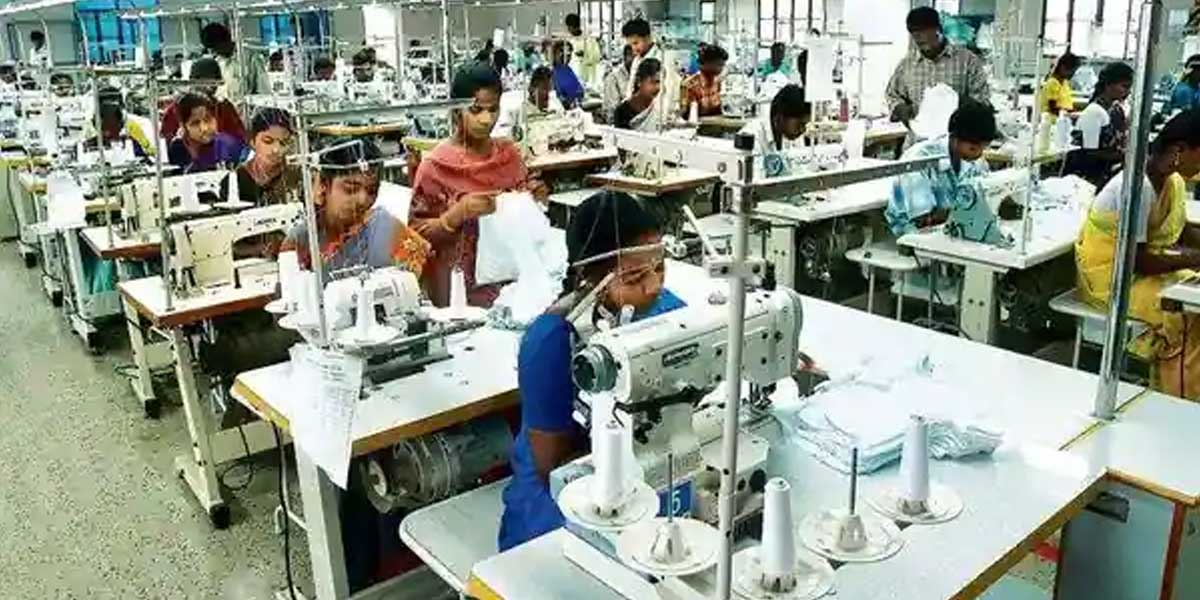
According to an internal document, the Union government is working on a Universal Enterprise ID system to help strengthen the credit ratings of small businesses, which are the engines of the Indian economy.

A group of MSMEs will form a special purpose vehicle (SPV) under the proposal, which may be announced in the Union budget, to borrow from banks in a single transaction and on-lend to its members.

Credit rating agencies are also expected to develop new models for assessing the creditworthiness of MSMEs.

In 2019, an expert committee on micro, small, and medium enterprises (MSMEs) led by former Sebi chairman U.K. Sinha proposed the enterprise ID to improve credit availability to these entities. According to the 73rd round of the National Sample Survey, India has approximately 63.39 million MSMEs (NSS).

The Sinha committee recommended making MSME rating products more relevant and predictive of credit performance by encouraging rating agencies to build more 360-degree scoring models using newer data sources such as utility bills and tax payments, among others.

"The implementation of a Universal Enterprise ID will help this market. Rating agencies may need to develop newer offerings to encourage the growth of cash flow-based lending. "Banks must specify the workflow in their credit appraisal process if the MSME has a credit rating available to it," the committee stated in a report.

The Sinha committee report found that there is no common identifier through which an entity or enterprise can be recognised, referenced, and electronically verified, and enterprises "face problems when they approach other authorities for any permissions".

The panel sought to implement enterprise ID using PAN on a mission-mode basis in order to ensure credit availability to MSMEs.

Emails sent to the ministries of micro, small, and medium enterprises and finance went unanswered as of press time.

According to an internal document, the Union government is working on a Universal Enterprise ID system to help strengthen the credit ratings of small businesses, which are the engines of the Indian economy. A group of MSMEs will form a special purpose vehicle (SPV) under the proposal, which may be announced in the Union budget, to borrow from banks in a single transaction and on-lend to its members. Credit rating agencies are also expected to develop new models for assessing the creditworthiness of MSMEs. In 2019, an expert committee on micro, small, and medium enterprises (MSMEs) led by former Sebi chairman U.K. Sinha proposed the enterprise ID to improve credit availability to these entities. According to the 73rd round of the National Sample Survey, India has approximately 63.39 million MSMEs (NSS). The Sinha committee recommended making MSME rating products more relevant and predictive of credit performance by encouraging rating agencies to build more 360-degree scoring models using newer data sources such as utility bills and tax payments, among others. The implementation of a Universal Enterprise ID will help this market. Rating agencies may need to develop newer offerings to encourage the growth of cash flow-based lending. Banks must specify the workflow in their credit appraisal process if the MSME has a credit rating available to it, the committee stated in a report. The Sinha committee report found that there is no common identifier through which an entity or enterprise can be recognised, referenced, and electronically verified, and enterprises face problems when they approach other authorities for any permissions. The panel sought to implement enterprise ID using PAN on a mission-mode basis in order to ensure credit availability to MSMEs. Emails sent to the ministries of micro, small, and medium enterprises and finance went unanswered as of press time.

Next Story
Technology

AI-Enabled Workflows Lift Profitability and Productivity

Organisations modernising frontline workflows with artificial intelligence, automation and real-time data are reporting stronger financial performance, higher productivity and improved employee engagement, according to a global study by Zebra Technologies and Oxford Economics.The research covered 1,000 senior leaders across retail, manufacturing, transportation and logistics in the US, Mexico, the UK, Germany, India, Japan, Australia and New Zealand.In transportation and logistics, 54 per cent of companies that improved picking and packing operations reported faster operational performance, wh..

Next Story
Real Estate

India Leads Global AI Readiness but Implementation Lags

Indian companies lead global averages across all eight artificial intelligence readiness indicators tracked by JLL, but only 19 per cent have started making changes to their workplaces, according to the JLL 2026 Future of Work Survey.The study found that 77 per cent of Indian business leaders expect AI to change their office requirements, creating a 58-percentage-point gap between awareness and implementation. The survey covered more than 2,200 CEOs, CFOs and real estate leaders across 21 countries during the first quarter of 2026.Despite concerns over automation, 58 per cent of Indian leaders..

Next Story
Equipment

Three WOLFF Cranes Build Riyadh Cable-Stayed Bridges

Three WOLFF 180 B luffing jib cranes are supporting the construction of two cable-stayed bridges alongside the existing Wadi Laban Bridge in Riyadh, Saudi Arabia. The project is being developed for the Royal Commission for Riyadh City and executed by the ICRC joint venture comprising IC Ictas and Al Rashid Trading & Contracting Company.The cranes are handling lifting operations including formwork, reinforcement, concrete placement, work platforms, surveying equipment and other construction materials. Each crane is fitted with a 40 m jib, reaches a hook height of 157 m and offers a maximum ..

Advertisement

Subscribe to Our Newsletter

Get daily newsletters around different themes from Construction world.

STAY CONNECTED

Advertisement

Advertisement

Advertisement















