RBI and IRDAI Urged to Aid Export Amid Red Sea Crisis
ECONOMY & POLICY

RBI and IRDAI Urged to Aid Export Amid Red Sea Crisis

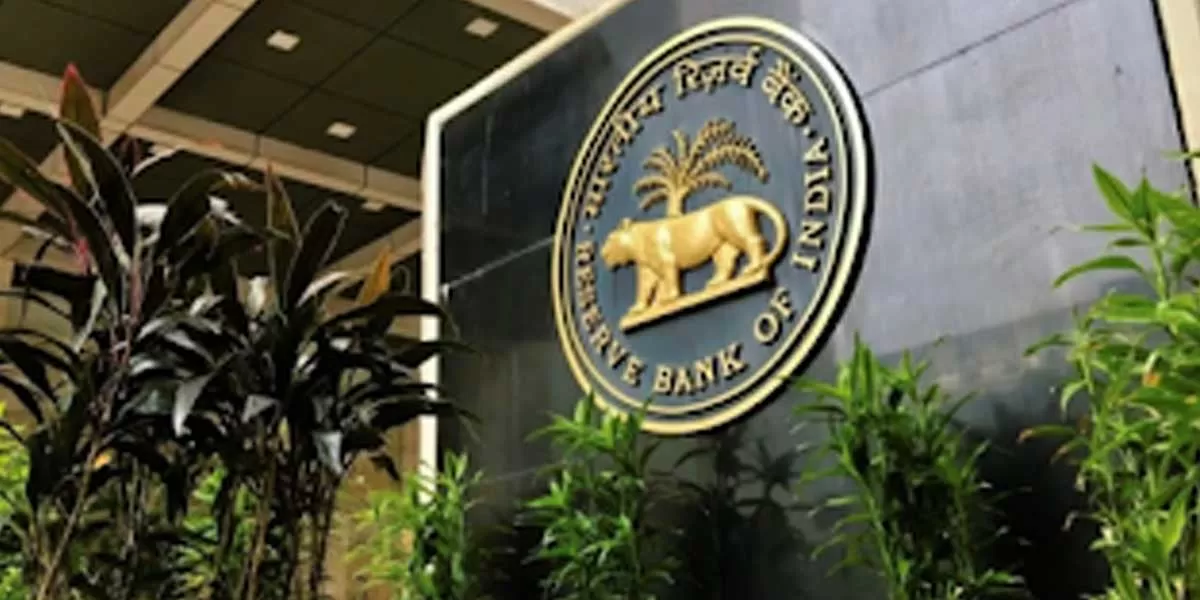
Amidst the ongoing crisis in the Red Sea region, the Reserve Bank of India (RBI) and the Insurance Regulatory and Development Authority of India (IRDAI) have been approached to intervene and assist in minimising the adverse effects on India's exports. The request comes as concerns escalate over the potential disruption of trade routes and shipping operations due to the geopolitical tensions in the Red Sea area.

The call for assistance from RBI and IRDAI underscores the urgency of the situation, with exporters expressing apprehensions about the impact of the Red Sea crisis on their business operations. The region serves as a crucial maritime route for India's trade with various countries, particularly those in the Middle East and Africa.

The escalating tensions in the Red Sea area have raised concerns about the safety and security of shipping vessels, leading to potential disruptions in the movement of goods and commodities. This has prompted exporters to seek support from regulatory bodies such as RBI and IRDAI to mitigate the risks and ensure the smooth continuation of export activities.

RBI and IRDAI are expected to explore measures to address the challenges posed by the Red Sea crisis, including providing financial assistance and insurance coverage to exporters. Additionally, efforts are underway to enhance coordination with relevant authorities and stakeholders to monitor the situation closely and respond effectively to any emerging developments.

The proactive involvement of RBI and IRDAI in addressing the potential impact of the Red Sea crisis on India's exports reflects the government's commitment to safeguarding the interests of the country's trade and commerce amid evolving geopolitical dynamics.

Amidst the ongoing crisis in the Red Sea region, the Reserve Bank of India (RBI) and the Insurance Regulatory and Development Authority of India (IRDAI) have been approached to intervene and assist in minimising the adverse effects on India's exports. The request comes as concerns escalate over the potential disruption of trade routes and shipping operations due to the geopolitical tensions in the Red Sea area. The call for assistance from RBI and IRDAI underscores the urgency of the situation, with exporters expressing apprehensions about the impact of the Red Sea crisis on their business operations. The region serves as a crucial maritime route for India's trade with various countries, particularly those in the Middle East and Africa. The escalating tensions in the Red Sea area have raised concerns about the safety and security of shipping vessels, leading to potential disruptions in the movement of goods and commodities. This has prompted exporters to seek support from regulatory bodies such as RBI and IRDAI to mitigate the risks and ensure the smooth continuation of export activities. RBI and IRDAI are expected to explore measures to address the challenges posed by the Red Sea crisis, including providing financial assistance and insurance coverage to exporters. Additionally, efforts are underway to enhance coordination with relevant authorities and stakeholders to monitor the situation closely and respond effectively to any emerging developments. The proactive involvement of RBI and IRDAI in addressing the potential impact of the Red Sea crisis on India's exports reflects the government's commitment to safeguarding the interests of the country's trade and commerce amid evolving geopolitical dynamics.

Next Story
Infrastructure Urban

Implementation Status of Jal Jeevan Mission

Since August 2019 the Government has implemented Jal Jeevan Mission to provide assured potable water through household tap connections in rural India. At the start of the mission only 32.3 million (mn) rural households, representing 16.7 per cent, were reported to have tap water connections. States and union territories have reported that 125.8 mn additional rural households have since been provided with tap connections. As a result, of about 193.6 mn rural households roughly 158.2 mn, or 81.71 per cent, are reported to have tap water supply at home.\n\nThe State, district and village level st..

Next Story
Infrastructure Urban

Jal Jeevan Mission Reaches Eighty One Per Cent Rural Coverage

The Government reported substantial progress under the Jal Jeevan Mission, launched in August 2019 to provide tap water to every rural household. At launch only 32.3 million (mn) rural households had tap connections and states and Union territories reported provision of 125.8 mn additional households by March 2026. Consequently, out of about 193.6 mn rural households around 158.2 mn, or 81.71 per cent, are reported to have tap water at home. The Finance Minister announced extension of the mission until 2028 in the 2025-26 budget speech. The Swachh Bharat Mission Grameen, launched in October 20..

Next Story
Infrastructure Urban

Empowering Local Governance for Sustainable Rural Water Supply

The Ministry of Jal Shakti has aligned the Jal Jeevan Mission (JJM) with the 73rd Amendment to strengthen village level planning and community ownership of water supply. Gram Panchayats, village water and sanitation committees and Pani Samitis are to plan, implement, manage and maintain piped water systems, with gram sabha processes formalising handover and oversight. Implementation support agencies including non government organisations, community based organisations and self help groups have been empanelled to train local committees and promote women participation. Under JJM, the department ..

Advertisement

Subscribe to Our Newsletter

Get daily newsletters around different themes from Construction world.

STAY CONNECTED

Advertisement

Advertisement

Advertisement