RBI to Inject Rs 1.25 Trillion Liquidity through Bond Purchases
ECONOMY & POLICY

RBI to Inject Rs 1.25 Trillion Liquidity through Bond Purchases

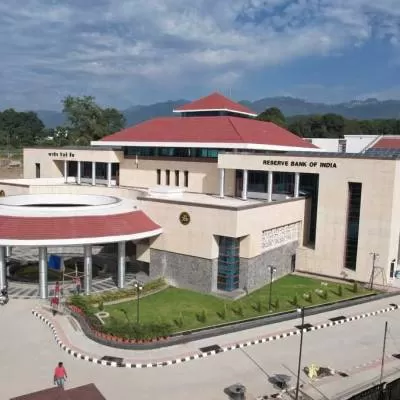
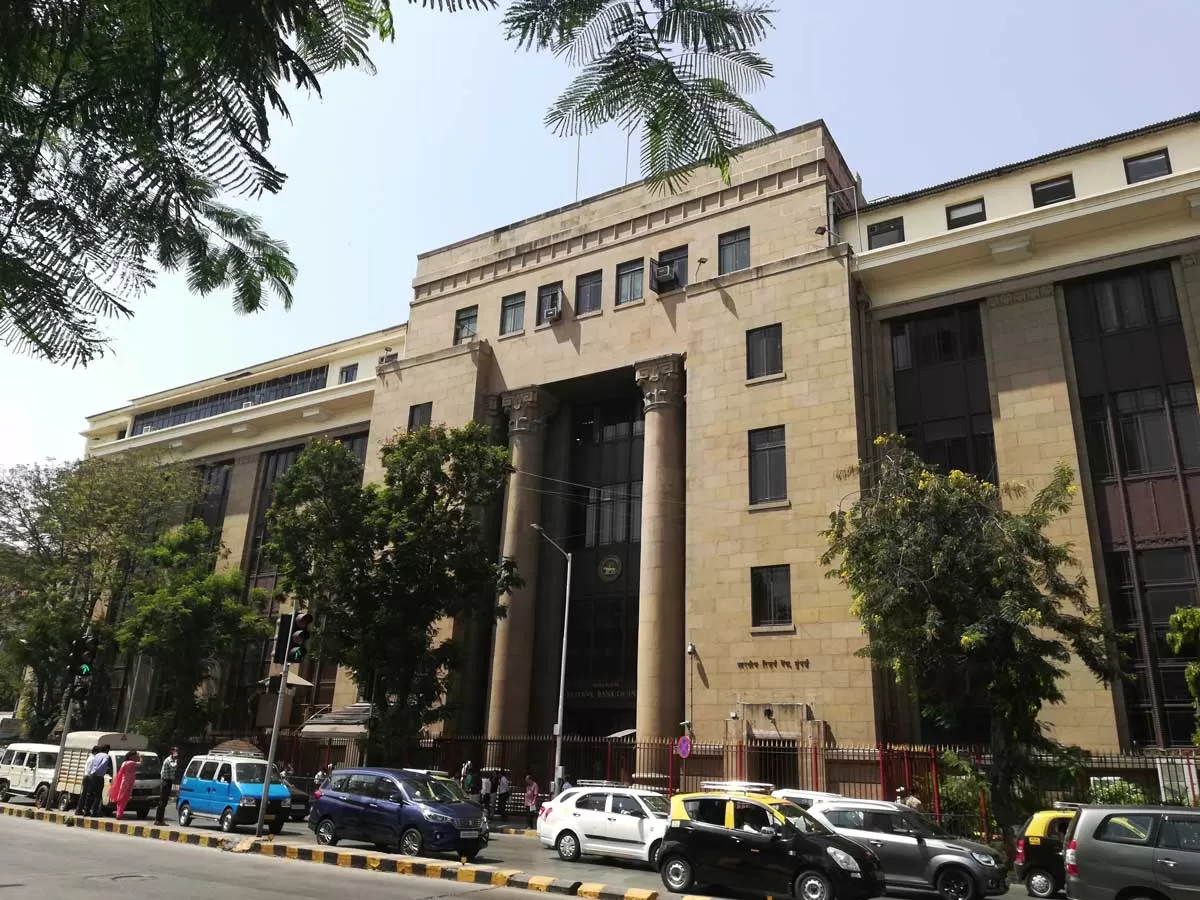
The Reserve Bank of India (RBI) announced its plan to purchase government bonds worth Rs 1.25 trillion through open market operations (OMOs) in four separate tranches during May, as part of its continued efforts to inject liquidity into the banking system.

According to the schedule, the first tranche amounting to Rs 500 billion is set for May 6, while the remaining three tranches of Rs 250 billion each will take place on May 9, 15, and 19. This move follows the RBI’s liquidity support measures in April, during which it infused Rs 1.2 trillion through debt purchases and foreign exchange swaps. Additionally, the central bank is set to purchase bonds worth Rs 200 billion on Tuesday, marking the final tranche for April.

Earlier in the month, the RBI had also cut the repo rate for the second consecutive time and shifted its policy stance to "accommodative" to further support the economy.

In a press conference held after the monetary policy announcement on April 9, Governor Sanjay Malhotra indicated that the RBI intended to maintain an adequate liquidity surplus in the banking system to facilitate effective transmission of policy rates. He noted that the desired surplus level was around 1 per cent of total deposits, which translates to approximately Rs 2.20 trillion to Rs 2.50 trillion.

As per the RBI’s data, the daily average surplus in the banking system for the week ending April 25 stood at Rs 809 billion, a decline from Rs 1.78 trillion recorded the previous week.

News source: Business Standard

The Reserve Bank of India (RBI) announced its plan to purchase government bonds worth Rs 1.25 trillion through open market operations (OMOs) in four separate tranches during May, as part of its continued efforts to inject liquidity into the banking system. According to the schedule, the first tranche amounting to Rs 500 billion is set for May 6, while the remaining three tranches of Rs 250 billion each will take place on May 9, 15, and 19. This move follows the RBI’s liquidity support measures in April, during which it infused Rs 1.2 trillion through debt purchases and foreign exchange swaps. Additionally, the central bank is set to purchase bonds worth Rs 200 billion on Tuesday, marking the final tranche for April. Earlier in the month, the RBI had also cut the repo rate for the second consecutive time and shifted its policy stance to accommodative to further support the economy. In a press conference held after the monetary policy announcement on April 9, Governor Sanjay Malhotra indicated that the RBI intended to maintain an adequate liquidity surplus in the banking system to facilitate effective transmission of policy rates. He noted that the desired surplus level was around 1 per cent of total deposits, which translates to approximately Rs 2.20 trillion to Rs 2.50 trillion. As per the RBI’s data, the daily average surplus in the banking system for the week ending April 25 stood at Rs 809 billion, a decline from Rs 1.78 trillion recorded the previous week. News source: Business Standard

Next Story
Technology

Twin Tracks

Digital-twin adoption in India’s rail sector is gradually making its presence felt across asset management, infrastructure planning, predictive maintenance, construction monitoring and operator training.While large-scale deployments of digital twins are still evolving, Nipun Dumpala, a Senior Technical Lead specialising in digital twins, synthetic data, simulation and mixed reality technologies, points out that several organisations are exploring BIM-integrated digital twins, IoT-enabled monitoring, AI-based analytics and simulation platforms to improve operational efficiency and reduce life..

Next Story
Infrastructure Urban

Centre Clears Power Distribution Upgrade for Uttar Pradesh

The Central Government has approved power distribution projects worth Rs 407.39 billion for Uttar Pradesh under the Revamped Distribution Sector Scheme (RDSS). The investment will be used to modernise the state's electricity distribution infrastructure and strengthen network capacity across urban and rural areas. The package targets one of the country's largest distribution networks as the state experiences rapid urbanisation and rising electricity consumption. Planned interventions include the strengthening of distribution lines, modernisation of substations, replacement of ageing electrical ..

Next Story
Infrastructure Energy

India Data Centres To Consume 191 TWh By 2040 Driving Renewables

A Wood Mackenzie report says India's operational data centre capacity is projected to increase more than fivefold to 12 gigawatt (GW) by 2030 from 2.2 GW in 2025 as artificial intelligence (AI) and cloud computing drive demand. It projects electricity consumption to rise from 10 terawatt-hour (TWh) in 2025 to 191 TWh by 2040. The study forecasts a compound annual growth rate of around 40 per cent and notes AI-dedicated capacity will surge nearly 24-fold from 275 megawatt (MW) in 2025 to 6,546 MW by 2030. The report places India's digital economy at Rs 32 trillion (tn) in 2025 and says it contr..

Advertisement

Subscribe to Our Newsletter

Get daily newsletters around different themes from Construction world.

STAY CONNECTED

Advertisement

Advertisement

Advertisement