Road and power sector rises as construction tenders swell by 96%
ECONOMY & POLICY

Road and power sector rises as construction tenders swell by 96%

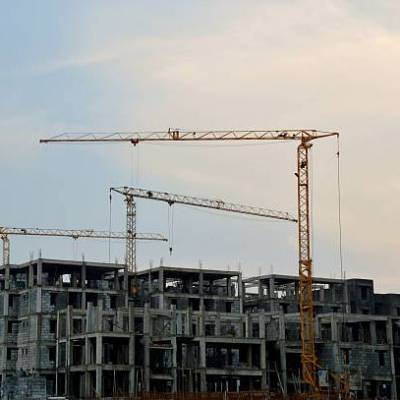
India Ratings and Research (Ind-Ra) highlights that the fourth quarter of the fiscal year 2024 saw a 96% year-over-year rise in the number of construction tenders for roads and power, amounting to Rs 7,089 billion. This increase is characterised by a March Rush of increased tendering activity by the central and state governments. On the other hand, orders awarded decreased by 30% during that time, reaching Rs 1,623 billion the lowest growth rate during the previous eight quarters. .

The roads sector is dominating, with 49% of all tenders issued in the quarter, up from 33% the year before. The water and real estate segments came next, with corresponding contributions of 20% and 16%. In contrast, highways accounted for 31% of all contracts awarded, while the electricity sector, which comprises generation and distribution, made up 40% of all orders.

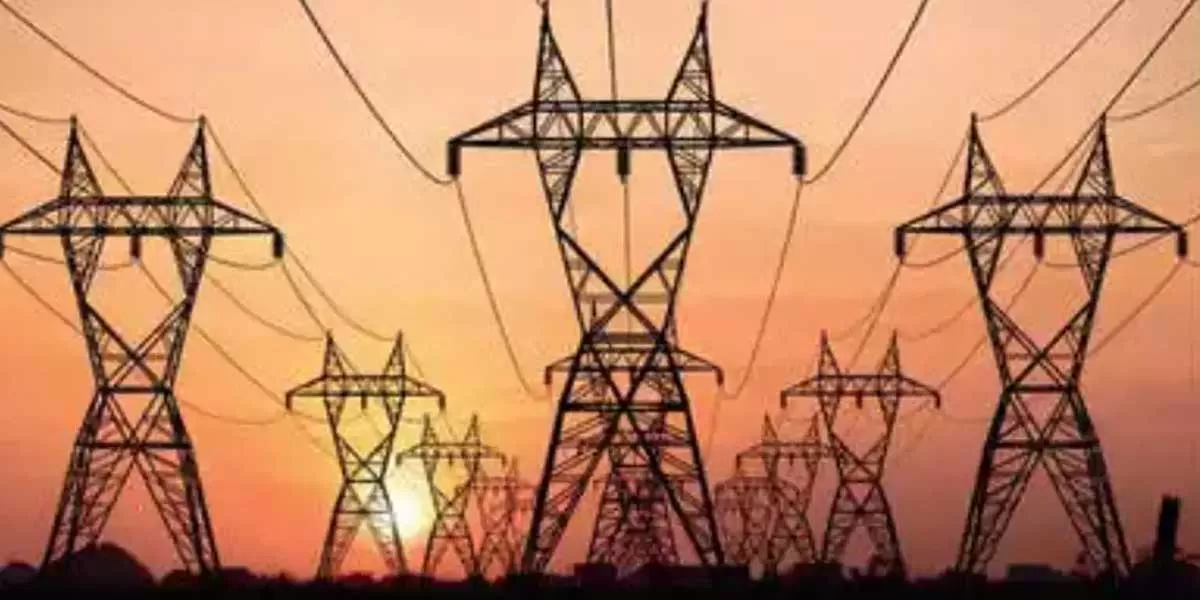
With two big value orders, the power segment made about 45% of the granted order book, demonstrating its dominance in the activity throughout the quarter. In terms of order awards and tenders, other industries, including railroads, mining, irrigation, sewage, and others, had differing degrees of activity. .

Krishan Binani, the Director of Corporate Ratings at Ind-Ra, commented on the future of the sector, suggesting an expectation for an increase in contract awards in the near future. He stated that tender awards could see significant upward momentum starting in June 2024, in line with historical announcements starting in the second quarter of the fiscal year 2025. .

Ind-Ra has kept a neutral outlook on the construction industry for the fiscal year 2025, citing continued government capital expenditure as well as a likely rebound in state and private spending to drive 10%?12% growth in Engineering, Procurement, and Construction (EPC) sector revenues. The centre capital expenditure increase is anticipated to be 17%, consistent with a pattern of lower investment during election years. This might be countered by state expenditures and sector-specific private capital expenditures.

India Ratings and Research (Ind-Ra) highlights that the fourth quarter of the fiscal year 2024 saw a 96% year-over-year rise in the number of construction tenders for roads and power, amounting to Rs 7,089 billion. This increase is characterised by a March Rush of increased tendering activity by the central and state governments. On the other hand, orders awarded decreased by 30% during that time, reaching Rs 1,623 billion the lowest growth rate during the previous eight quarters. . The roads sector is dominating, with 49% of all tenders issued in the quarter, up from 33% the year before. The water and real estate segments came next, with corresponding contributions of 20% and 16%. In contrast, highways accounted for 31% of all contracts awarded, while the electricity sector, which comprises generation and distribution, made up 40% of all orders. With two big value orders, the power segment made about 45% of the granted order book, demonstrating its dominance in the activity throughout the quarter. In terms of order awards and tenders, other industries, including railroads, mining, irrigation, sewage, and others, had differing degrees of activity. . Krishan Binani, the Director of Corporate Ratings at Ind-Ra, commented on the future of the sector, suggesting an expectation for an increase in contract awards in the near future. He stated that tender awards could see significant upward momentum starting in June 2024, in line with historical announcements starting in the second quarter of the fiscal year 2025. . Ind-Ra has kept a neutral outlook on the construction industry for the fiscal year 2025, citing continued government capital expenditure as well as a likely rebound in state and private spending to drive 10%?12% growth in Engineering, Procurement, and Construction (EPC) sector revenues. The centre capital expenditure increase is anticipated to be 17%, consistent with a pattern of lower investment during election years. This might be countered by state expenditures and sector-specific private capital expenditures.

Related Stories

Gold Stories

Next Story
Infrastructure Urban

KONE Opens India's First Digital Experience Centre in Pune

KONE, a global elevator and escalator manufacturer, has inaugurated its first Digital Experience Centre (DEC) in India, located in Pune. The facility aims to showcase how artificial intelligence (AI), connectivity and data-driven technologies can enhance customer experiences and improve building operations.The centre was inaugurated by Jussi Herlin, Executive Vice Chair, KONE Corporation; Philippe Delorme, President and CEO, KONE; and Nandan Nilekani, Co-founder and Chairman of the Board, Infosys.Designed as an interactive customer environment, the facility demonstrates digital solutions cover..

Next Story
Infrastructure Urban

CII GreenCo Launches Circularity Guidelines for Indian Industry

The Confederation of Indian Industry (CII) GreenCo Council has launched the CII GreenCo Circularity Guidelines – Pilot Version at the 17th CII GreenCo Waste & Resource Management Summit 2026 in Chennai. The initiative aims to strengthen resource efficiency, waste reduction and circular economy practices across Indian manufacturing and process industries.The guidelines introduce a structured framework with circularity indices covering raw materials, consumables, packaging and other resource inputs. These indicators will help industries assess existing practices, identify opportunities to ..

Next Story
Infrastructure Energy

Global Electronics Association Launches IPC-1783-CO2E Standard

The Global Electronics Association has introduced IPC-1783-CO2E, a new international standard aimed at improving consistency, transparency and comparability in product carbon footprint reporting across the electronics manufacturing industry.The standard, titled International Standard for Data Collection and Reporting of CO2 Equivalent (CO2e) Emissions for the Electronics Manufacturing Supply Chain, provides industry-specific guidance for collecting, estimating and reporting carbon emissions data.With increasing regulatory requirements and customer expectations, electronics manufacturers face c..

Advertisement

Subscribe to Our Newsletter

Get daily newsletters around different themes from Construction world.

STAY CONNECTED

Advertisement

SPECIAL OFFER
QR Code