RTI shows 10.46 lakh motor accident claims pending nationwide
ECONOMY & POLICY

RTI shows 10.46 lakh motor accident claims pending nationwide

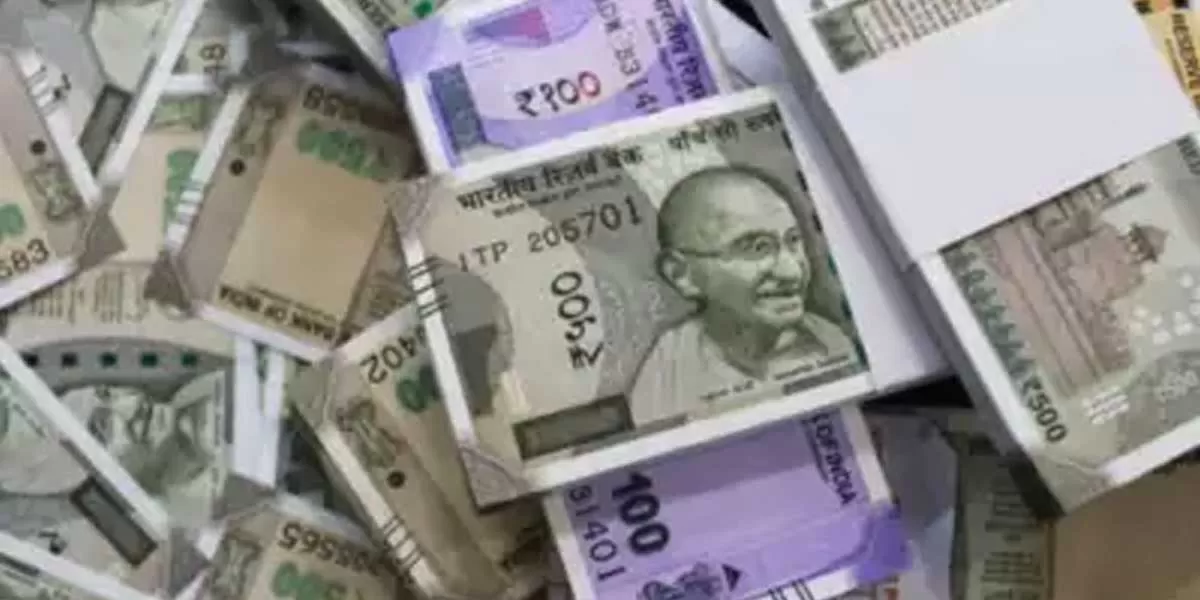
According to information obtained through the RTI Act, there are up to 10,46,163 automobile accident claims totaling Rs 804 billion that are still outstanding nationwide. The number of these claims has climbed steadily during 2018?19 and 2022?2023 as well. The Insurance Regulatory and Development Authority of India (IRDAI) has furnished the information in response to a request made in April by counsel K C Jain of the Supreme Court.

Jain had asked the Ministry of Road Transport and Highways (MoRTH) how many motor accident claims were still outstanding nationwide, broken down down by state and district. Additionally, he was interested in learning the yearly breakdown of claims filed, dismissed, and pending over the previous five years as well as any efforts that had been He also sought to know the annual break up of claims instituted, disposed of and remaining during the last five years and the initiatives, if any, taken by the Centre for an early disposal of the motor accident claims.

According to IRDAI's information, at the end of the financial years 2018-19, 2019-20, 2020-21, 2021-22, and 2022-23, the number of motor accident claims pending was 9,09,166, 9,39,160, 10,08,332, 10,39,323, and 10,46,163, respectively, with claim amounts of Rs 527 billion, Rs 610 billion , Rs 707 billion, Rs 747 billion, and Rs 804 billion, respectively.

Citing the data, Supreme Court remarked that the number of pending claims had been progressively increasing each year, accompanied by a delay in resolving claims for the dependents of deceased and injured persons in road accidents. He expressed concerns over the sluggish pace of claim settlements, estimating that it typically takes an average of four years for a victim to receive financial relief. Jain pointed out that, according to the pace of claim settlements, the number of pending cases at the commencement of the financial year 2022-23 had been 10,39,323, with 4,54,944 new claims received that year. Consequently, the total number of pending claims had amounted to 14,94,267, of which only 4,48,104 cases had been settled, accounting for a mere 29 percent of the total cases. Therefore, he concluded that, on average, it takes approximately four years to adjudicate a claim. In response to the protracted delays in the adjudication of motor accident claims, Jain mentioned that he had lodged an interlocutory application in the Supreme Court under a writ petition (civil). He demanded that, considering the delays in decision-making and compensation disbursement in road accidents, the central government should formulate an interim payment scheme under Section 164A of the Motor Vehicles Act, facilitating expedited relief for victims.

"Join industry leaders at RAHSTA Expo, India's premier platform for roads, highways and traffic infrastructure. Register now to explore innovations, network with experts and shape the future of mobility."

According to information obtained through the RTI Act, there are up to 10,46,163 automobile accident claims totaling Rs 804 billion that are still outstanding nationwide. The number of these claims has climbed steadily during 2018?19 and 2022?2023 as well. The Insurance Regulatory and Development Authority of India (IRDAI) has furnished the information in response to a request made in April by counsel K C Jain of the Supreme Court. Jain had asked the Ministry of Road Transport and Highways (MoRTH) how many motor accident claims were still outstanding nationwide, broken down down by state and district. Additionally, he was interested in learning the yearly breakdown of claims filed, dismissed, and pending over the previous five years as well as any efforts that had been He also sought to know the annual break up of claims instituted, disposed of and remaining during the last five years and the initiatives, if any, taken by the Centre for an early disposal of the motor accident claims. According to IRDAI's information, at the end of the financial years 2018-19, 2019-20, 2020-21, 2021-22, and 2022-23, the number of motor accident claims pending was 9,09,166, 9,39,160, 10,08,332, 10,39,323, and 10,46,163, respectively, with claim amounts of Rs 527 billion, Rs 610 billion , Rs 707 billion, Rs 747 billion, and Rs 804 billion, respectively. Citing the data, Supreme Court remarked that the number of pending claims had been progressively increasing each year, accompanied by a delay in resolving claims for the dependents of deceased and injured persons in road accidents. He expressed concerns over the sluggish pace of claim settlements, estimating that it typically takes an average of four years for a victim to receive financial relief. Jain pointed out that, according to the pace of claim settlements, the number of pending cases at the commencement of the financial year 2022-23 had been 10,39,323, with 4,54,944 new claims received that year. Consequently, the total number of pending claims had amounted to 14,94,267, of which only 4,48,104 cases had been settled, accounting for a mere 29 percent of the total cases. Therefore, he concluded that, on average, it takes approximately four years to adjudicate a claim. In response to the protracted delays in the adjudication of motor accident claims, Jain mentioned that he had lodged an interlocutory application in the Supreme Court under a writ petition (civil). He demanded that, considering the delays in decision-making and compensation disbursement in road accidents, the central government should formulate an interim payment scheme under Section 164A of the Motor Vehicles Act, facilitating expedited relief for victims.

Next Story
Infrastructure Urban

Designing Human-Centric High-Rises

The Institution of Engineers (India) (IEI), Navi Mumbai Local Centre, under the aegis of the Architectural Engineering Division Board, organised a one-day national seminar, ‘Reaching New Heights – Overcoming High-Rise Construction Challenges’, at CBD Belapur, Navi Mumbai.The seminar brought together architects, engineers, planners, developers, academicians and industry professionals to deliberate on the design, construction, operation and sustainability of tall buildings in rapidly urbanising cities...To read the full article Click Here ..

Next Story
Infrastructure Urban

Carbon-negative and ultra-low carbon are not just claims!

In an interaction with Construction World, Tarun Jami, Founder, GreenJams, explains how the company is cutting cement’s carbon footprint by 80 per cent through Binder, while scaling innovations such as Agrocrete® and Novastone to make buildings lighter, faster and carbon-negative.Agrocrete® is positioned as a carbon-negative material. What does this mean for developers?For developers, Agrocrete® offers a practical way to reduce embodied carbon at the material level. Since walling forms a significant part of a building’s material footprint, using carbon-negative blocks can bring the net ..

Next Story
Technology

Crushing Goes Green

If the past few years have seen sustainability emerge as a buzzword in the design of commercial spaces, the next few years will see the focus shift to ‘experience’. Workplaces that prioritise superior employee experiences consistently report stronger talent attraction and higher retention rates and productivity, while using resources sustainably.First things first; what sort of experiences are expected from a workplace?As Vandana Dhawan Saxena, Founder and Design Principal, Studio IV Designs, explains, “Offices have grown into environments that need to support various kinds of experience..

Advertisement

Subscribe to Our Newsletter

Get daily newsletters around different themes from Construction world.

STAY CONNECTED

Advertisement

Advertisement

Advertisement