Scindia Unveils Rs 650 Billion Boost During Hornbill Festival
ECONOMY & POLICY

Scindia Unveils Rs 650 Billion Boost During Hornbill Festival

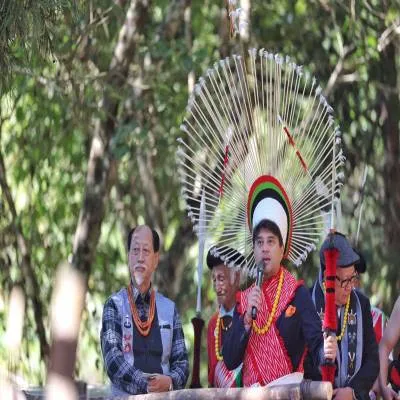
Union Minister for Communications and DoNER Jyotiraditya M. Scindia participated in Nagaland’s globally acclaimed Hornbill Festival as part of his three-day visit to the state, celebrating the cultural heritage and traditions of its 17 tribes. Expressing his personal connection with the region, he said, “My relationship with Nagaland and its 17 tribes is one I feel from the heart. I bring with me the hopes, aspirations and unwavering commitment of Prime Minister Narendra Modi, whose Act East vision is transforming the Northeast into India’s first frontier to the world.”

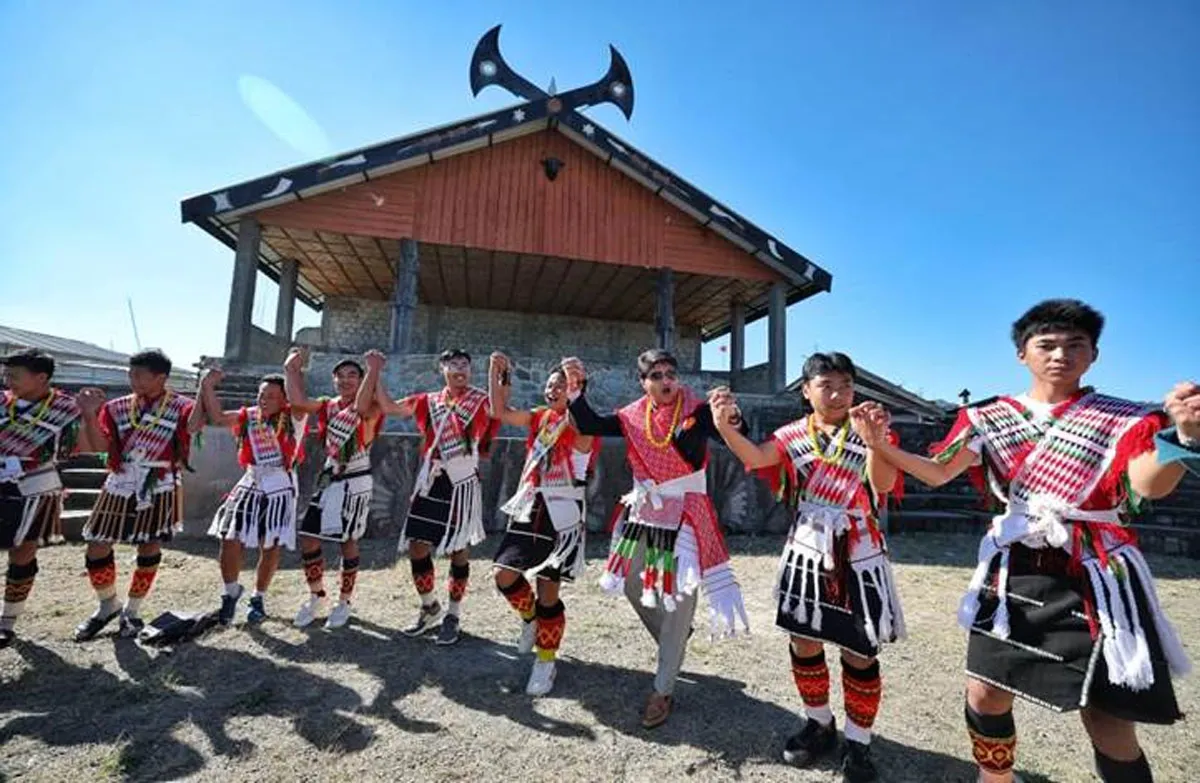
Held at Kisama Heritage Village, the Hornbill Festival has grown significantly under the Prime Minister’s emphasis on cultural diplomacy, connectivity and tourism. This year, Switzerland, Ireland and the United Kingdom joined as official Partner Countries — a major step in placing the Northeast on the global cultural map. The festival remains a dynamic blend of tradition and modern expression, featuring tribal dances, handloom showcases, indigenous games, village walks, culinary exhibitions, concerts and the famed Hornbill International Rock Contest.

During his visit, the Minister engaged with artisans, entrepreneurs and cultural practitioners. At the Regional Craft and Resource Centre in Touphema Village, he interacted with women artisans and designer Margherita, participated in Naga Khu (basket) weaving, observed Naga Dao crafting and played the TaTi — an indigenous string instrument — alongside Angami musicians.

He later visited a local coffee farm, where he sampled freshly roasted Naga dal and handmade muffins prepared by local women, with coffee brewed by young entrepreneurs. He also joined Chief Minister Neiphiu Rio for a traditional coffee-making session and met aspiring coffee producers. In the evening, he visited the Angami, Chakhesang and Konyak morungs, before meeting women weavers and craftswomen at the Hornbill handicraft market.

Earlier in the day, Shri Scindia took part in the revered Angami stone-pulling ceremony in Tuophema Village, describing it as a symbol of unity and cultural resilience.

In the afternoon, he unveiled a development package of nearly Rs 6.5 billion under the Ministry of DoNER and the Government’s Act East, Act Fast, Act First approach. This included inaugurations totalling over Rs 2.02 billion and foundation stones for more than Rs 4.43 billion worth of new projects across healthcare, sports, education, power, innovation and major road corridors — a comprehensive effort to accelerate growth and unlock economic opportunities in Nagaland.

Highlighting the region’s rapid progress under Prime Minister Modi, the Minister noted, “From airports and highways to telecom and cross-border connectivity, infrastructure in the Northeast is advancing at unprecedented speed. With nearly Rs 6.5 billion worth of new projects in Nagaland alone, we are working closely with Chief Minister Neiphiu Rio to build a future worthy of our people’s aspirations.”

He reaffirmed that the Northeast, regarded by the Prime Minister as one of India’s Ashta Lakshmi, is now among the country’s fastest-growing regions, powered by its young and enterprising population. Close coordination between DoNER and the State Government will continue as the next pipeline of projects moves forward.

Union Minister for Communications and DoNER Jyotiraditya M. Scindia participated in Nagaland’s globally acclaimed Hornbill Festival as part of his three-day visit to the state, celebrating the cultural heritage and traditions of its 17 tribes. Expressing his personal connection with the region, he said, “My relationship with Nagaland and its 17 tribes is one I feel from the heart. I bring with me the hopes, aspirations and unwavering commitment of Prime Minister Narendra Modi, whose Act East vision is transforming the Northeast into India’s first frontier to the world.” Held at Kisama Heritage Village, the Hornbill Festival has grown significantly under the Prime Minister’s emphasis on cultural diplomacy, connectivity and tourism. This year, Switzerland, Ireland and the United Kingdom joined as official Partner Countries — a major step in placing the Northeast on the global cultural map. The festival remains a dynamic blend of tradition and modern expression, featuring tribal dances, handloom showcases, indigenous games, village walks, culinary exhibitions, concerts and the famed Hornbill International Rock Contest. During his visit, the Minister engaged with artisans, entrepreneurs and cultural practitioners. At the Regional Craft and Resource Centre in Touphema Village, he interacted with women artisans and designer Margherita, participated in Naga Khu (basket) weaving, observed Naga Dao crafting and played the TaTi — an indigenous string instrument — alongside Angami musicians. He later visited a local coffee farm, where he sampled freshly roasted Naga dal and handmade muffins prepared by local women, with coffee brewed by young entrepreneurs. He also joined Chief Minister Neiphiu Rio for a traditional coffee-making session and met aspiring coffee producers. In the evening, he visited the Angami, Chakhesang and Konyak morungs, before meeting women weavers and craftswomen at the Hornbill handicraft market. Earlier in the day, Shri Scindia took part in the revered Angami stone-pulling ceremony in Tuophema Village, describing it as a symbol of unity and cultural resilience. In the afternoon, he unveiled a development package of nearly Rs 6.5 billion under the Ministry of DoNER and the Government’s Act East, Act Fast, Act First approach. This included inaugurations totalling over Rs 2.02 billion and foundation stones for more than Rs 4.43 billion worth of new projects across healthcare, sports, education, power, innovation and major road corridors — a comprehensive effort to accelerate growth and unlock economic opportunities in Nagaland. Highlighting the region’s rapid progress under Prime Minister Modi, the Minister noted, “From airports and highways to telecom and cross-border connectivity, infrastructure in the Northeast is advancing at unprecedented speed. With nearly Rs 6.5 billion worth of new projects in Nagaland alone, we are working closely with Chief Minister Neiphiu Rio to build a future worthy of our people’s aspirations.” He reaffirmed that the Northeast, regarded by the Prime Minister as one of India’s Ashta Lakshmi, is now among the country’s fastest-growing regions, powered by its young and enterprising population. Close coordination between DoNER and the State Government will continue as the next pipeline of projects moves forward.

Next Story
Infrastructure Transport

Large Format Store Planned At M G Road Metro Station

M G Road station in Bengaluru is set to host the city’s first large-format commercial and experience space, with planning led by Bangalore Metro Rail Corporation Limited. BMRCL has invited proposals to develop and operate a central business district destination at the Purple?Pink Line interchange. The plan positions the station as a commercial hub designed to serve a broad commuter base across the city. The proposal is part of a broader effort to activate transit nodes commercially. Tender documents set a minimum monthly rental of Rs 0.944 million (mn), inclusive of GST, for the large-format..

Next Story
Infrastructure Energy

Government Cancels Auction Of Eleven Critical Mineral Blocks

The government has cancelled the auction of 11 critical and strategic mineral blocks after receiving a poor investor response and failing to attract a sufficient number of qualified bidders. The decision represents a setback to plans to ramp up domestic exploration and production of critical minerals amid global supply chain disruptions and rising demand for materials used in clean energy and advanced technologies. The mines ministry issued an annulment notice setting out the reasons for the cancellations. The annulment notice indicated that the auction process for five mineral blocks was canc..

Next Story
Infrastructure Energy

Gujarat Pushes Biogas Growth With 193 Operational Units

Gujarat has operationalised 193 biogas plants across the state and is planning to add 60 more units as part of a broader push to scale up clean and sustainable energy solutions. The existing plants, established under various government-supported schemes, process organic waste including cattle dung and agricultural residue to produce biogas and a nutrient-rich slurry. The output is mainly used for cooking and other energy needs in rural and semi-urban communities, while also improving local waste management practices. The Gujarat Energy Development Agency (GEDA) is leading the initiative and is..

Advertisement

Subscribe to Our Newsletter

Get daily newsletters around different themes from Construction world.

STAY CONNECTED

Advertisement

Advertisement

Advertisement