Tyre Industry Seeks Ban on Scrap Tyre Imports Amid Surge
ECONOMY & POLICY

Tyre Industry Seeks Ban on Scrap Tyre Imports Amid Surge

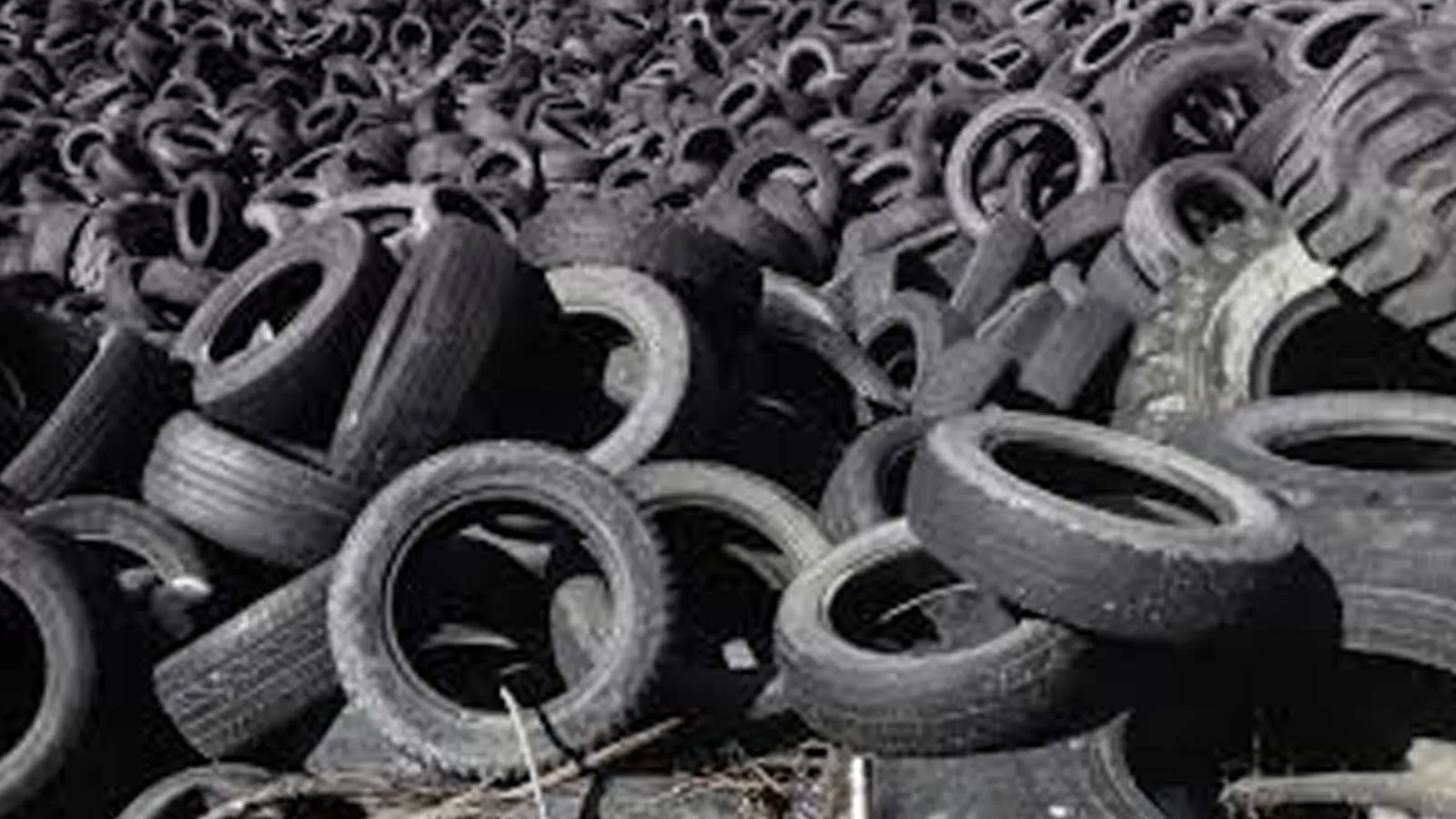
The Automotive Tyre Manufacturers Association (ATMA) has urged the government to impose an immediate ban on waste tyre imports, citing a more than fivefold increase since FY21 and growing environmental concerns. According to Ministry of Commerce data, imports of waste and scrap tyres have surged from 264,000 metric tonnes in FY21 to 1.398 million metric tonnes in FY24. 

In its pre-budget submission, ATMA Chairman Arnab Banerjee highlighted that the rising imports contradict India's Extended Producers Responsibility (EPR) Regulation on Waste Tyres, implemented in July 2022. The regulation is designed to ensure proper collection and disposal of end-of-life tyres, reducing environmental impact. 

With India producing over 200 million tyres annually, ATMA argues that the domestic industry already generates sufficient end-of-life tyres to meet recycling needs, making imports unnecessary. The influx of scrap tyres also raises safety concerns, as improper disposal can lead to fire hazards and environmental pollution. 

India's tyre industry has expanded significantly in the past decade, with manufacturers increasing capacity to cater to both domestic and export markets. The sector accounts for about 3% of global tyre production, with major players operating multiple manufacturing units across various states. 

ATMA, which represents India's leading tyre manufacturers, is advocating for stronger domestic recycling infrastructure instead of relying on imports. The association has previously collaborated with the government on industry regulations, quality control measures, and raw material policies. 

(Autocarpro)    

The Automotive Tyre Manufacturers Association (ATMA) has urged the government to impose an immediate ban on waste tyre imports, citing a more than fivefold increase since FY21 and growing environmental concerns. According to Ministry of Commerce data, imports of waste and scrap tyres have surged from 264,000 metric tonnes in FY21 to 1.398 million metric tonnes in FY24. In its pre-budget submission, ATMA Chairman Arnab Banerjee highlighted that the rising imports contradict India's Extended Producers Responsibility (EPR) Regulation on Waste Tyres, implemented in July 2022. The regulation is designed to ensure proper collection and disposal of end-of-life tyres, reducing environmental impact. With India producing over 200 million tyres annually, ATMA argues that the domestic industry already generates sufficient end-of-life tyres to meet recycling needs, making imports unnecessary. The influx of scrap tyres also raises safety concerns, as improper disposal can lead to fire hazards and environmental pollution. India's tyre industry has expanded significantly in the past decade, with manufacturers increasing capacity to cater to both domestic and export markets. The sector accounts for about 3% of global tyre production, with major players operating multiple manufacturing units across various states. ATMA, which represents India's leading tyre manufacturers, is advocating for stronger domestic recycling infrastructure instead of relying on imports. The association has previously collaborated with the government on industry regulations, quality control measures, and raw material policies. (Autocarpro)    

Next Story
Technology

AI-Enabled Workflows Lift Profitability and Productivity

Organisations modernising frontline workflows with artificial intelligence, automation and real-time data are reporting stronger financial performance, higher productivity and improved employee engagement, according to a global study by Zebra Technologies and Oxford Economics.The research covered 1,000 senior leaders across retail, manufacturing, transportation and logistics in the US, Mexico, the UK, Germany, India, Japan, Australia and New Zealand.In transportation and logistics, 54 per cent of companies that improved picking and packing operations reported faster operational performance, wh..

Next Story
Real Estate

India Leads Global AI Readiness but Implementation Lags

Indian companies lead global averages across all eight artificial intelligence readiness indicators tracked by JLL, but only 19 per cent have started making changes to their workplaces, according to the JLL 2026 Future of Work Survey.The study found that 77 per cent of Indian business leaders expect AI to change their office requirements, creating a 58-percentage-point gap between awareness and implementation. The survey covered more than 2,200 CEOs, CFOs and real estate leaders across 21 countries during the first quarter of 2026.Despite concerns over automation, 58 per cent of Indian leaders..

Next Story
Equipment

Three WOLFF Cranes Build Riyadh Cable-Stayed Bridges

Three WOLFF 180 B luffing jib cranes are supporting the construction of two cable-stayed bridges alongside the existing Wadi Laban Bridge in Riyadh, Saudi Arabia. The project is being developed for the Royal Commission for Riyadh City and executed by the ICRC joint venture comprising IC Ictas and Al Rashid Trading & Contracting Company.The cranes are handling lifting operations including formwork, reinforcement, concrete placement, work platforms, surveying equipment and other construction materials. Each crane is fitted with a 40 m jib, reaches a hook height of 157 m and offers a maximum ..

Advertisement

Subscribe to Our Newsletter

Get daily newsletters around different themes from Construction world.

STAY CONNECTED

Advertisement

Advertisement

Advertisement