Whitetopping begins on 63 km Bengaluru stretches in Rs 12-bn project
ECONOMY & POLICY

Whitetopping begins on 63 km Bengaluru stretches in Rs 12-bn project

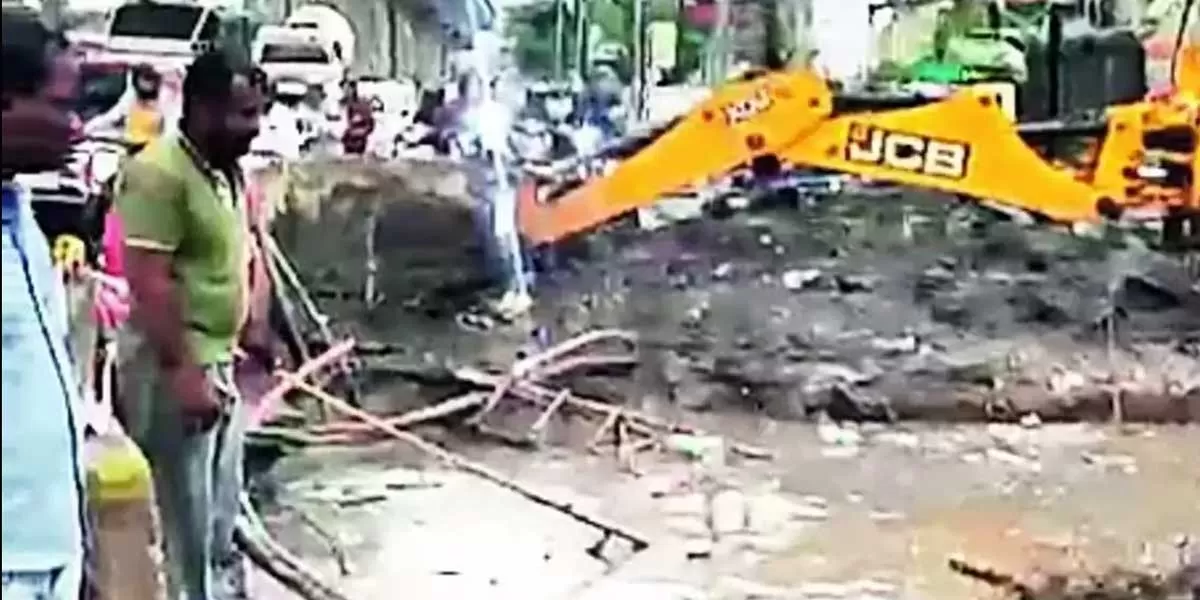
A project valued at Rs 12 billion was recently initiated to whiten 63 kilometres of city roads, with an expected completion time of about a year. It is anticipated that the project will be carried out in 11 phases, with four phases scheduled for implementation at a later time. The approval for the tender of the remaining seven phases, amounting to Rs 8.13 billion, has been granted.

According to BBMP's engineer-in-chief BS Prahlad, whitetopped roads are known for their superior quality and longevity, lasting between 10 to 15 years, as opposed to asphalted roads which typically last only five years and are prone to developing potholes and deteriorating in quality due to rainfall.

The first phase, valued at Rs 1.65 billion, involves whitetopping 13 roads and pavements in Hebbal, Pulikeshinagar, and Sarvagnanagar assembly segments within the east zone. The second phase, worth Rs 1.20 billion, covers areas including Jayanagar, BTM Layout, and Padmanabhanagar constituencies.

All works will adhere to TenderSURE standards, ensuring the development of carriageways with uniform lane widths, pedestrian-friendly footpaths, utility ducts, proper tertiary stormwater roadside drains, junction development, beautification of footpaths and junctions, provision of street furniture (such as signages and lane markings), and installation of LED streetlights.

"We intend to complete the whitetopping work within 11 months, but there may be delays due to the monsoon," Prahlad stated.

The tasks outlined in phase 2 include whitetopping a 2.2-kilometer stretch from MG Road Circle to Trinity Circle, which is currently in poor condition.

A project valued at Rs 12 billion was recently initiated to whiten 63 kilometres of city roads, with an expected completion time of about a year. It is anticipated that the project will be carried out in 11 phases, with four phases scheduled for implementation at a later time. The approval for the tender of the remaining seven phases, amounting to Rs 8.13 billion, has been granted. According to BBMP's engineer-in-chief BS Prahlad, whitetopped roads are known for their superior quality and longevity, lasting between 10 to 15 years, as opposed to asphalted roads which typically last only five years and are prone to developing potholes and deteriorating in quality due to rainfall. The first phase, valued at Rs 1.65 billion, involves whitetopping 13 roads and pavements in Hebbal, Pulikeshinagar, and Sarvagnanagar assembly segments within the east zone. The second phase, worth Rs 1.20 billion, covers areas including Jayanagar, BTM Layout, and Padmanabhanagar constituencies. All works will adhere to TenderSURE standards, ensuring the development of carriageways with uniform lane widths, pedestrian-friendly footpaths, utility ducts, proper tertiary stormwater roadside drains, junction development, beautification of footpaths and junctions, provision of street furniture (such as signages and lane markings), and installation of LED streetlights. We intend to complete the whitetopping work within 11 months, but there may be delays due to the monsoon, Prahlad stated. The tasks outlined in phase 2 include whitetopping a 2.2-kilometer stretch from MG Road Circle to Trinity Circle, which is currently in poor condition.

Next Story
Infrastructure Urban

Implementation Status of Jal Jeevan Mission

Since August 2019 the Government has implemented Jal Jeevan Mission to provide assured potable water through household tap connections in rural India. At the start of the mission only 32.3 million (mn) rural households, representing 16.7 per cent, were reported to have tap water connections. States and union territories have reported that 125.8 mn additional rural households have since been provided with tap connections. As a result, of about 193.6 mn rural households roughly 158.2 mn, or 81.71 per cent, are reported to have tap water supply at home.\n\nThe State, district and village level st..

Next Story
Infrastructure Urban

Jal Jeevan Mission Reaches Eighty One Per Cent Rural Coverage

The Government reported substantial progress under the Jal Jeevan Mission, launched in August 2019 to provide tap water to every rural household. At launch only 32.3 million (mn) rural households had tap connections and states and Union territories reported provision of 125.8 mn additional households by March 2026. Consequently, out of about 193.6 mn rural households around 158.2 mn, or 81.71 per cent, are reported to have tap water at home. The Finance Minister announced extension of the mission until 2028 in the 2025-26 budget speech. The Swachh Bharat Mission Grameen, launched in October 20..

Next Story
Infrastructure Urban

Empowering Local Governance for Sustainable Rural Water Supply

The Ministry of Jal Shakti has aligned the Jal Jeevan Mission (JJM) with the 73rd Amendment to strengthen village level planning and community ownership of water supply. Gram Panchayats, village water and sanitation committees and Pani Samitis are to plan, implement, manage and maintain piped water systems, with gram sabha processes formalising handover and oversight. Implementation support agencies including non government organisations, community based organisations and self help groups have been empanelled to train local committees and promote women participation. Under JJM, the department ..

Advertisement

Subscribe to Our Newsletter

Get daily newsletters around different themes from Construction world.

STAY CONNECTED

Advertisement

Advertisement

Advertisement