UAE Circular Economy Council Reviews New Policy Proposals
Company News

UAE Circular Economy Council Reviews New Policy Proposals

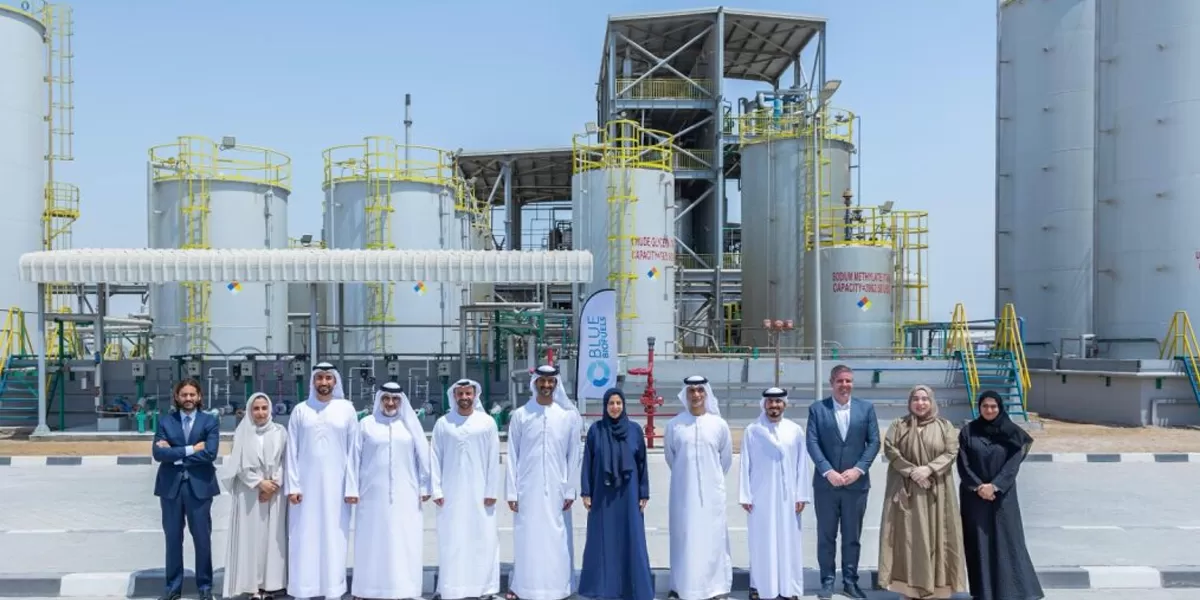
The UAE Circular Economy Council held its second meeting of 2025 at the Blue Biofuels factory in Abu Dhabi, chaired by H.E. Abdulla bin Touq Al Marri, Minister of Economy and Tourism and Chairman of the Council. The meeting was attended by Sheikha Shamma bint Sultan bin Khalifa Al Nahyan, President and CEO of the UAE Independent Climate Change Accelerators (UICCA), alongside other public and private sector members. 

The Council reviewed policy proposals for the second batch of circular economy initiatives under the UAE Circular Economy Agenda 2031, with a focus on sustainable transport, infrastructure, and clean industries. 

Circular economy a key pillar of future economic growth 

H.E. Bin Touq reaffirmed the UAE’s commitment to advancing circular economy policies in line with national development goals. 

“The circular economy is a key pillar of the UAE’s new economic model for the next 50 years, which is built on more diversified and resilient economic components. In this context, we will continue, through the Council, to strengthen cooperation with relevant federal and local government entities as well as the private sector, to accelerate the development of UAE circular economy policies across four main sectors—manufacturing, food, infrastructure, and transportation—ensuring the optimal utilization of natural and financial resources,” he said. 

Role of private sector and local innovation 

His Excellency emphasised the importance of private sector involvement, urging businesses to adopt cleaner production methods and circular technologies to reduce environmental pressures and support national sustainability goals. 

Sheikha Shamma added, 

“The circular economy is not just an environmental commitment; it represents a strategic opportunity to achieve long-term, sustainable economic growth. In the UAE, we believe in our ability to transform challenges into achievements, and we continuously strive to empower entrepreneurs and develop innovative solutions that turn waste into valuable resources. We will continue to strengthen collaboration with partners in both the government and private sectors to support policies that advance the circular economy, ensuring sustainable prosperity and environmental responsibility for future generations.” 

Key initiatives and proposals discussed 
  • The Council explored several new initiatives to drive innovation and adoption of circular practices across the economy, including: 
  • Incentives for circular economy projects across infrastructure, transport, and clean manufacturing 
  • Localisation of innovation and technology to boost circular manufacturing 
  • Integrated digital platforms to support circular economy startups and SMEs 
  • A specialised online platform for plastic materials trading, aimed at improving safe recycling and waste management 
  • Strengthening partnerships and international cooperation 
  • The Council reviewed PepsiCo MENA & Pakistan’s presentation on recycled plastics and future opportunities in sustainable materials. 

The meeting concluded with a call to expand regional and global partnerships, particularly in circular economy and climate technology. Participants stressed the importance of exchanging best practices and leveraging international collaboration to inform national strategies and accelerate the UAE’s transition to a resilient, low-waste economy.

The UAE Circular Economy Council held its second meeting of 2025 at the Blue Biofuels factory in Abu Dhabi, chaired by H.E. Abdulla bin Touq Al Marri, Minister of Economy and Tourism and Chairman of the Council. The meeting was attended by Sheikha Shamma bint Sultan bin Khalifa Al Nahyan, President and CEO of the UAE Independent Climate Change Accelerators (UICCA), alongside other public and private sector members. The Council reviewed policy proposals for the second batch of circular economy initiatives under the UAE Circular Economy Agenda 2031, with a focus on sustainable transport, infrastructure, and clean industries. Circular economy a key pillar of future economic growth H.E. Bin Touq reaffirmed the UAE’s commitment to advancing circular economy policies in line with national development goals. “The circular economy is a key pillar of the UAE’s new economic model for the next 50 years, which is built on more diversified and resilient economic components. In this context, we will continue, through the Council, to strengthen cooperation with relevant federal and local government entities as well as the private sector, to accelerate the development of UAE circular economy policies across four main sectors—manufacturing, food, infrastructure, and transportation—ensuring the optimal utilization of natural and financial resources,” he said. Role of private sector and local innovation His Excellency emphasised the importance of private sector involvement, urging businesses to adopt cleaner production methods and circular technologies to reduce environmental pressures and support national sustainability goals. Sheikha Shamma added, “The circular economy is not just an environmental commitment; it represents a strategic opportunity to achieve long-term, sustainable economic growth. In the UAE, we believe in our ability to transform challenges into achievements, and we continuously strive to empower entrepreneurs and develop innovative solutions that turn waste into valuable resources. We will continue to strengthen collaboration with partners in both the government and private sectors to support policies that advance the circular economy, ensuring sustainable prosperity and environmental responsibility for future generations.” Key initiatives and proposals discussed The Council explored several new initiatives to drive innovation and adoption of circular practices across the economy, including: Incentives for circular economy projects across infrastructure, transport, and clean manufacturing Localisation of innovation and technology to boost circular manufacturing Integrated digital platforms to support circular economy startups and SMEs A specialised online platform for plastic materials trading, aimed at improving safe recycling and waste management Strengthening partnerships and international cooperation The Council reviewed PepsiCo MENA & Pakistan’s presentation on recycled plastics and future opportunities in sustainable materials. The meeting concluded with a call to expand regional and global partnerships, particularly in circular economy and climate technology. Participants stressed the importance of exchanging best practices and leveraging international collaboration to inform national strategies and accelerate the UAE’s transition to a resilient, low-waste economy.

Next Story
Building Material

Cement Makers Positive on H2 Demand Outlook

The leading cement producers have posted high single-digit volume growth and better sales realisation in the July–September quarter, setting a positive tone for the second half of FY26. Companies are upbeat on demand prospects, supported by a strong housing sector and continued government spending on major infrastructure projects. UltraTech, Ambuja Cement, Shree Cement, Dalmia Bharat and Nuvoco Vistas recorded revenue growth of up to 18 per cent in the September quarter. The rise was driven by firm realisations, softer input costs and an increased share of premium products. With coal price..

Next Story
Infrastructure Urban

Odisha Targets Role as MSME Hub for Eastern India

Odisha has set its sights on becoming the MSME gateway of eastern India, Chief Minister Mohan Charan Majhi said at the Odisha Industrial Conclave 2025, organised by Laghu Udyog Bharati (LUB). Calling the state a land of possibilities, he noted that Odisha has emerged as a leading destination for micro, small and medium enterprises.He said that reforms such as the Go-Swift single-window system now allow project approvals within a day. Odisha has also invested 6.1 per cent of its GDP in infrastructure development, which is expected to further accelerate industrial and MSME growth.Majhi emphasise..

Next Story
Infrastructure Energy

Coal Ministry Eases Process for Exploration and GR Approvals

The Ministry of Coal has introduced a simplified approval mechanism for exploration programmes and Geological Reports (GRs) for coal and lignite blocks. The reform aims to accelerate exploration activity, reduce procedural delays and strengthen India’s preparedness for rising energy demand.Under the revised process, reports prepared by Notified Accredited Prospecting Agencies (APAs) and peer-reviewed by another accredited agency no longer require approval from the committee set up in January 2022. This marks a major shift towards faster, more transparent and technology-driven exploration.By ..

Advertisement

Subscribe to Our Newsletter

Get daily newsletters around different themes from Construction world.

STAY CONNECTED

Advertisement

Advertisement

Advertisement

Advertisement

Open In App