+
 Bamboo fences in Kolkata’s New Town to be replaced with steel fences
Steel

Bamboo fences in Kolkata’s New Town to be replaced with steel fences

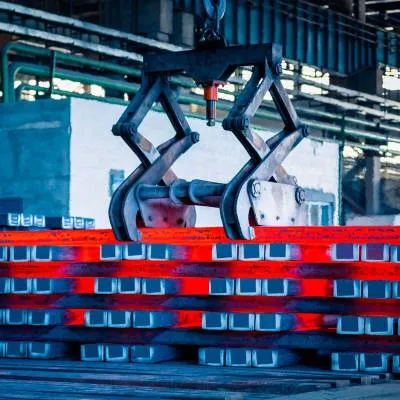
The New Town Kolkata Development Authority (NKDA) is replacing bamboo fences from roadsides and medians in New Town with designer steel fences in sync with the green smart city look.

The authorities also plan to install radio frequency identification (RFID) readers on the steel fences to track waste carrying vehicles are collecting waste at the scheduled time.

Officials told the media that the bamboo fences get easily damaged and uprooted with heavy rains and storms. Many times pedestrians even have to walk over bamboo fences to cross the streets.

Earlier, the traffic police requested the authorities to replace bamboo fences with steel fences. The first permanent steel fence was set up near Eco Space, and then the authorities decided to roll out the plan in other areas.

Officials said that the bamboo fences off the main arterial road and median dividers would be removed in a phased manner with designer steel fencing. After installing the steel fences, it will tag RFID readers with the steel fences and waste carrying vehicles.

The RFID will detect the vehicle and send an alert message to the control room to check the waster carrying vehicles are collecting waste from the waste bin and other places in the township on time.

Earlier, the authorities planned to set up Internet-of-Things (IoT)-enabled smart fencing on the 170 km stretch from Mahisbathan box bridge to Biswa Bangla gate.

The authorities are also working on the smart dustbin monitoring system. It plans to have 50 selected dustbins, each of 240 litres, to ensure 24 hours real-time monitoring. The smart dustbins will have level sensing technology to send an alert once the optimum level of waste is reached.

Image Source

The New Town Kolkata Development Authority (NKDA) is replacing bamboo fences from roadsides and medians in New Town with designer steel fences in sync with the green smart city look. The authorities also plan to install radio frequency identification (RFID) readers on the steel fences to track waste carrying vehicles are collecting waste at the scheduled time. Officials told the media that the bamboo fences get easily damaged and uprooted with heavy rains and storms. Many times pedestrians even have to walk over bamboo fences to cross the streets. Earlier, the traffic police requested the authorities to replace bamboo fences with steel fences. The first permanent steel fence was set up near Eco Space, and then the authorities decided to roll out the plan in other areas. Officials said that the bamboo fences off the main arterial road and median dividers would be removed in a phased manner with designer steel fencing. After installing the steel fences, it will tag RFID readers with the steel fences and waste carrying vehicles. The RFID will detect the vehicle and send an alert message to the control room to check the waster carrying vehicles are collecting waste from the waste bin and other places in the township on time. Earlier, the authorities planned to set up Internet-of-Things (IoT)-enabled smart fencing on the 170 km stretch from Mahisbathan box bridge to Biswa Bangla gate. The authorities are also working on the smart dustbin monitoring system. It plans to have 50 selected dustbins, each of 240 litres, to ensure 24 hours real-time monitoring. The smart dustbins will have level sensing technology to send an alert once the optimum level of waste is reached. Image Source

Next Story
Infrastructure Urban

India Expands Semiconductor Training To 500 Institutions

Under the Chips to Startups programme of the India Semiconductor Mission, the Union minister responsible for Railways, Information and Broadcasting, and Electronics and IT reported notable progress in talent development. He indicated that over the past four years substantial steps have been taken towards a 10-year target of training 85,000 engineers in semiconductor design. World-class EDA tools have been deployed in 315 academic institutions across the country to provide students with practical exposure to chip design. These EDA tools are supported by leading global firms and are accessible t..

Next Story
Infrastructure Urban

Delhi Institutions Support India Semiconductor Mission

The Government of India has prioritised talent development through training, upskilling and workforce development under the Chips to Startups initiative of the India Semiconductor Mission, with officials noting progress in four years towards a 10-year target of training 85,000 engineers in semiconductor design. Electronic design automation tools provided by Synopsys, Cadence, Siemens, Renesas, Ansys and AMD have been deployed in 315 academic institutions, enabling students to gain practical chip design experience. Chips have been fabricated and tested at the Semiconductor Laboratory, Mohali, a..

Next Story
Infrastructure Urban

NHA Announces Winners Of NHCX Hackathon At IIT Hyderabad

The National Health Authority (NHA) has concluded the NHCX Hackathon under the Ayushman Bharat Digital Mission (ABDM) to stimulate innovation around the National Health Claims Exchange (NHCX). The winning teams presented their solutions at the NHCX Innovation Meet held at IIT Hyderabad during a two-day event in March 2026 that also served as the hackathon grand finale. The hackathon itself ran from 22 to 28 February 2026 and aimed to accelerate paperless, transparent claims processing across India. The event was organised with a range of ecosystem partners, including the Insurance Regulatory a..

Advertisement

Subscribe to Our Newsletter

Get daily newsletters around different themes from Construction world.

STAY CONNECTED

Advertisement

Advertisement

Advertisement