AMNS plans to invest Rs 1 trillion in India to expand operations
Steel

AMNS plans to invest Rs 1 trillion in India to expand operations

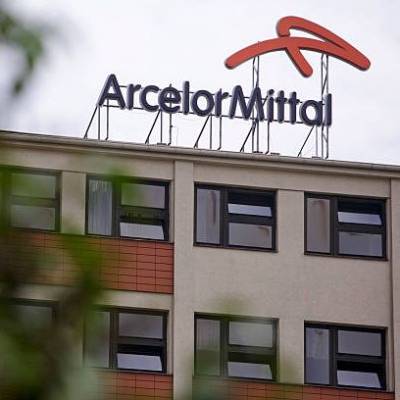
ArcelorMittal Nippon Steel (AMNS) plans to invest about Rs 1 trillion over the next 10 years to expand its operations in India.

In December 2019, ArcelorMittal paid Rs 42,000 crore for Essar Steel India Limited, one of the country's largest stressed-asset transactions. The company then partnered with Nippon Steel, the world's third-largest steelmaker. AMNS India, an integrated flat steel producer with its main facility in Hazira, Gujarat, is the top steel producer in Western India.

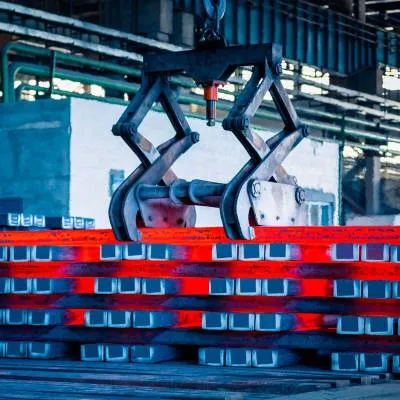
The company has signed a preliminary agreement with the Odisha government to construct a 12 mt steel mill.

India's current capacity is 143.91 mt, and increasing it is seen as critical to the country's self-sufficiency plans.

Steel demand is expected to rise in the country as the government pushes to build infrastructures such as new roads, airports, and railway stations.

As part of its sustainability efforts, AMNS India is diversifying into renewable energy, such as solar and hybrid power.

To produce greener steel, the company's power portfolio includes a significant amount of renewable energy. This also entails increasing energy efficiency, lowering energy consumption, and significantly lowering energy intensity by improving operational efficiency and reusing and recycling steel by-products.

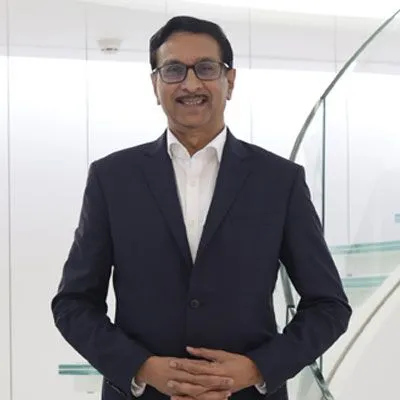
Oommen told the media that since 2015, AMNS India has cut its Carbon dioxide emissions per tonne by 35%.

The firm also wants to have its logistics support in the form of jetties.

The company already has a presence in the power sector, having purchased the Bhander power plant in Hazira, Gujarat, from Edelweiss Asset Reconstruction Co. in March 2020. Bhander is a 500 MW natural gas-fired thermal power plant that will be completely reliant on AMNS India's Hazira operations. It bought Essar Power Odisha, another Essar Steel captive power plant, in January.

The company plans to participate in mine auctions to secure its raw material requirements. To meet its immediate needs, it already has two iron ore mines in Odisha, Thakurani and Sagasahi.

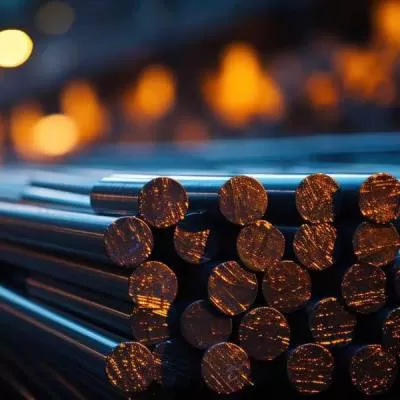
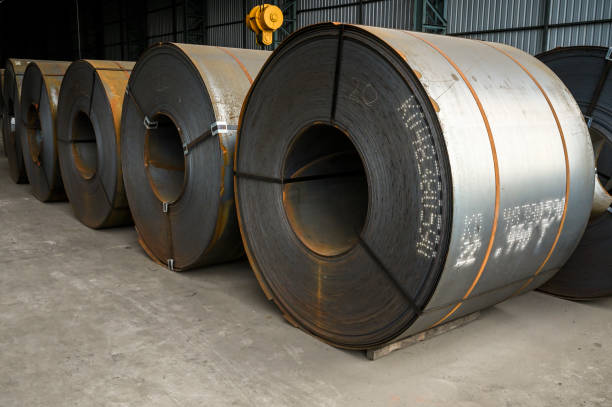
Image Source

Also read: ArcelorMittal Nippon Steel to expand by five mt in three years

ArcelorMittal Nippon Steel (AMNS) plans to invest about Rs 1 trillion over the next 10 years to expand its operations in India. In December 2019, ArcelorMittal paid Rs 42,000 crore for Essar Steel India Limited, one of the country's largest stressed-asset transactions. The company then partnered with Nippon Steel, the world's third-largest steelmaker. AMNS India, an integrated flat steel producer with its main facility in Hazira, Gujarat, is the top steel producer in Western India. The company has signed a preliminary agreement with the Odisha government to construct a 12 mt steel mill. India's current capacity is 143.91 mt, and increasing it is seen as critical to the country's self-sufficiency plans. Steel demand is expected to rise in the country as the government pushes to build infrastructures such as new roads, airports, and railway stations. As part of its sustainability efforts, AMNS India is diversifying into renewable energy, such as solar and hybrid power. To produce greener steel, the company's power portfolio includes a significant amount of renewable energy. This also entails increasing energy efficiency, lowering energy consumption, and significantly lowering energy intensity by improving operational efficiency and reusing and recycling steel by-products. Oommen told the media that since 2015, AMNS India has cut its Carbon dioxide emissions per tonne by 35%. The firm also wants to have its logistics support in the form of jetties. The company already has a presence in the power sector, having purchased the Bhander power plant in Hazira, Gujarat, from Edelweiss Asset Reconstruction Co. in March 2020. Bhander is a 500 MW natural gas-fired thermal power plant that will be completely reliant on AMNS India's Hazira operations. It bought Essar Power Odisha, another Essar Steel captive power plant, in January. The company plans to participate in mine auctions to secure its raw material requirements. To meet its immediate needs, it already has two iron ore mines in Odisha, Thakurani and Sagasahi. Image Source Also read: ArcelorMittal Nippon Steel to expand by five mt in three years

Next Story
Infrastructure Transport

Large Format Store Planned At M G Road Metro Station

M G Road station in Bengaluru is set to host the city’s first large-format commercial and experience space, with planning led by Bangalore Metro Rail Corporation Limited. BMRCL has invited proposals to develop and operate a central business district destination at the Purple?Pink Line interchange. The plan positions the station as a commercial hub designed to serve a broad commuter base across the city. The proposal is part of a broader effort to activate transit nodes commercially. Tender documents set a minimum monthly rental of Rs 0.944 million (mn), inclusive of GST, for the large-format..

Next Story
Infrastructure Energy

Government Cancels Auction Of Eleven Critical Mineral Blocks

The government has cancelled the auction of 11 critical and strategic mineral blocks after receiving a poor investor response and failing to attract a sufficient number of qualified bidders. The decision represents a setback to plans to ramp up domestic exploration and production of critical minerals amid global supply chain disruptions and rising demand for materials used in clean energy and advanced technologies. The mines ministry issued an annulment notice setting out the reasons for the cancellations. The annulment notice indicated that the auction process for five mineral blocks was canc..

Next Story
Infrastructure Energy

Gujarat Pushes Biogas Growth With 193 Operational Units

Gujarat has operationalised 193 biogas plants across the state and is planning to add 60 more units as part of a broader push to scale up clean and sustainable energy solutions. The existing plants, established under various government-supported schemes, process organic waste including cattle dung and agricultural residue to produce biogas and a nutrient-rich slurry. The output is mainly used for cooking and other energy needs in rural and semi-urban communities, while also improving local waste management practices. The Gujarat Energy Development Agency (GEDA) is leading the initiative and is..

Advertisement

Subscribe to Our Newsletter

Get daily newsletters around different themes from Construction world.

STAY CONNECTED

Advertisement

Advertisement

Advertisement