Jindal Steel Drives Coal Gasification For Energy Self-Reliance
Steel

Jindal Steel Drives Coal Gasification For Energy Self-Reliance

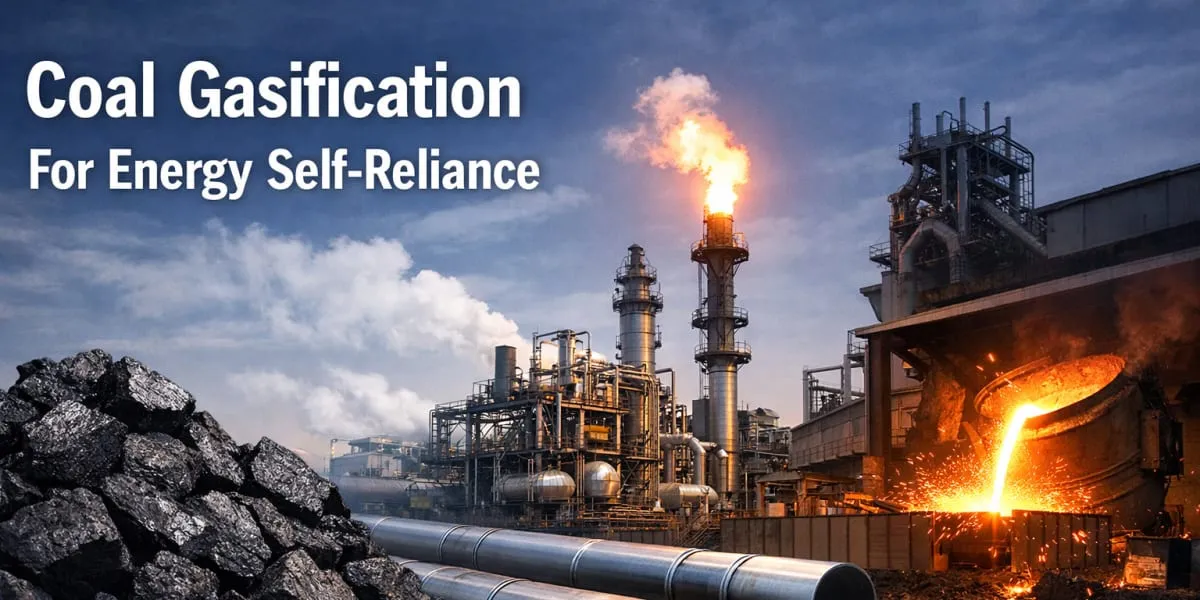
Jindal Steel has pioneered the use of swadeshi coal through advanced coal gasification, establishing India’s first coal gasification based Direct Reduced Iron (DRI) plant that uses synthesis gas (syngas) for iron making. The deployment marked a global first for coal gasification based DRI and represents a strategic shift amid shortages of natural gas, LPG and propane. The company has extended syngas use to galvanising and colour coating line furnaces to mitigate fuel supply disruptions.

Further integration of syngas into the blast furnace has reduced dependence on imported coking coal and lowered carbon emissions per tonne (t) of steel, according to the company. The combined use of syngas across iron making and hot metal processing creates efficiencies along the steelmaking value chain while supporting lower emission intensity. The development sets an industry benchmark for combining energy self reliance with operational resilience.

The firm noted that forward looking policies and incentives, including the National Coal Gasification Mission, are expected to accelerate wider adoption of coal gasification technologies and bolster national energy self reliance. Executive leadership indicated that synthesis gas from swadeshi coal can substitute for imported methanol, ammonia, ammonium nitrate and LNG and that pairing gasification with carbon capture, utilisation and storage will support compliance with carbon border adjustment mechanisms and export competitiveness. This strategy aims to reduce foreign exchange outflow while future proofing low carbon growth.

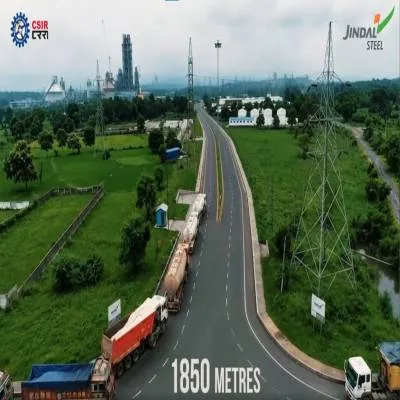
Jindal Steel operates a mine to metal model with state of the art facilities in Angul, Raigarh and Patratu and maintains strategic operations across India and Africa. The company said its investment footprint exceeds Rs 12 billion (bn) and that its integrated resources, manufacturing capability and distribution network underpin supply to infrastructure, construction and manufacturing sectors. By harnessing domestic coal and cleaner gasification routes, the company is advancing Aatmanirbhar Bharat while delivering cost competitive and sustainable steel production.

Jindal Steel has pioneered the use of swadeshi coal through advanced coal gasification, establishing India’s first coal gasification based Direct Reduced Iron (DRI) plant that uses synthesis gas (syngas) for iron making. The deployment marked a global first for coal gasification based DRI and represents a strategic shift amid shortages of natural gas, LPG and propane. The company has extended syngas use to galvanising and colour coating line furnaces to mitigate fuel supply disruptions. Further integration of syngas into the blast furnace has reduced dependence on imported coking coal and lowered carbon emissions per tonne (t) of steel, according to the company. The combined use of syngas across iron making and hot metal processing creates efficiencies along the steelmaking value chain while supporting lower emission intensity. The development sets an industry benchmark for combining energy self reliance with operational resilience. The firm noted that forward looking policies and incentives, including the National Coal Gasification Mission, are expected to accelerate wider adoption of coal gasification technologies and bolster national energy self reliance. Executive leadership indicated that synthesis gas from swadeshi coal can substitute for imported methanol, ammonia, ammonium nitrate and LNG and that pairing gasification with carbon capture, utilisation and storage will support compliance with carbon border adjustment mechanisms and export competitiveness. This strategy aims to reduce foreign exchange outflow while future proofing low carbon growth. Jindal Steel operates a mine to metal model with state of the art facilities in Angul, Raigarh and Patratu and maintains strategic operations across India and Africa. The company said its investment footprint exceeds Rs 12 billion (bn) and that its integrated resources, manufacturing capability and distribution network underpin supply to infrastructure, construction and manufacturing sectors. By harnessing domestic coal and cleaner gasification routes, the company is advancing Aatmanirbhar Bharat while delivering cost competitive and sustainable steel production.

Next Story
Infrastructure Transport

Contracts, Corridors and Cash Flows

India’s roads sector enters 2026 at a decisive junction, where the conversation is no longer about kilometres alone but contracts that allocate risk wisely, corridors that unlock economic value, and cash flows that remain credible over the long term. After more than a decade of relentless expansion, India’s road-building ecosystem is moving into a phase of maturity – where engineering complexity, financial discipline and institutional coordination matter more than sheer scale.Between 2014 and 2024, India built highways at a pace few nations have ever matched. National Highway length expa..

Next Story
Real Estate

The Walled Garden

I am not suggesting Indian architects are inadequate. The profession has produced extraordinary work – from Charles Correa's quiet humanism to Balkrishna Doshi's Nobel-recognised genius. However, the regulatory barriers meant to protect the profession are holding it back. It is time for an honest conversation about this.The Architects Act of 1972 established the Council of Architecture (COA) as the statutory body regulating architecture practice in India. Its founding logic was sound: to ensure those calling themselves architects meet a minimum standard of competence and to protect the publi..

Next Story
Real Estate

We completed a 1BHK home on a private island in 7 days!

Reimagining construction through a ‘War on Waste’, Circato founders T Paul Koshy, Sushma Joseph and Praveen Crasta speak to CW on turning single-use plastic into high-performance building systems – demonstrated at Bengaluru International Airport with a 16-ft wall installed in just 48 hours.What specific gap in the construction ecosystem led to the creation of Circato?Sushma Joseph: We felt the industry had normalised inefficiency. In construction, timelines, costs and outcomes often remain uncertain, yet that is widely accepted. We wanted to show that inefficiencies can be..

Advertisement

Subscribe to Our Newsletter

Get daily newsletters around different themes from Construction world.

STAY CONNECTED

Advertisement

Advertisement

Advertisement