
Q4 profit: Jindal Stainless reports a 34.6% fall
Steel

Q4 profit: Jindal Stainless reports a 34.6% fall

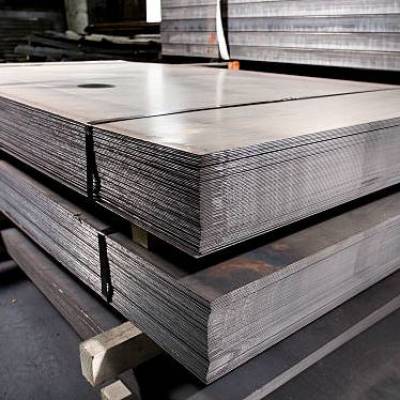
On account of lower steel prices and weak international demand, India's Jindal Stainless reported a 34.6% fall in fourth-quarter profit.

The country's biggest stainless steel maker by volumes posted a consolidated net profit of $60 million for the quarter end. Despite robust demand for steel from the construction and automotive sectors of one of the world's fastest-growing economies, manufacturers have been grappling with the impact of declining steel prices.

At the conclusion of the quarter, the nation's largest producer of stainless steel by volume reported a combined net profit of $60 million. In one of the fastest-growing economies in the world, the construction and automotive industries have strong demand for steel, but manufacturers have been struggling with the impact of falling steel prices.

Construction and transport supplier Jindal reported a 3.2% decline in operating revenue to Rs 94.54 billion for the quarter. Important export markets, including the U.S. and Europe, remained poor, despite the fact that sales volumes for the quarter increased 12% year over year due to robust domestic demand.

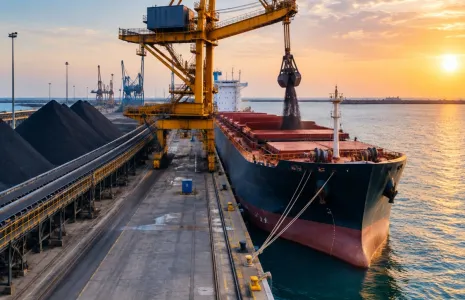
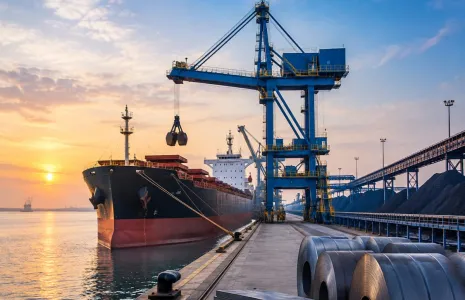
During the quarter, the Red Sea situation caused a sharp rise in maritime freight and limited container availability, which in turn compressed profits. According to managing director Abhyuday Jindal, the crisis also caused the firm to lose certain clients because of delivery delays. This was stated in a news conference following the results.

The firm reported that while it has observed a resurgence in certain product categories in Europe, the U.S. market has not yet shown signs of recovery. Additionally, the business wants to increase its presence in the Middle East and South America.

The Indian government and the stainless steel manufacturer were also in discussions on the importation of Chinese stainless steel into India. For the fiscal year 2023?2024, the Jindal Stainless Board suggested paying a dividend of two rupees per share. Ahead of the announcement, the manufacturer of stainless steel's shares finished 4% down.

On account of lower steel prices and weak international demand, India's Jindal Stainless reported a 34.6% fall in fourth-quarter profit. The country's biggest stainless steel maker by volumes posted a consolidated net profit of $60 million for the quarter end. Despite robust demand for steel from the construction and automotive sectors of one of the world's fastest-growing economies, manufacturers have been grappling with the impact of declining steel prices. At the conclusion of the quarter, the nation's largest producer of stainless steel by volume reported a combined net profit of $60 million. In one of the fastest-growing economies in the world, the construction and automotive industries have strong demand for steel, but manufacturers have been struggling with the impact of falling steel prices. Construction and transport supplier Jindal reported a 3.2% decline in operating revenue to Rs 94.54 billion for the quarter. Important export markets, including the U.S. and Europe, remained poor, despite the fact that sales volumes for the quarter increased 12% year over year due to robust domestic demand. During the quarter, the Red Sea situation caused a sharp rise in maritime freight and limited container availability, which in turn compressed profits. According to managing director Abhyuday Jindal, the crisis also caused the firm to lose certain clients because of delivery delays. This was stated in a news conference following the results. The firm reported that while it has observed a resurgence in certain product categories in Europe, the U.S. market has not yet shown signs of recovery. Additionally, the business wants to increase its presence in the Middle East and South America. The Indian government and the stainless steel manufacturer were also in discussions on the importation of Chinese stainless steel into India. For the fiscal year 2023?2024, the Jindal Stainless Board suggested paying a dividend of two rupees per share. Ahead of the announcement, the manufacturer of stainless steel's shares finished 4% down.

Next Story
Infrastructure Energy

Moro Hub and PwC Middle East Partner to Accelerate Smart City Solutions

Moro Hub, a subsidiary of Digital DEWA, the digital arm of Dubai Electricity and Water Authority (DEWA), has announced a strategic collaboration with PwC Middle East to advance Smart City, Integrated Command Centre (ICC), Critical Infrastructure Monitoring and Internet of Things (IoT) initiatives across the region. The partnership brings together Moro Hub’s digital infrastructure and IoT capabilities with PwC’s global expertise in digital trust, smart city strategy and cybersecurity to support the UAE’s vision for intelligent and sustainable cities.“Our collaboration with PwC Middle Ea..

Next Story
Equipment

ABB India Unveils ACS380-E Drive for High-Performance Automation

ABB India has launched the ACS380-E drive, a next-generation machinery drive designed for automation-centric machine building, adding to its all-compatible drive portfolio. The solution simplifies machine integration and is future-proofed for industrial automation with advanced connectivity, faster commissioning and built-in cybersecurity capabilities.The ACS380-E features integrated dual Ethernet ports for plug-and-play communication with all major industrial automation networks, eliminating the need for separate modules and reducing installation complexity. The drive also supports fast USB-C..

Next Story
Building Material

Cement Makers Positive on H2 Demand Outlook

The leading cement producers have posted high single-digit volume growth and better sales realisation in the July–September quarter, setting a positive tone for the second half of FY26. Companies are upbeat on demand prospects, supported by a strong housing sector and continued government spending on major infrastructure projects. UltraTech, Ambuja Cement, Shree Cement, Dalmia Bharat and Nuvoco Vistas recorded revenue growth of up to 18 per cent in the September quarter. The rise was driven by firm realisations, softer input costs and an increased share of premium products. With coal price..

Advertisement

Subscribe to Our Newsletter

Get daily newsletters around different themes from Construction world.

STAY CONNECTED

Advertisement

Advertisement

Advertisement

Advertisement

Open In App