


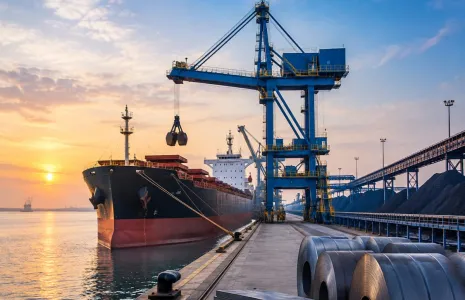
Steel minister inaugurates Steel Week at Expo 2020 in Dubai
Steel

Steel minister inaugurates Steel Week at Expo 2020 in Dubai

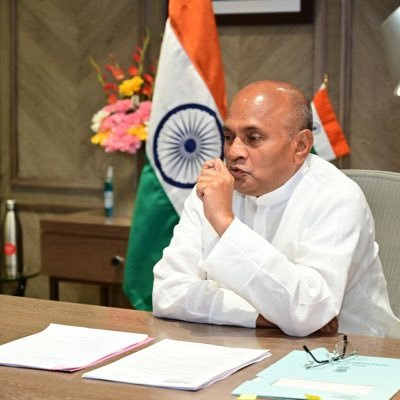
The minister of steel, Ram Chandra Prasad Singh, inaugurated Steel Week at the Indian Pavilion at Expo 2020 in Dubai earlier this month.

The event showcases the potential of India in the sector and invites investors from the UAE, said the Union government.

The event, reflecting India’s push for new investments in the sector, happened against the backdrop of ongoing unrest against a recently proposed steel plant near the Paradip port in Jagatsinghpur district, Odisha.

India's aggressive push for new steel represents everything askew with developmental ambitions, its global role in mitigating carbon emissions, its pretence about safeguarding the rights of indigenous communities, and its regard for public health and safety.

Moreover, the steel ministry is pushing for new investments when the production capacity of the country is already more than its current production and demand.

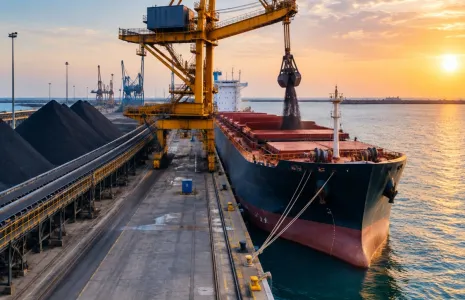
The integrated steel plant, with a production capacity of 13.2 million tonnes per annum (mtpa), will be supported by a 900-MW captive power plant that is proposed to be constructed by JSW Utkal Steel Limited. The Rs 65,000-crore project will need about 3,000 acres of common lands. The project will also have a cement plant of 10 mtpa and captive jetties with a handling capacity of 52 mtpa.

The project is proposed to be constructed at the same site where a South Korean company, POCSO, was to build a steel plant. The memorandum of understanding (MoU) between POCSO and the Odisha state government, signed in 2005, was greeted with stiff resistance from the locals. The conflict continued until 2016, leaving 10 civilians injured by the state’s security forces.

The movement pushed the National Green Tribunal for an environmental clearance relook given to the project. In its order in 2016, the tribunal criticised the government for considering only 4 mtpa in its environmental impact assessment while the project’s capacity was 12 mtpa.

Image Source

Also read: India produces 120 mt of crude steel in 2022: Steel Minister

"Join industry leaders at RAHSTA Expo, India's premier platform for roads, highways and traffic infrastructure. Register now to explore innovations, network with experts and shape the future of mobility."

The minister of steel, Ram Chandra Prasad Singh, inaugurated Steel Week at the Indian Pavilion at Expo 2020 in Dubai earlier this month. The event showcases the potential of India in the sector and invites investors from the UAE, said the Union government. The event, reflecting India’s push for new investments in the sector, happened against the backdrop of ongoing unrest against a recently proposed steel plant near the Paradip port in Jagatsinghpur district, Odisha. India's aggressive push for new steel represents everything askew with developmental ambitions, its global role in mitigating carbon emissions, its pretence about safeguarding the rights of indigenous communities, and its regard for public health and safety. Moreover, the steel ministry is pushing for new investments when the production capacity of the country is already more than its current production and demand. The integrated steel plant, with a production capacity of 13.2 million tonnes per annum (mtpa), will be supported by a 900-MW captive power plant that is proposed to be constructed by JSW Utkal Steel Limited. The Rs 65,000-crore project will need about 3,000 acres of common lands. The project will also have a cement plant of 10 mtpa and captive jetties with a handling capacity of 52 mtpa. The project is proposed to be constructed at the same site where a South Korean company, POCSO, was to build a steel plant. The memorandum of understanding (MoU) between POCSO and the Odisha state government, signed in 2005, was greeted with stiff resistance from the locals. The conflict continued until 2016, leaving 10 civilians injured by the state’s security forces. The movement pushed the National Green Tribunal for an environmental clearance relook given to the project. In its order in 2016, the tribunal criticised the government for considering only 4 mtpa in its environmental impact assessment while the project’s capacity was 12 mtpa. Image Source Also read: India produces 120 mt of crude steel in 2022: Steel Minister

Next Story
Real Estate

Pecan Realty Completes Rs 1.5 Billion Transactions

Pecan Realty has recently completed four institutional transactions worth over Rs 1.5 billion over the past two years, strengthening its position as an execution-led real estate platform. The deals include resolution-led acquisitions, structured finance transactions and capital partnerships across its development portfolio.The transactions covered acquisitions through the National Company Law Tribunal process and helped provide repayment or exits to both private and public sector lenders. The company said the deals demonstrate its ability to resolve complex project situations, work with instit..

Next Story
Real Estate

SNN Estates Expands North Bengaluru Housing Project

SNN Estates has announced an expansion of its SNN Estates Felicity residential project in North Bengaluru following strong buyer demand, with 75 per cent of the first-phase inventory sold within three days of launch.The developer will add 76 apartments in the new phase, taking the project's estimated revenue potential to around Rs 1,000 crore upon completion of Phase 2.Spread across 6.5 acres in Rachenahalli, near Manyata Tech Park, the project comprises 604 apartments in 1.5, 2, 2.5, 3 and 4 BHK configurations. The development includes a 50,000-sq-ft clubhouse with amenities such as sports co..

Next Story
Infrastructure Urban

SCG Drives ASEAN Industrial Transformation Strategy

SCG is strengthening its focus on ASEAN as a key growth region by advancing industrial transformation, enhancing competitiveness and building resilient regional value chains. Thammasak Sethaudom, President and Chief Executive Officer, SCG, highlighted the need for industries to continuously develop capabilities, strengthen resilience and deepen regional cooperation to achieve sustainable long-term growth.SCG views ASEAN as an important growth engine alongside China, supported by favourable demographics, trade connectivity and investment flows. With ASEAN’s GDP projected to grow by around 4.7..

Advertisement

Subscribe to Our Newsletter

Get daily newsletters around different themes from Construction world.

STAY CONNECTED

Advertisement

Advertisement

Advertisement