Steeling The Show
Steel

Steeling The Show

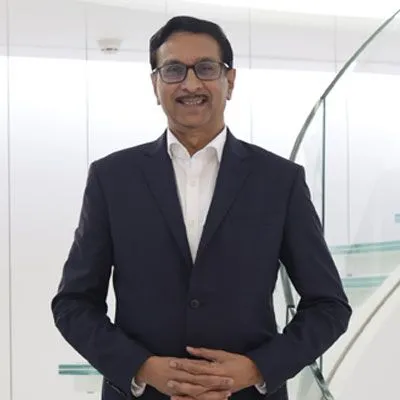
The per-capita consumption of steel in India has increased from 56 kg to 68 kg in the past decade. This progression reflects the ~7 per cent growth in steel demand in the last couple of years, according to Vikram Amin, Executive Director (Sales & Marketing), Essar Steel.

As India moves towards a consumption-based economy, the demand for steel is bound to grow, says Amin. The big question: At what rate might the steel industry grow?

Well, domestic steel consumption is expected to grow by 7 per cent during FY 2020, largely driven by the Government’s focus on the infrastructure sector, according to an ICRA report.

Saying 7 per cent is a conservative estimate, Alakesh Roy, Managing Director, Zamil Steel, says growth is more likely to touch 12 per cent on the back of expansion in factory orders and infrastructure spending. “Industrial demand, which was dormant for quite some preceding months, is now picking up and spurring capacity expansions in factories,” he avers. “Zamil Steel India is geared up to take up these anticipated growth avenues; it has augmented its production and service capacity to 100,000 mtpa.”

As demand for steel normally grows at 1.5x the GDP growth of the country, Amin believes 7-8 per cent growth in the next couple of years is fair to assume. He expects the infrastructure, railways, construction, auto, earthmoving equipment and energy sectors to generate decent demand for steel, while defence is also an emerging major demand driver.

“We project 7 to 10 per cent growth in the consumption of steel in the years to come,” says Nikhil Bothra, Director, Epack Polymers.
“If GDP grows at 7 per cent, the pre-engineered steel building industry should see double-digit growth,” says S Krishnakumar, Chief Executive-Building Solutions, Everest Industries, calling steel the new boom in construction.

“We are optimistic about growth, but to be conservative we agree with ICRA’s projection,” says Idris Rajkotwala, Executive Director, United Access Floors. “We are expecting 8-9 per cent growth.”
“We’re not bullish in our outlook for the first six months of this year,” says Amod Barve, CEO, Volta Green Structures. “Demand for steel in India will see moderate growth because the country isn’t isolated from global events such as the slowdown in China, the trade war between US and China, the looming Brexit, and the impact of general elections internally. However, things will improve after September.” 

- CHARU BAHRI

The per-capita consumption of steel in India has increased from 56 kg to 68 kg in the past decade. This progression reflects the ~7 per cent growth in steel demand in the last couple of years, according to Vikram Amin, Executive Director (Sales & Marketing), Essar Steel.As India moves towards a consumption-based economy, the demand for steel is bound to grow, says Amin. The big question: At what rate might the steel industry grow?Well, domestic steel consumption is expected to grow by 7 per cent during FY 2020, largely driven by the Government’s focus on the infrastructure sector, according to an ICRA report.Saying 7 per cent is a conservative estimate, Alakesh Roy, Managing Director, Zamil Steel, says growth is more likely to touch 12 per cent on the back of expansion in factory orders and infrastructure spending. “Industrial demand, which was dormant for quite some preceding months, is now picking up and spurring capacity expansions in factories,” he avers. “Zamil Steel India is geared up to take up these anticipated growth avenues; it has augmented its production and service capacity to 100,000 mtpa.”As demand for steel normally grows at 1.5x the GDP growth of the country, Amin believes 7-8 per cent growth in the next couple of years is fair to assume. He expects the infrastructure, railways, construction, auto, earthmoving equipment and energy sectors to generate decent demand for steel, while defence is also an emerging major demand driver.“We project 7 to 10 per cent growth in the consumption of steel in the years to come,” says Nikhil Bothra, Director, Epack Polymers. “If GDP grows at 7 per cent, the pre-engineered steel building industry should see double-digit growth,” says S Krishnakumar, Chief Executive-Building Solutions, Everest Industries, calling steel the new boom in construction.“We are optimistic about growth, but to be conservative we agree with ICRA’s projection,” says Idris Rajkotwala, Executive Director, United Access Floors. “We are expecting 8-9 per cent growth.”“We’re not bullish in our outlook for the first six months of this year,” says Amod Barve, CEO, Volta Green Structures. “Demand for steel in India will see moderate growth because the country isn’t isolated from global events such as the slowdown in China, the trade war between US and China, the looming Brexit, and the impact of general elections internally. However, things will improve after September.” - CHARU BAHRI

Next Story
Resources

Jyoti Structures Launches Heat Safety Drive Across Sites

Jyoti Structures (JSL) has strengthened heat safety measures across its project sites and manufacturing facilities as temperatures rise across India. The company has implemented a Summer Safety Plan covering all transmission line projects to address risks related to heat stress, dehydration and worker fatigue.The initiative includes rescheduling work away from peak afternoon temperatures, provision of drinking water, ORS and lemon-salt solutions, and installation of rest shelters near work areas. Daily toolbox talks, worker health monitoring, first-aid preparedness, emergency transport arrange..

Next Story
Real Estate

MHADA Declares 82 Buildings Most Dangerous in Central and South Mumbai

The Maharashtra Housing and Area Development Authority (MHADA) has declared 82 buildings as most dangerous across Central and South Mumbai and has appealed to residents to vacate immediately. The list, prepared after structural assessments by the authority, identifies buildings judged to pose imminent risk to occupants and to passersby. Local civic bodies have been asked to coordinate evacuations and to make arrangements for temporary shelter and rehabilitation for displaced households. Officials said the authority prioritised buildings with visible structural distress, severe cracking, tiltin..

Next Story
Infrastructure Transport

Damage Reported At Halwara Airport Terminal After First Rains

Severe damage was reported at the terminal of Halwara Airport during the first major rain spell of the season, prompting immediate concern among aviation and local authorities. Images from the site showed water ingress and visible deterioration of the terminal interior, affecting passenger areas and ancillary services. The airport authority suspended certain operations temporarily to assess structural safety and ensure passenger wellbeing. Preliminary inspections have prioritised electrical systems and roof seals to prevent further water ingress. State aviation officials ordered a formal inqui..

Advertisement

Subscribe to Our Newsletter

Get daily newsletters around different themes from Construction world.

STAY CONNECTED

Advertisement

Advertisement

Advertisement

-->