85 National Highway Projects Delayed Over Three Years
ROADS & HIGHWAYS

85 National Highway Projects Delayed Over Three Years

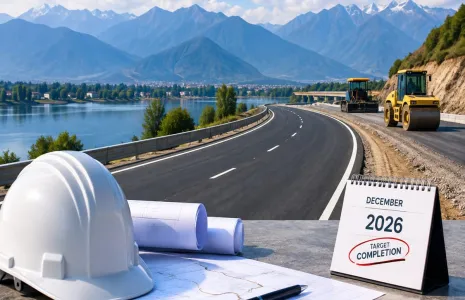
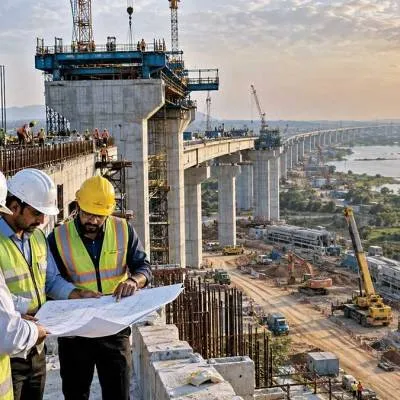
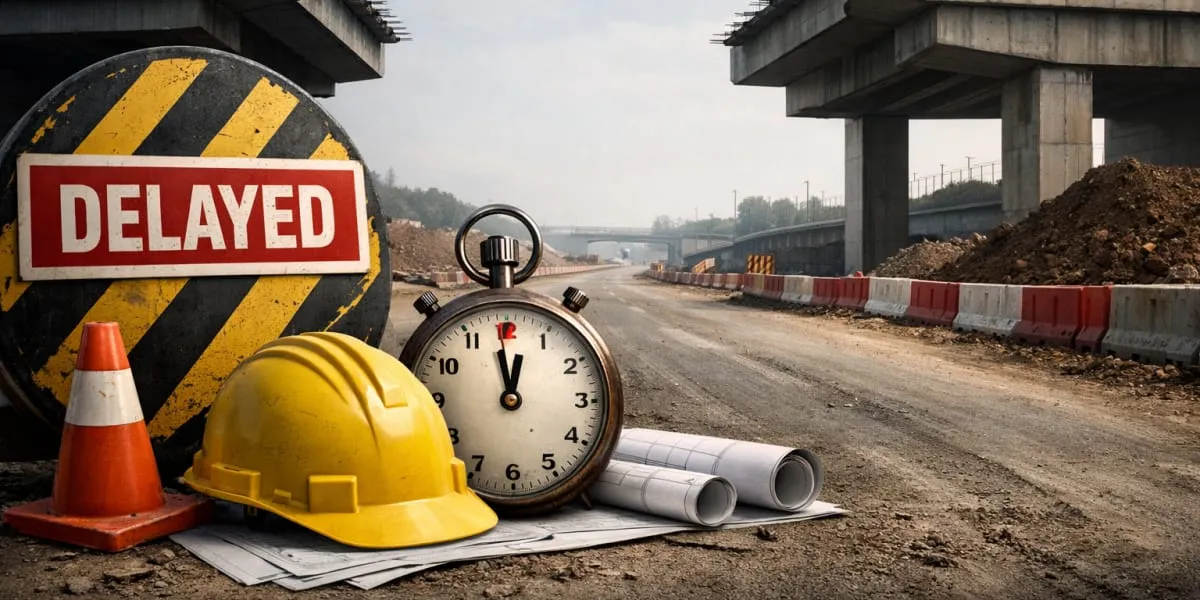
On March 18 the Road, Transport and Highways Minister Nitin Gadkari informed the Rajya Sabha that 85 under-construction national highway projects are delayed by more than three years. The assessment is based on available data and encompasses projects at various stages of execution. The minister attributed the prolonged slippage to multiple systemic challenges affecting project delivery. The disclosure formed part of routine parliamentary responses on infrastructure status and followed queries on project timelines.

He identified bottlenecks relating to land acquisition, statutory clearances and permissions, utility shifting, removal of encroachments and law and order issues as principal causes of delay. These impediments have disrupted schedules and increased the risk of cost escalation for affected projects. Complex coordination requirements among central and state agencies and other stakeholders have further complicated timely completion. The cumulative effect has been slower delivery of road connectivity and deferred benefits for communities and commerce along affected routes.

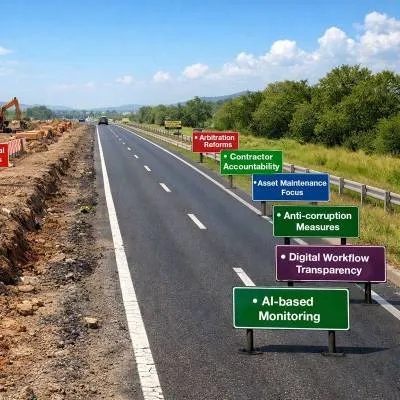
The government has undertaken various initiatives to prevent recurrence of delays and to manage costs, the minister said in a written reply. Measures emphasise strengthening monitoring frameworks, improving coordination between levels of government and streamlining clearance processes to expedite progress. Implementing agencies and contractors are being urged to enhance planning, risk management and responsiveness to on?site contingencies. Authorities are reported to favour greater use of monitoring tools and periodic reviews to identify emerging bottlenecks early.

Officials indicated that sustained oversight and prompt remedial action are necessary to restore momentum on delayed corridors and to ensure that infrastructure investments yield intended connectivity and economic benefits. Continued reporting to the legislature and regular review of project status are expected to remain central to these efforts. The response in the Upper House reflects ongoing parliamentary scrutiny of execution challenges affecting national highway delivery.

On March 18 the Road, Transport and Highways Minister Nitin Gadkari informed the Rajya Sabha that 85 under-construction national highway projects are delayed by more than three years. The assessment is based on available data and encompasses projects at various stages of execution. The minister attributed the prolonged slippage to multiple systemic challenges affecting project delivery. The disclosure formed part of routine parliamentary responses on infrastructure status and followed queries on project timelines. He identified bottlenecks relating to land acquisition, statutory clearances and permissions, utility shifting, removal of encroachments and law and order issues as principal causes of delay. These impediments have disrupted schedules and increased the risk of cost escalation for affected projects. Complex coordination requirements among central and state agencies and other stakeholders have further complicated timely completion. The cumulative effect has been slower delivery of road connectivity and deferred benefits for communities and commerce along affected routes. The government has undertaken various initiatives to prevent recurrence of delays and to manage costs, the minister said in a written reply. Measures emphasise strengthening monitoring frameworks, improving coordination between levels of government and streamlining clearance processes to expedite progress. Implementing agencies and contractors are being urged to enhance planning, risk management and responsiveness to on?site contingencies. Authorities are reported to favour greater use of monitoring tools and periodic reviews to identify emerging bottlenecks early. Officials indicated that sustained oversight and prompt remedial action are necessary to restore momentum on delayed corridors and to ensure that infrastructure investments yield intended connectivity and economic benefits. Continued reporting to the legislature and regular review of project status are expected to remain central to these efforts. The response in the Upper House reflects ongoing parliamentary scrutiny of execution challenges affecting national highway delivery.

Next Story
Infrastructure Transport

The Critical Path

In Ircon International Ltd v. Afcons Infrastructure Ltd, OMP (Comm) 279/2019, the Delhi High Court examined how delay and extension of time (‘EOT’) are to be assessed in construction contracts, particularly in the context of the ‘critical path’ while dealing with challenge to an arbitral award under Section 34 of the Arbitration and Conciliation Act 1996 (‘the Act’). The High Court’s observations regarding the critical path are of significant import for construction and infrastructure projects and related arbitration. The parties entered into a contract for construction of T..

Next Story
Infrastructure Urban

Urgently Wanted: 2 Million Workers!

Construction, India’s second largest employer by industry, employs about 50 million workers but could additionally absorb another 40 million workers, according to estimates shared by the Construction Skill Development Council of India (CSDCI) in 2023. Within this, citing trade estimates, Rahul Bahl, Managing Director, Krishna Buildestates, says the shortage of trained, skilled workers is currently about 2 million, and is expected to rise to 5 million by 2030.Not only is the construction industry struggling to find workers but construction labour productivity in India significantly trails g..

Next Story
Real Estate

144 Years in the Making!

1. A century-spanning construction storyConstruction began in 1882, making the Sagrada Família one of the longest-running architectural projects in modern history. Today, the project is overseen by the Fundació Junta Constructora del Temple Expiatori de la Sagrada Família, with Chief Architect Jordi Faulí leading its final construction phases.2. The world’s tallest church towerhe Sagrada Família in Barcelona reached its final height of 172.5 m (566 ft) on February 20, 2026, with the installation of the cross atop the Tower of Jesus Christ, making it the tallest church in the world...To ..

Advertisement

Subscribe to Our Newsletter

Get daily newsletters around different themes from Construction world.

STAY CONNECTED

Advertisement

Advertisement

Advertisement