Chennai-Bengaluru expressway tender features
ROADS & HIGHWAYS

Chennai-Bengaluru expressway tender features

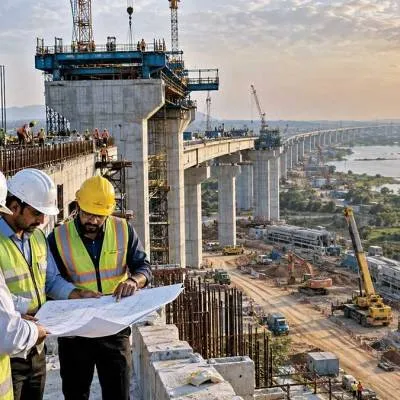
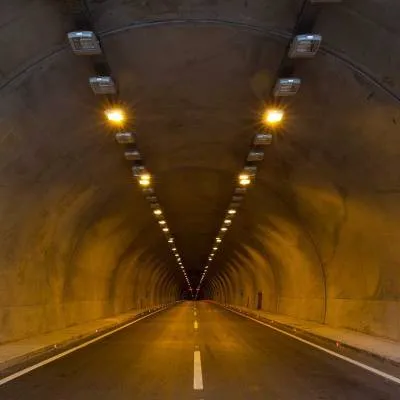
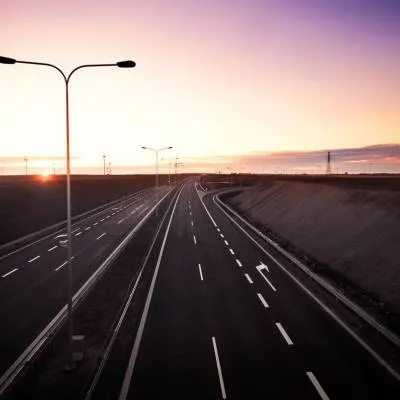
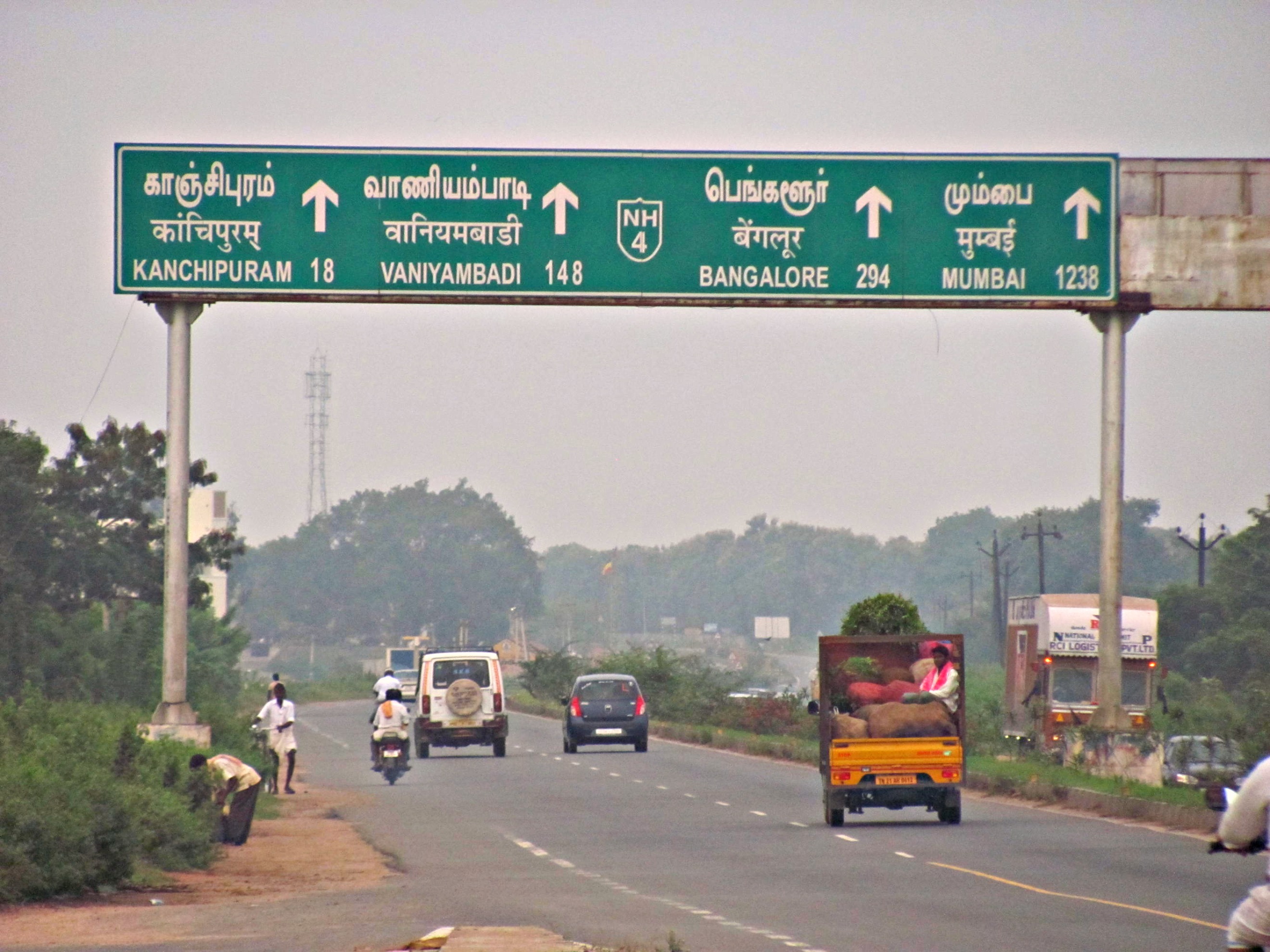
The National Highways Authority of India (NHAI), as part of the Bharatmala scheme, has floated a tender for Phase III of Chennai-Bengaluru Expressway project. As per NHAI, the construction of the four-lane road between Kanchipuram and Arakkonam is estimated to cost Rs 858.93 billion. The 240 km expressway will pass through several industrial and mining corridors, including the Sriperumbudur and Kolar Gold Fields.

The tenders which were opened on October 28 will be closed on 14 December. One can take part in this international competitive bidding process through NHAI's e-tendering portal (https://etenders.gov.in). A deadline of exactly 730 days has been set to complete the project for the concessionaire.

Per NHAI, some salient features of the Bengaluru-Chennai expressway project will be:

  • Advanced Traffic Management System (ADMS) which aims to provide uninterrupted traffic flow, real-time information for users and 24X7 emergency assistance. Furthermore, ADMC aims to offer automatic vehicle classification before they enter the toll lanes to ensure that cars do not wait behind huge trucks. Trucks would be provided with a separate wider and longer lane for the toll. <.li>
  • A traffic volume would be displayed on a board placed near the proposed toll gate.
  • An emergency call booth within every 2 km mark along with CCTV cameras in various points. It would help to monitor vehicular movement round the clock to make tracking accidents and other crimes easier and accessible. Presently, surveillance cameras are installed only at toll plazas.
  • Phase III would be stretched over 25 km with no flyovers. Instead, it would cross seven major bridges over different local water bodies and a railway overbridge based near Govindavadi.
  • The successful bidder would report all accidents or road damage by three days and to restore the damage within 15 days.
  • Currently, most vehicles take at least 6 hours 30 minutes to cover the 350 km journey on the Vellore-Krishnagiri-Hosur route. On completion of the expressway project, the travel time is expected to get reduced by at least 90 minutes.

    See CW’s earlier report, “Bids opened for Bangalore-Chennai Expressway”.

    The National Highways Authority of India (NHAI), as part of the Bharatmala scheme, has floated a tender for Phase III of Chennai-Bengaluru Expressway project. As per NHAI, the construction of the four-lane road between Kanchipuram and Arakkonam is estimated to cost Rs 858.93 billion. The 240 km expressway will pass through several industrial and mining corridors, including the Sriperumbudur and Kolar Gold Fields. The tenders which were opened on October 28 will be closed on 14 December. One can take part in this international competitive bidding process through NHAI's e-tendering portal (https://etenders.gov.in). A deadline of exactly 730 days has been set to complete the project for the concessionaire. Per NHAI, some salient features of the Bengaluru-Chennai expressway project will be: Advanced Traffic Management System (ADMS) which aims to provide uninterrupted traffic flow, real-time information for users and 24X7 emergency assistance. Furthermore, ADMC aims to offer automatic vehicle classification before they enter the toll lanes to ensure that cars do not wait behind huge trucks. Trucks would be provided with a separate wider and longer lane for the toll. <.li> A traffic volume would be displayed on a board placed near the proposed toll gate. An emergency call booth within every 2 km mark along with CCTV cameras in various points. It would help to monitor vehicular movement round the clock to make tracking accidents and other crimes easier and accessible. Presently, surveillance cameras are installed only at toll plazas. Phase III would be stretched over 25 km with no flyovers. Instead, it would cross seven major bridges over different local water bodies and a railway overbridge based near Govindavadi. The successful bidder would report all accidents or road damage by three days and to restore the damage within 15 days. Currently, most vehicles take at least 6 hours 30 minutes to cover the 350 km journey on the Vellore-Krishnagiri-Hosur route. On completion of the expressway project, the travel time is expected to get reduced by at least 90 minutes. See CW’s earlier report, “Bids opened for Bangalore-Chennai Expressway”.

    Next Story
    Infrastructure Urban

    Mount Invests Rs 250 Cr, Adds PUF & PEB Plants, 400+ Jobs

    TUMKUR, Karnataka, January 8, 2025 - Mount Roofing & Structures Private Limited, one of India's  fastest-growing manufacturers in PUF and a leading solutions provider across Pre-Engineered Building  (PEB) and Polycarbonate sheets, simultaneously inaugurated its second fully automated continuous  Sandwich Panel manufacturing line and a new PEB manufacturing plant at its integrated campus in  Tumkur." The milestone expansion, part of a total investment of INR 250 crores, marks a significant  advancement in the company's commitment to engineered performance, manu..

    Next Story
    Infrastructure Urban

    Titan Intech Strengthens UltraLED Push With Global LED Veteran

    Titan Intech has announced the induction of global LED industry veteran Su Piow Ko to its Board of Directors, marking a strategic step in strengthening its UltraLED Displays roadmap and building globally competitive LED display solutions from India.The appointment aligns with Titan Intech’s ambition to position India as a hub for advanced, high-quality LED display manufacturing. With an increased focus on UltraLED Displays, the company aims to enhance technical governance, raise manufacturing standards and expand its presence across global markets.Su Piow Ko brings over three decades of inte..

    Next Story
    Infrastructure Urban

    Dun & Bradstreet Flags New Growth Engines in India 2026 Outlook

    Dun & Bradstreet has released its India 2026: D&B’s Perspective report, projecting a stable macroeconomic environment underpinned by fresh opportunities for productivity-led and inclusive growth. The report outlines how India’s next growth phase will be driven by digitised logistics, trusted data ecosystems, clean energy and rising city vitality.According to the outlook, India’s GDP growth is expected to reach around 6.6 per cent by FY2027, supported by resilient consumer demand and sustained public investment. Manufacturing is seen entering a new phase, moving beyond scale towar..

    Advertisement

    Subscribe to Our Newsletter

    Get daily newsletters around different themes from Construction world.

    STAY CONNECTED

    Advertisement

    Advertisement

    Advertisement

    Advertisement

    Open In App