Delhi Mumbai Expressway Explained
ROADS & HIGHWAYS

Delhi Mumbai Expressway Explained

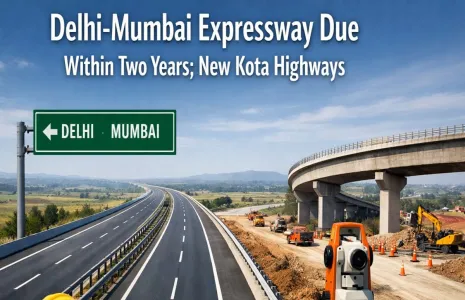
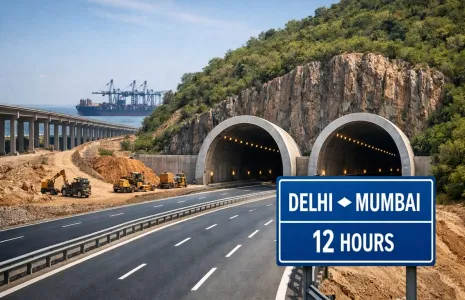
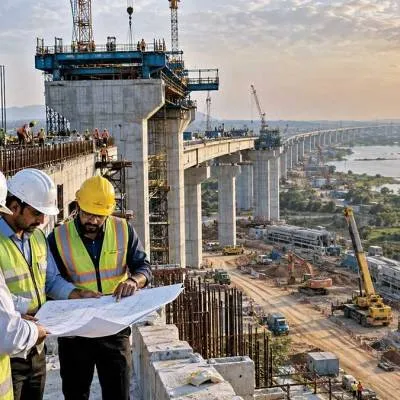
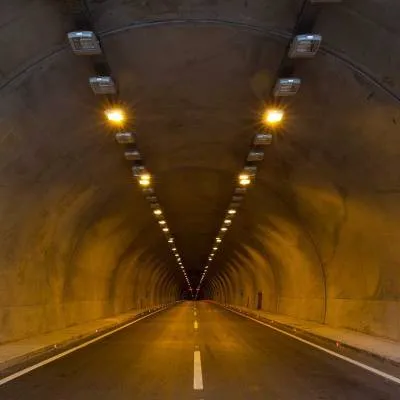
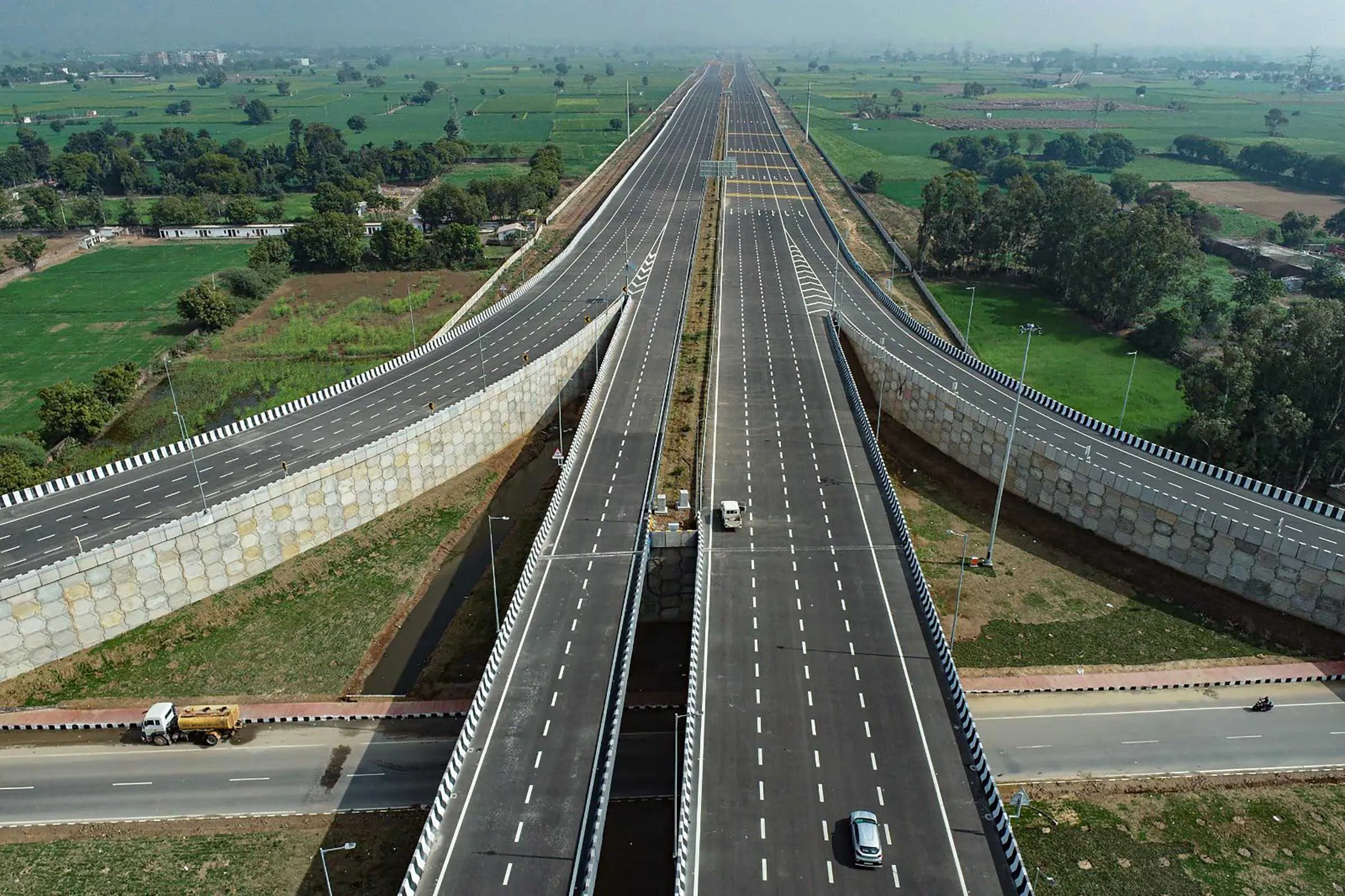
The Delhi Mumbai Expressway is India’s largest greenfield, access controlled highway connecting Delhi and Mumbai. Stretching about 1,300 kilometres, it forms a high-speed corridor intended to improve freight movement and passenger travel. The project is being delivered in phases with multiple package contracts and significant engineering works including tunnels and bridges.

The expressway is six to eight lanes with provision for expansion and intercepts major national highways, airports and industrial nodes. Design standards aim for higher axle loads and service facilities such as logistic parks, toll plazas and emergency response systems. The use of modern construction techniques and materials is intended to enhance durability and reduce lifecycle maintenance.

Planners state the expressway will cut travel time between the two cities substantially and strengthen supply chains by offering reliable transit and lower vehicle operating costs. The corridor is integrated with planned economic zones and industrial clusters to attract investment and decentralise manufacturing and logistic activities. Ancillary development along the route is projected to create jobs and improve regional connectivity.

The project is managed by national highway authorities in partnership with contractors and financing institutions under turnkey and hybrid annuity models. Environmental mitigation includes tree plantation, noise barriers and wildlife crossings where alignment passes sensitive areas. Monitoring frameworks and maintenance regimes are in place to ensure safety and to sustain the expressway as a strategic national asset.

Construction has confronted complex challenges including land acquisition, coordination across state administrations and the need for robust financing arrangements to cover large capital outlays. Contractors have had to manage seasonal weather impacts, riverine crossings and the integration of safety technology such as intelligent transport systems and automated incident detection. Once fully operational, the corridor will serve as a template for balanced infrastructure development combining engineering standards with environmental stewardship and socioeconomic planning.

The Delhi Mumbai Expressway is India’s largest greenfield, access controlled highway connecting Delhi and Mumbai. Stretching about 1,300 kilometres, it forms a high-speed corridor intended to improve freight movement and passenger travel. The project is being delivered in phases with multiple package contracts and significant engineering works including tunnels and bridges. The expressway is six to eight lanes with provision for expansion and intercepts major national highways, airports and industrial nodes. Design standards aim for higher axle loads and service facilities such as logistic parks, toll plazas and emergency response systems. The use of modern construction techniques and materials is intended to enhance durability and reduce lifecycle maintenance. Planners state the expressway will cut travel time between the two cities substantially and strengthen supply chains by offering reliable transit and lower vehicle operating costs. The corridor is integrated with planned economic zones and industrial clusters to attract investment and decentralise manufacturing and logistic activities. Ancillary development along the route is projected to create jobs and improve regional connectivity. The project is managed by national highway authorities in partnership with contractors and financing institutions under turnkey and hybrid annuity models. Environmental mitigation includes tree plantation, noise barriers and wildlife crossings where alignment passes sensitive areas. Monitoring frameworks and maintenance regimes are in place to ensure safety and to sustain the expressway as a strategic national asset. Construction has confronted complex challenges including land acquisition, coordination across state administrations and the need for robust financing arrangements to cover large capital outlays. Contractors have had to manage seasonal weather impacts, riverine crossings and the integration of safety technology such as intelligent transport systems and automated incident detection. Once fully operational, the corridor will serve as a template for balanced infrastructure development combining engineering standards with environmental stewardship and socioeconomic planning.

Next Story
Infrastructure Urban

Blue Dart posts revenue growth in FY26 on e-commerce and B2B demand

Blue Dart Express Limited, South Asia’s express air and integrated transportation and distribution company, has reported year-on-year growth in revenue for the financial year ended March 31, 2026, driven by strong momentum in e-commerce shipments and B2B surface express solutions.Announcing its financial results after the Board Meeting held in Mumbai, the company said revenue from operations rose to Rs 6,141 crore in FY2025–26, compared to Rs 5,720 crore in FY2024–25. Profit after tax for the year stood at Rs 240 crore.For the quarter ended March 31, 2026, Blue Dart reported revenue from..

Next Story
Infrastructure Urban

Terex launches TRAC vibration analysis system

Terex®, a global provider of specialised equipment solutions, has launched TRAC, a new vibration analysis system designed to deliver deeper insight into the performance, condition and long-term structural integrity of screening equipment.Announced in Hosur on May 11, 2026, the TRAC system is now available across screening equipment offered under Terex Materials Processing (MP) brands, including Powerscreen®, Finlay®, EvoQuip®, MDS®, Terex® Washing Systems, Terex® MPS (Cedarapids®, Simplicity®), MAGNA™ and Terex® Ecotec.Developed specifically for vibratory screening equipment by Ter..

Next Story
Infrastructure Urban

ADIO partners Motherson to set up large automotive components hub in KEZAD

The Abu Dhabi Investment Office (ADIO) has announced its support for Samvardhana Motherson International Limited’s (Motherson) new manufacturing hub in Abu Dhabi, marking a major step in strengthening the emirate’s position as a global centre for advanced manufacturing and automotive supply chains.ADIO said the partnership aligns with its strategy to accelerate high-value industrial investments and build resilient supply chains across priority sectors, further reinforcing Abu Dhabi’s competitiveness as a regional and global manufacturing and export hub.Under the partnership, a large-scal..

Advertisement

Subscribe to Our Newsletter

Get daily newsletters around different themes from Construction world.

STAY CONNECTED

Advertisement

Advertisement

Advertisement