+
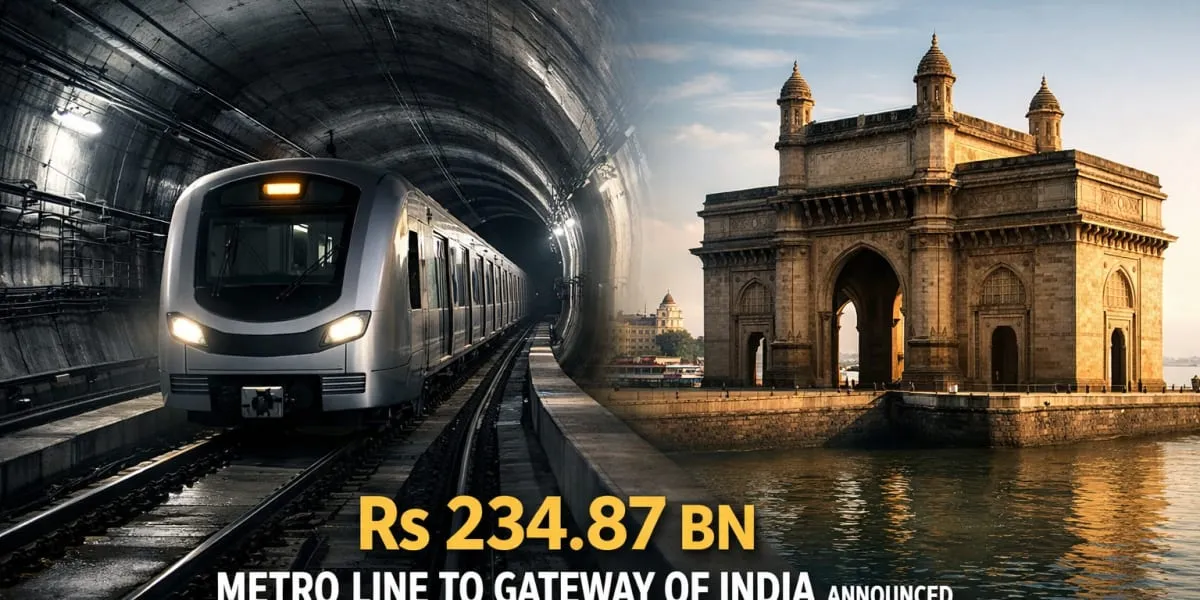
Fadnavis Announces Rs 234.87 bn Metro Line To Gateway Of India
ROADS & HIGHWAYS

Fadnavis Announces Rs 234.87 bn Metro Line To Gateway Of India

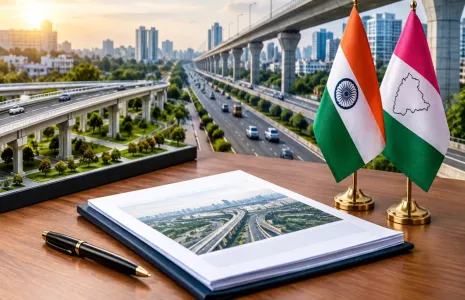
Deputy Chief Minister Devendra Fadnavis announced a new metro line connecting Mumbai to the Gateway of India and an accompanying underground tunnel network, with the project cost given as Rs 234.87 billion (bn). He described the initiative as a major addition to the city's transport infrastructure. The announcement framed the project as intended to enhance rapid transit capacity and to support the growing demand for reliable urban mobility. Officials outlined the metro line as a strategic link to the southern waterfront.

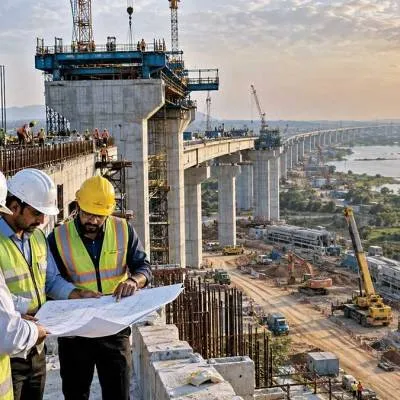
The plan encompasses both elevated and subterranean elements, with the tunnel network presented as a key engineering component to navigate dense urban areas and preserve surface access. Officials indicated that integration with existing metro corridors and local rail services would be a priority to ensure seamless transfers and to distribute passenger loads. The proposal was said to consider multimodal connections for last mile access and to aim at reducing road congestion in central Mumbai. Environmental and heritage considerations were noted as factors in design choices.

The fiscal outlay for the project was emphasised as significant, reflecting the scale of engineering work and urban interventions required. Authorities suggested that the investment would stimulate construction activity and related service sectors, while also necessitating detailed financial planning and possible phased funding. Commentators within the civic administration were reported to expect close coordination between municipal, state and central agencies to secure land clearances and align technical standards. Procurement and contract awards were described as subject to statutory procedures.

Officials indicated that next steps would include detailed project reports, environmental impact assessments and stakeholder consultations before formal approvals are granted. They suggested that timelines would be announced following finalisation of technical studies and budgetary clearances, and that commuters and tourism stakeholders in the Gateway of India precinct could anticipate long term benefits from improved access. The announcement was presented as part of a broader push to modernise Mumbai's transport network.

Deputy Chief Minister Devendra Fadnavis announced a new metro line connecting Mumbai to the Gateway of India and an accompanying underground tunnel network, with the project cost given as Rs 234.87 billion (bn). He described the initiative as a major addition to the city's transport infrastructure. The announcement framed the project as intended to enhance rapid transit capacity and to support the growing demand for reliable urban mobility. Officials outlined the metro line as a strategic link to the southern waterfront. The plan encompasses both elevated and subterranean elements, with the tunnel network presented as a key engineering component to navigate dense urban areas and preserve surface access. Officials indicated that integration with existing metro corridors and local rail services would be a priority to ensure seamless transfers and to distribute passenger loads. The proposal was said to consider multimodal connections for last mile access and to aim at reducing road congestion in central Mumbai. Environmental and heritage considerations were noted as factors in design choices. The fiscal outlay for the project was emphasised as significant, reflecting the scale of engineering work and urban interventions required. Authorities suggested that the investment would stimulate construction activity and related service sectors, while also necessitating detailed financial planning and possible phased funding. Commentators within the civic administration were reported to expect close coordination between municipal, state and central agencies to secure land clearances and align technical standards. Procurement and contract awards were described as subject to statutory procedures. Officials indicated that next steps would include detailed project reports, environmental impact assessments and stakeholder consultations before formal approvals are granted. They suggested that timelines would be announced following finalisation of technical studies and budgetary clearances, and that commuters and tourism stakeholders in the Gateway of India precinct could anticipate long term benefits from improved access. The announcement was presented as part of a broader push to modernise Mumbai's transport network.

Next Story
Infrastructure Urban

Implementation Status of Jal Jeevan Mission

Since August 2019 the Government has implemented Jal Jeevan Mission to provide assured potable water through household tap connections in rural India. At the start of the mission only 32.3 million (mn) rural households, representing 16.7 per cent, were reported to have tap water connections. States and union territories have reported that 125.8 mn additional rural households have since been provided with tap connections. As a result, of about 193.6 mn rural households roughly 158.2 mn, or 81.71 per cent, are reported to have tap water supply at home.\n\nThe State, district and village level st..

Next Story
Infrastructure Urban

Jal Jeevan Mission Reaches Eighty One Per Cent Rural Coverage

The Government reported substantial progress under the Jal Jeevan Mission, launched in August 2019 to provide tap water to every rural household. At launch only 32.3 million (mn) rural households had tap connections and states and Union territories reported provision of 125.8 mn additional households by March 2026. Consequently, out of about 193.6 mn rural households around 158.2 mn, or 81.71 per cent, are reported to have tap water at home. The Finance Minister announced extension of the mission until 2028 in the 2025-26 budget speech. The Swachh Bharat Mission Grameen, launched in October 20..

Next Story
Infrastructure Urban

Empowering Local Governance for Sustainable Rural Water Supply

The Ministry of Jal Shakti has aligned the Jal Jeevan Mission (JJM) with the 73rd Amendment to strengthen village level planning and community ownership of water supply. Gram Panchayats, village water and sanitation committees and Pani Samitis are to plan, implement, manage and maintain piped water systems, with gram sabha processes formalising handover and oversight. Implementation support agencies including non government organisations, community based organisations and self help groups have been empanelled to train local committees and promote women participation. Under JJM, the department ..

Advertisement

Subscribe to Our Newsletter

Get daily newsletters around different themes from Construction world.

STAY CONNECTED

Advertisement

Advertisement

Advertisement