+
GNSS-Based Toll Collection to Boost India's Revenue by Rs 100 Bn: Gadkari
ROADS & HIGHWAYS

GNSS-Based Toll Collection to Boost India's Revenue by Rs 100 Bn: Gadkari

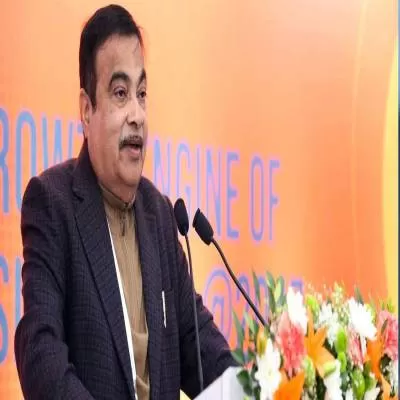
Indian Minister of Road Transport and Highways, Nitin Gadkari, has projected a substantial Rs 100 billion increase in toll revenue with the implementation of GNSS-based toll collection systems across national highways. This technology, which leverages Global Navigation Satellite Systems (GNSS), is set to revolutionise toll collection by ensuring seamless operations and enhancing transparency in financial transactions.

Gadkari highlighted that the GNSS-based tolling will eliminate the need for physical toll booths, reducing congestion and travel time for commuters. It will also streamline toll collection processes, minimising revenue leakages and operational inefficiencies that have traditionally plagued toll collection systems in India.

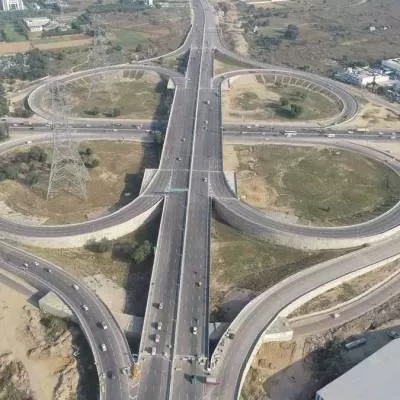
The adoption of GNSS technology aligns with the government's commitment to modernise infrastructure and improve user experience on highways. By implementing a sophisticated electronic tolling mechanism, India aims to bring its toll collection practices on par with global standards, fostering economic growth and development in the transportation sector.

The anticipated revenue boost of Rs 100 billion reflects the potential of GNSS-based systems to significantly enhance toll collection efficiency and revenue generation. As India continues to expand its highway network and upgrade infrastructure, such technological advancements are expected to play a pivotal role in achieving sustainable and efficient transportation solutions nationwide.

Indian Minister of Road Transport and Highways, Nitin Gadkari, has projected a substantial Rs 100 billion increase in toll revenue with the implementation of GNSS-based toll collection systems across national highways. This technology, which leverages Global Navigation Satellite Systems (GNSS), is set to revolutionise toll collection by ensuring seamless operations and enhancing transparency in financial transactions. Gadkari highlighted that the GNSS-based tolling will eliminate the need for physical toll booths, reducing congestion and travel time for commuters. It will also streamline toll collection processes, minimising revenue leakages and operational inefficiencies that have traditionally plagued toll collection systems in India. The adoption of GNSS technology aligns with the government's commitment to modernise infrastructure and improve user experience on highways. By implementing a sophisticated electronic tolling mechanism, India aims to bring its toll collection practices on par with global standards, fostering economic growth and development in the transportation sector. The anticipated revenue boost of Rs 100 billion reflects the potential of GNSS-based systems to significantly enhance toll collection efficiency and revenue generation. As India continues to expand its highway network and upgrade infrastructure, such technological advancements are expected to play a pivotal role in achieving sustainable and efficient transportation solutions nationwide.

Next Story
Infrastructure Urban

India Expands Semiconductor Training To 500 Institutions

Under the Chips to Startups programme of the India Semiconductor Mission, the Union minister responsible for Railways, Information and Broadcasting, and Electronics and IT reported notable progress in talent development. He indicated that over the past four years substantial steps have been taken towards a 10-year target of training 85,000 engineers in semiconductor design. World-class EDA tools have been deployed in 315 academic institutions across the country to provide students with practical exposure to chip design. These EDA tools are supported by leading global firms and are accessible t..

Next Story
Infrastructure Urban

Delhi Institutions Support India Semiconductor Mission

The Government of India has prioritised talent development through training, upskilling and workforce development under the Chips to Startups initiative of the India Semiconductor Mission, with officials noting progress in four years towards a 10-year target of training 85,000 engineers in semiconductor design. Electronic design automation tools provided by Synopsys, Cadence, Siemens, Renesas, Ansys and AMD have been deployed in 315 academic institutions, enabling students to gain practical chip design experience. Chips have been fabricated and tested at the Semiconductor Laboratory, Mohali, a..

Next Story
Infrastructure Urban

NHA Announces Winners Of NHCX Hackathon At IIT Hyderabad

The National Health Authority (NHA) has concluded the NHCX Hackathon under the Ayushman Bharat Digital Mission (ABDM) to stimulate innovation around the National Health Claims Exchange (NHCX). The winning teams presented their solutions at the NHCX Innovation Meet held at IIT Hyderabad during a two-day event in March 2026 that also served as the hackathon grand finale. The hackathon itself ran from 22 to 28 February 2026 and aimed to accelerate paperless, transparent claims processing across India. The event was organised with a range of ecosystem partners, including the Insurance Regulatory a..

Advertisement

Subscribe to Our Newsletter

Get daily newsletters around different themes from Construction world.

STAY CONNECTED

Advertisement

Advertisement

Advertisement