Maharashtra Plans Helicopter Ambulances for Highways
ROADS & HIGHWAYS

Maharashtra Plans Helicopter Ambulances for Highways

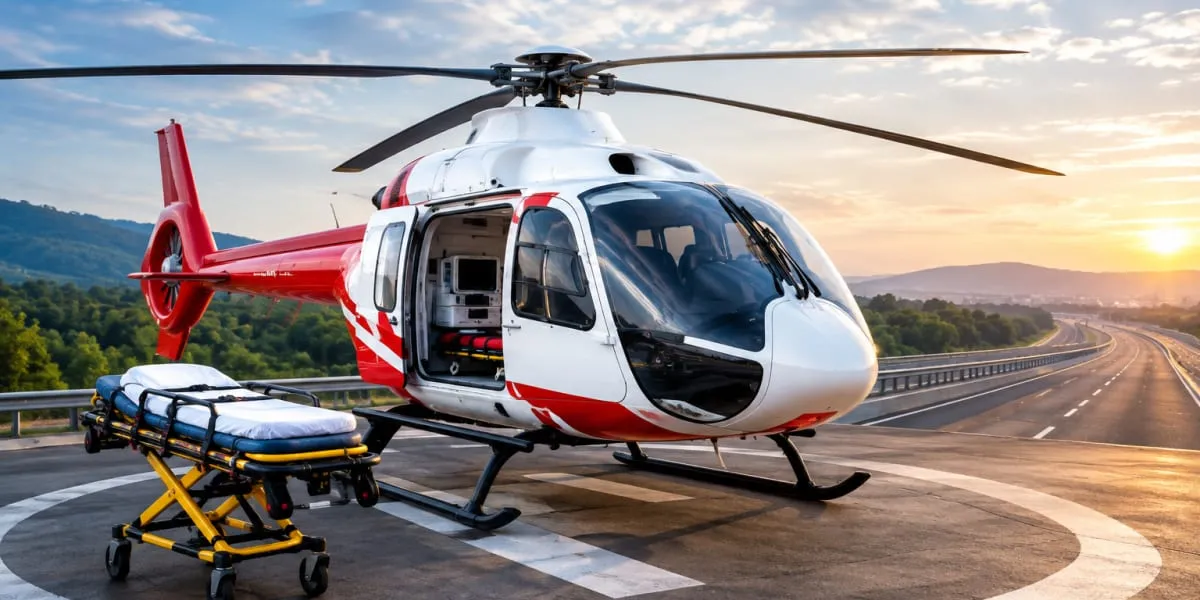
Maharashtra government has proposed deploying helicopter-based air ambulances on major highways to provide faster medical treatment to victims of serious road accidents and other medical emergencies. The service is intended to support treatment during the critical first hour after an incident, commonly referred to as the golden hour. Arrangements are being planned for the Mumbai-Nagpur Samruddhi Mahamarg, Mumbai-Pune Expressway and Mumbai-Goa Highway.

The air ambulance service is scheduled to launch at the beginning of the new year. The government plans to prepare and secure approval for a Standard Operating Procedure (SOP) by November 15, after which the tendering process will begin with the approval of a high-powered committee. The SOP will set out procedures for deployment and coordination.

Transport Minister Pratap Sarnaik said the initiative would focus on moving accident victims quickly to trauma care centres, where timely intervention can improve their chances of recovery. The plan includes identifying suitable trauma care centres, preparing a panel of service providers and making financial provisions through the Road Safety Fund. It also calls for protocols covering the safe transport of injured people.

The meeting on the proposal was attended by Health Minister Prakash Abitkar, Minister of State for Home Yogesh Kadam and senior officials from the departments concerned. The Transport Department, Health Department and police administration will work jointly on the SOP and emergency response framework. The system will also require coordination among multiple agencies involved in responding to highway incidents.

State officials said approximately 15,000 road accidents occur in Maharashtra each year, with timely treatment remaining a challenge in many cases. Serious crashes, traffic congestion, long distances to hospitals and limited emergency medical facilities can delay access to care. The government is seeking to strengthen the highway trauma network and reduce fatalities by combining modern technology with faster emergency medical services, while continuing efforts to prevent accidents.

Maharashtra government has proposed deploying helicopter-based air ambulances on major highways to provide faster medical treatment to victims of serious road accidents and other medical emergencies. The service is intended to support treatment during the critical first hour after an incident, commonly referred to as the golden hour. Arrangements are being planned for the Mumbai-Nagpur Samruddhi Mahamarg, Mumbai-Pune Expressway and Mumbai-Goa Highway. The air ambulance service is scheduled to launch at the beginning of the new year. The government plans to prepare and secure approval for a Standard Operating Procedure (SOP) by November 15, after which the tendering process will begin with the approval of a high-powered committee. The SOP will set out procedures for deployment and coordination. Transport Minister Pratap Sarnaik said the initiative would focus on moving accident victims quickly to trauma care centres, where timely intervention can improve their chances of recovery. The plan includes identifying suitable trauma care centres, preparing a panel of service providers and making financial provisions through the Road Safety Fund. It also calls for protocols covering the safe transport of injured people. The meeting on the proposal was attended by Health Minister Prakash Abitkar, Minister of State for Home Yogesh Kadam and senior officials from the departments concerned. The Transport Department, Health Department and police administration will work jointly on the SOP and emergency response framework. The system will also require coordination among multiple agencies involved in responding to highway incidents. State officials said approximately 15,000 road accidents occur in Maharashtra each year, with timely treatment remaining a challenge in many cases. Serious crashes, traffic congestion, long distances to hospitals and limited emergency medical facilities can delay access to care. The government is seeking to strengthen the highway trauma network and reduce fatalities by combining modern technology with faster emergency medical services, while continuing efforts to prevent accidents.

Related Stories

Gold Stories
Next Story
Infrastructure Urban

Welspun One unveils Diwali campaign for World Trade Center Thane

Welspun One has unveiled A Dream Diwali, a festive brand film promoting World Trade Center Thane, its proposed mixed-use development in the Mumbai Metropolitan Region (MMR). The campaign uses individual interpretations of an ideal Diwali to introduce the experiences and offerings planned at the development.The film follows different characters as they share their festive wishes and go about activities such as shopping, meeting friends, playing games and spending time with family. Through these everyday moments, the campaign presents the idea that celebrations are personal and that different ge..

Next Story
Equipment

BorgWarner secures three turbocharger contracts with global powertrain leader

BorgWarner has secured three new turbocharger contracts with a global powertrain technology company. The wins comprise one contract for its variable turbine geometry (VTG) turbocharger and two for its wastegate turbocharger. The technologies will be deployed in the customer's light-vehicle gasoline platforms in South America and Europe, with production scheduled to begin in 2027.The VTG turbochargers are designed for gasoline engines operating under demanding conditions and high-boost pressure requirements. They are engineered to support Miller-cycle engines and withstand exhaust temperatures ..
Next Story
Infrastructure Transport

International Digi Yatra Trials Begin at Seven Airports

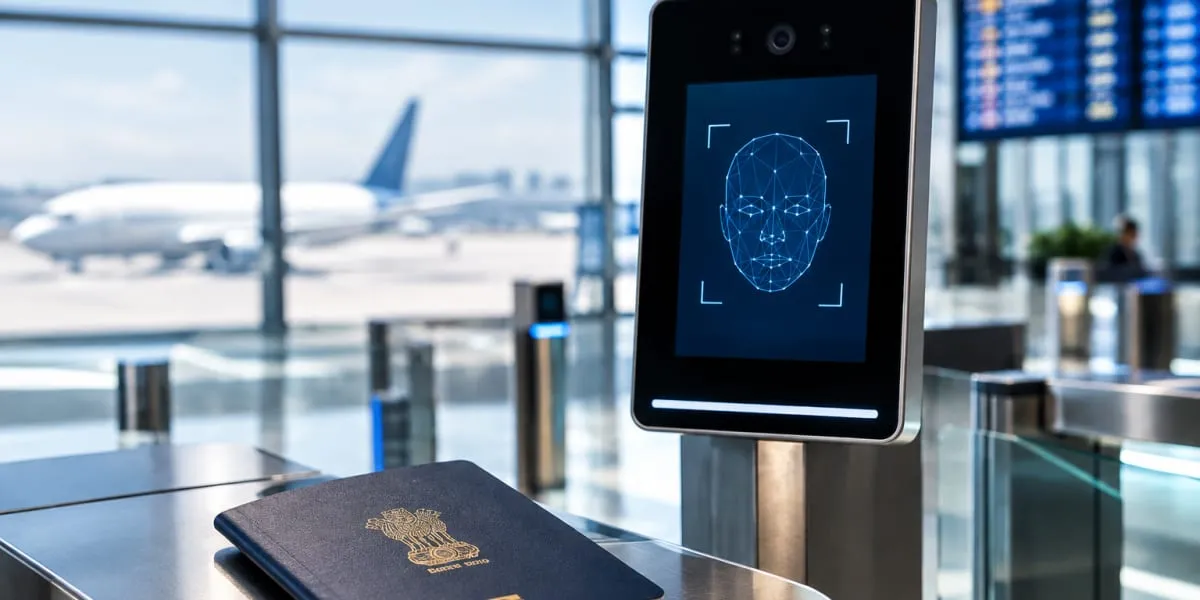
India has begun trials of Digi Yatra for international passengers at seven airports, allowing eligible Indian passport holders to use facial recognition at selected airport checkpoints. The facility is currently limited to Indian nationals with e-passports travelling on selected international flights operated by Air India and IndiGo. The Civil Aviation Ministry announced the trials on 1 November, with testing scheduled through December 2026. A wider rollout is expected in 2027 after the ministry assesses passenger feedback gathered during the trial period, according to PTI. The system is inten..

Advertisement

Subscribe to Our Newsletter

Get daily newsletters around different themes from Construction world.

STAY CONNECTED

Advertisement

SPECIAL OFFER
QR Code