Minister Admits Causeway Issues In Palasa, Plans High-Level Bridges
ROADS & HIGHWAYS

Minister Admits Causeway Issues In Palasa, Plans High-Level Bridges

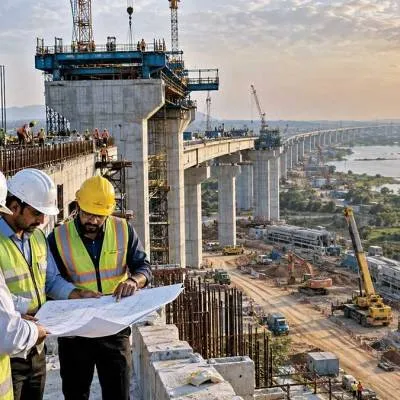
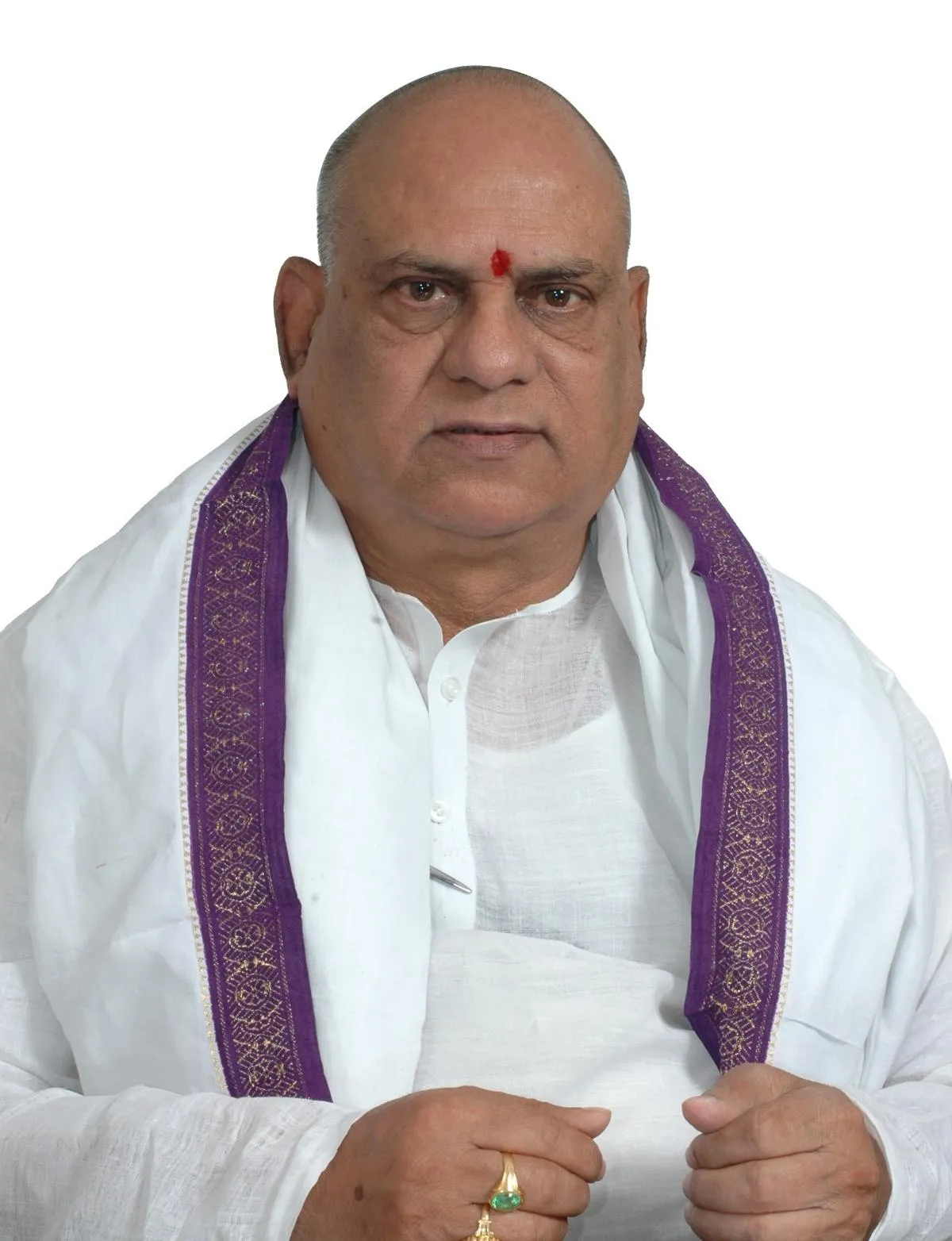
A state minister has acknowledged persistent problems with a causeway near Palasa in Andhra Pradesh and announced plans to construct high-level bridges to replace vulnerable sections. The minister said recurrent flooding and waterlogging had disrupted vehicular movement and affected local livelihoods, prompting renewed attention to the site. The announcement followed inspections and representations from residents and civic leaders. The disclosure underlined long standing community concerns and renewed calls for expedited remedial action.

Officials assessed that the existing causeway suffered from structural weaknesses and frequent overtopping during heavy rains, which reduced its reliability and posed safety risks. The plan is to build multiple high-level bridges that will maintain connectivity during adverse weather and provide greater resilience. Technical consultations will be held with engineering agencies and local authorities to finalise designs and align construction with environmental safeguards. Designs will consider hydrological studies and elevation standards to reduce the likelihood of recurrence.

The minister indicated that preliminary surveys and design work would be prioritised and that timelines will depend on clearances and resource allocation. Short term repairs and traffic management measures will be implemented to reduce disruption while longer term works are prepared. Local administration will coordinate with state agencies to ensure continuity of essential services during construction. Contingency plans will be developed to protect emergency services and agricultural activities in the interim.

Authorities expect that high-level bridges will enhance road safety, reduce isolation of affected communities and support economic activity by ensuring reliable access. The project forms part of broader efforts to strengthen transport infrastructure in flood prone areas and to improve resilience to extreme weather events. Officials will also engage with community representatives to address access needs during works and to communicate progress. Monitoring and maintenance plans will be instituted to sustain the benefits once works are completed and reviewed regularly.

A state minister has acknowledged persistent problems with a causeway near Palasa in Andhra Pradesh and announced plans to construct high-level bridges to replace vulnerable sections. The minister said recurrent flooding and waterlogging had disrupted vehicular movement and affected local livelihoods, prompting renewed attention to the site. The announcement followed inspections and representations from residents and civic leaders. The disclosure underlined long standing community concerns and renewed calls for expedited remedial action. Officials assessed that the existing causeway suffered from structural weaknesses and frequent overtopping during heavy rains, which reduced its reliability and posed safety risks. The plan is to build multiple high-level bridges that will maintain connectivity during adverse weather and provide greater resilience. Technical consultations will be held with engineering agencies and local authorities to finalise designs and align construction with environmental safeguards. Designs will consider hydrological studies and elevation standards to reduce the likelihood of recurrence. The minister indicated that preliminary surveys and design work would be prioritised and that timelines will depend on clearances and resource allocation. Short term repairs and traffic management measures will be implemented to reduce disruption while longer term works are prepared. Local administration will coordinate with state agencies to ensure continuity of essential services during construction. Contingency plans will be developed to protect emergency services and agricultural activities in the interim. Authorities expect that high-level bridges will enhance road safety, reduce isolation of affected communities and support economic activity by ensuring reliable access. The project forms part of broader efforts to strengthen transport infrastructure in flood prone areas and to improve resilience to extreme weather events. Officials will also engage with community representatives to address access needs during works and to communicate progress. Monitoring and maintenance plans will be instituted to sustain the benefits once works are completed and reviewed regularly.

Next Story
Technology

Aakaar 2026 Reinforces Industry-Academia Synergy

The 18th edition of Aakaar, the annual civil engineering festival hosted by the Indian Institute of Technology Bombay, concluded on 15 March 2026, reaffirming its position as Asia’s largest platform for civil engineering innovation and collaboration. The event brought together students, researchers and industry professionals, offering a robust mix of technical competitions, research forums, keynote sessions and industry showcases.A key highlight was the 10th International Civil Engineering Symposium (ICES), which formed the intellectual core of the festival. Through paper presentations, post..

Next Story
Real Estate

The Art of Durable and Beautiful Facades

The façade of a structure is called the "face" of the building; however, it is so much more than just an outer skin. It is the interface between architecture, structure and environment — the first visual statement of design intent and the primary barrier protecting the structure from heat, rain, wind, pollution, and time, and plays a vital role in modern architecture today, ultimately influencing the building’s durability and aesthetics both. The façade’s role is neither superficial nor symbolic alone. In India’s diverse climatic conditions, facades today must achieve a balance betwe..

Next Story
Equipment

Can India Build the World’s Next CE Hub?

India’s construction equipment industry is entering a defining decade. As infrastructure investment expands, supply chains diversify and global manufacturers look beyond traditional production bases, the country has a rare opportunity to move from import dependence to manufacturing leadership. The ambition is no longer limited to making more machines in India; it is about designing, localising, validating and exporting equipment that can compete in global markets.The sector is already on a strong growth trajectory. India’s construction equipment market is estimated at around $ 10.5 billion..

Advertisement

Subscribe to Our Newsletter

Get daily newsletters around different themes from Construction world.

STAY CONNECTED

Advertisement

Advertisement

Advertisement