


MMRDA plans 21 km double-decker flyover via Kalyan
ROADS & HIGHWAYS

MMRDA plans 21 km double-decker flyover via Kalyan

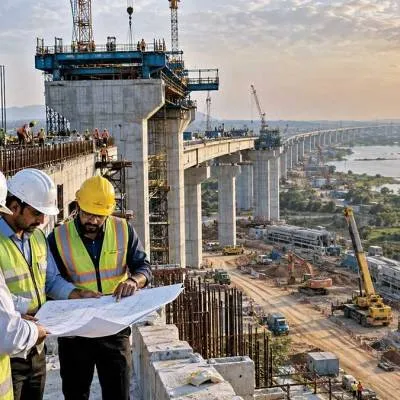
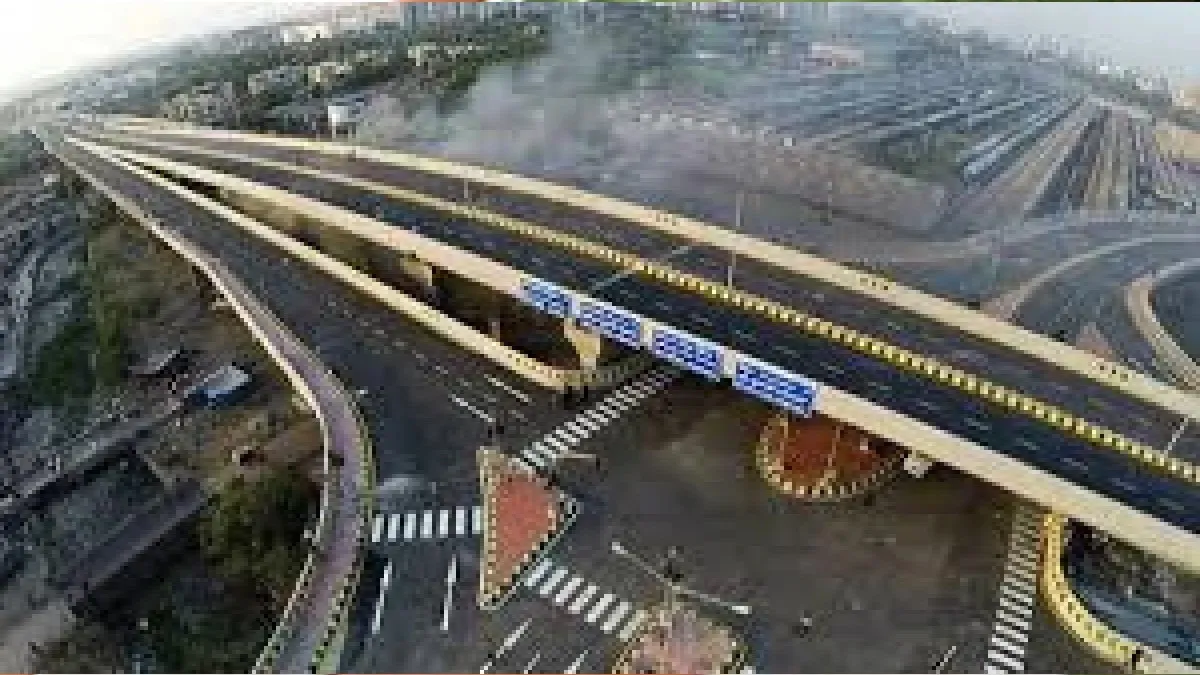
The Mumbai Metropolitan Region Development Authority (MMRDA) is planning to build a 21-kilometre double-decker flyover—set to be one of the longest in India—connecting Shil Phata junction with Ranjnoli junction in Bhiwandi through Kalyan.

According to MMRDA officials, the ambitious structure will feature a four-lane road and metro rail tracks, integrating multiple key infrastructure projects including the Virar–Alibaug multimodal corridor and the Mumbai–Ahmedabad bullet train corridor.

“We are in the process of appointing a consultant to prepare a detailed project report for the proposed flyover,” said an MMRDA official, adding that the consultant will also oversee bidding and project execution.

India’s Longest Flyover in the Making

At present, Hyderabad’s 11-kilometre Visweswaraiah flyover holds the record as India’s longest, while the Yamuna Expressway remains the longest elevated road at 165 kilometres.

The proposed flyover will begin at Shil Phata on National Highway-48 (Old Mumbai–Pune Highway), pass through Dombivli and Kalyan, and end at Ranjnoli junction on National Highway-160 (Mumbai–Nashik Highway). It will also intersect with other key projects, such as the Airoli–Katai Freeway and the Virar–Alibaug multimodal corridor.

Integrating Metro and Bullet Train Links

The upper deck will accommodate three metro lines—Metro 5 (Bhiwandi to Kalyan) between Durgadi Fort and Ranjnoli junction, Metro 12 (Kalyan to Taloja) between Kalyan APMC and Runwal junction, and Metro 14 (Kanjurmarg to Badlapur) between Shil Phata and Katai Naka.

“The alignment of the Mumbai–Ahmedabad bullet train, which runs near the proposed route, will also be reviewed during the preparation of the detailed project report,” the MMRDA official added.

Engineering Challenges Ahead

The flyover will cross railway tracks at two points—before Katai Naka and at Patri Pul in Kalyan. Officials noted that constructing over the busy central line, which carries numerous long-distance trains, would present significant engineering challenges.

Once completed, the Shil Phata–Ranjnoli flyover is expected to significantly enhance regional connectivity, ease traffic congestion, and integrate road, rail, and metro transport in the rapidly expanding Mumbai Metropolitan Region.

"Join industry leaders at RAHSTA Expo, India's premier platform for roads, highways and traffic infrastructure. Register now to explore innovations, network with experts and shape the future of mobility."

The Mumbai Metropolitan Region Development Authority (MMRDA) is planning to build a 21-kilometre double-decker flyover—set to be one of the longest in India—connecting Shil Phata junction with Ranjnoli junction in Bhiwandi through Kalyan. According to MMRDA officials, the ambitious structure will feature a four-lane road and metro rail tracks, integrating multiple key infrastructure projects including the Virar–Alibaug multimodal corridor and the Mumbai–Ahmedabad bullet train corridor. “We are in the process of appointing a consultant to prepare a detailed project report for the proposed flyover,” said an MMRDA official, adding that the consultant will also oversee bidding and project execution. India’s Longest Flyover in the Making At present, Hyderabad’s 11-kilometre Visweswaraiah flyover holds the record as India’s longest, while the Yamuna Expressway remains the longest elevated road at 165 kilometres. The proposed flyover will begin at Shil Phata on National Highway-48 (Old Mumbai–Pune Highway), pass through Dombivli and Kalyan, and end at Ranjnoli junction on National Highway-160 (Mumbai–Nashik Highway). It will also intersect with other key projects, such as the Airoli–Katai Freeway and the Virar–Alibaug multimodal corridor. Integrating Metro and Bullet Train Links The upper deck will accommodate three metro lines—Metro 5 (Bhiwandi to Kalyan) between Durgadi Fort and Ranjnoli junction, Metro 12 (Kalyan to Taloja) between Kalyan APMC and Runwal junction, and Metro 14 (Kanjurmarg to Badlapur) between Shil Phata and Katai Naka. “The alignment of the Mumbai–Ahmedabad bullet train, which runs near the proposed route, will also be reviewed during the preparation of the detailed project report,” the MMRDA official added. Engineering Challenges Ahead The flyover will cross railway tracks at two points—before Katai Naka and at Patri Pul in Kalyan. Officials noted that constructing over the busy central line, which carries numerous long-distance trains, would present significant engineering challenges. Once completed, the Shil Phata–Ranjnoli flyover is expected to significantly enhance regional connectivity, ease traffic congestion, and integrate road, rail, and metro transport in the rapidly expanding Mumbai Metropolitan Region.

Next Story
Infrastructure Energy

Centre Prioritising Energy Security With Coal Gasification

Union minister for Coal and Mines G Kishan Reddy said the Centre is prioritising energy security through a strategic shift to coal gasification and has announced incentives totalling Rs 460 billion (bn) to support the effort. He said more than 35 companies will start coal gasification activities in India within two months and that the government is encouraging firms that bring technology to close the domestic technology gap. The minister described the initiative as aimed at reducing import dependence and developing indigenous capacity. India has the fifth-largest coal reserve in the world, and..

Next Story
Infrastructure Urban

BHEL and Coal India Invest Rs 250 bn in Odisha Gasification

Bharat Heavy Electricals (BHEL) and Coal India (CIL) are jointly investing Rs 250 billion in a coal gasification project in Odisha, with the Prime Minister laying the foundation stone in Jharsuguda. Union Coal and Mines Minister G Kishan Reddy described the initiative as a transformative shift in coal utilisation that will open industrial avenues for the state. The project moves coal beyond conventional power generation to industrial feedstocks. Coal gasification will convert coal into synthesis gas, a versatile feedstock for chemicals, fertilisers and synthetic fuels, and the technology is ex..

Next Story
Infrastructure Energy

BCCL Hands Over Dugdha Coal Washery To JSW Steel

Bharat Coking Coal has handed over the Dugdha Coal Washery to JSW Steel, marking the first coal washery asset monetisation under the Ministry of Coal's asset monetisation programme. The handover took place in the presence of senior officials from Bharat Coking Coal Ltd, JSW Steel and JSW Energy. The washery has a capacity of two million tonnes per annum (mn t per annum), and its transfer is intended to introduce private sector practices into coal beneficiation operations. The monetisation is aimed at modernising coal sector assets, improving operational efficiency and enhancing resource utilis..

Advertisement

Subscribe to Our Newsletter

Get daily newsletters around different themes from Construction world.

STAY CONNECTED

Advertisement

Advertisement

Advertisement