

Mobile Connectivity Lost On Mumbai Metro Line Three
ROADS & HIGHWAYS

Mobile Connectivity Lost On Mumbai Metro Line Three

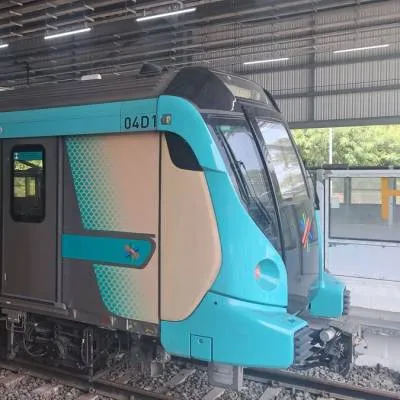
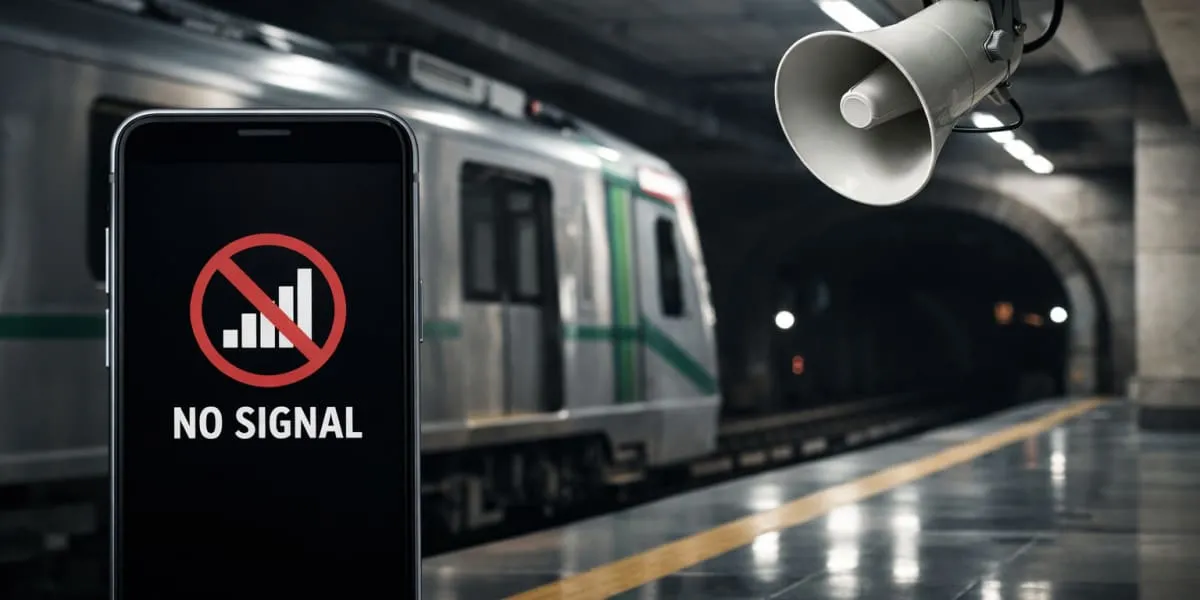
Mobile connectivity on Mumbai Metro Line Three ceased after the termination of a telecom contract that provided in-station and in-tunnel coverage. The metro operator reported that the contract end led to an immediate halt in cellular and data services across the corridor, affecting all telecom carriers that had relied on the agreement. Commuters were left without reliable voice or internet access while travelling, and station staff had to revert to standard public address systems to share information.

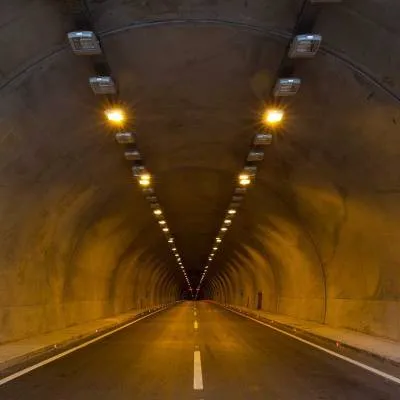
The termination removed equipment maintenance and spectrum access arrangements that sustained the distributed antenna system and neutral host solution inside tunnels and concourses. Transport authorities highlighted that such infrastructure depends on continuing agreements between the transit operator and service providers, and that abrupt cessation can disrupt passenger communications and operational monitoring. The loss also affected the ability to use mobile-based ticketing and journey apps, increasing reliance on ticket counters and offline procedures.

City regulators and the metro authority moved to engage telecom firms and legal advisers to seek rapid reinstatement or replacement of services, prioritising passenger safety and minimal disruption. Engineers began assessing the scope of work required to restore coverage, including recommissioning of antennas, backhaul connectivity and power supply systems, and negotiating access for equipment vendors. Officials expected that restoring full service would require co-ordination with multiple stakeholders and adherence to safety and technical standards.

The incident is likely to prompt reviews of contract terms and contingency planning across urban transit networks to reduce vulnerabilities from single supplier dependence. Commuter groups urged transparent timelines for recovery and regular updates on interim arrangements, while authorities considered short term mitigations such as temporary Wi-Fi hotspots and enhanced on-ground communication protocols. The episode underscored the growing reliance of modern metro systems on resilient digital infrastructure and the need for robust contractual safeguards.

Mobile connectivity on Mumbai Metro Line Three ceased after the termination of a telecom contract that provided in-station and in-tunnel coverage. The metro operator reported that the contract end led to an immediate halt in cellular and data services across the corridor, affecting all telecom carriers that had relied on the agreement. Commuters were left without reliable voice or internet access while travelling, and station staff had to revert to standard public address systems to share information. The termination removed equipment maintenance and spectrum access arrangements that sustained the distributed antenna system and neutral host solution inside tunnels and concourses. Transport authorities highlighted that such infrastructure depends on continuing agreements between the transit operator and service providers, and that abrupt cessation can disrupt passenger communications and operational monitoring. The loss also affected the ability to use mobile-based ticketing and journey apps, increasing reliance on ticket counters and offline procedures. City regulators and the metro authority moved to engage telecom firms and legal advisers to seek rapid reinstatement or replacement of services, prioritising passenger safety and minimal disruption. Engineers began assessing the scope of work required to restore coverage, including recommissioning of antennas, backhaul connectivity and power supply systems, and negotiating access for equipment vendors. Officials expected that restoring full service would require co-ordination with multiple stakeholders and adherence to safety and technical standards. The incident is likely to prompt reviews of contract terms and contingency planning across urban transit networks to reduce vulnerabilities from single supplier dependence. Commuter groups urged transparent timelines for recovery and regular updates on interim arrangements, while authorities considered short term mitigations such as temporary Wi-Fi hotspots and enhanced on-ground communication protocols. The episode underscored the growing reliance of modern metro systems on resilient digital infrastructure and the need for robust contractual safeguards.

Next Story
Infrastructure Transport

The Critical Path

In Ircon International Ltd v. Afcons Infrastructure Ltd, OMP (Comm) 279/2019, the Delhi High Court examined how delay and extension of time (‘EOT’) are to be assessed in construction contracts, particularly in the context of the ‘critical path’ while dealing with challenge to an arbitral award under Section 34 of the Arbitration and Conciliation Act 1996 (‘the Act’). The High Court’s observations regarding the critical path are of significant import for construction and infrastructure projects and related arbitration. The parties entered into a contract for construction of T..

Next Story
Infrastructure Urban

Urgently Wanted: 2 Million Workers!

Construction, India’s second largest employer by industry, employs about 50 million workers but could additionally absorb another 40 million workers, according to estimates shared by the Construction Skill Development Council of India (CSDCI) in 2023. Within this, citing trade estimates, Rahul Bahl, Managing Director, Krishna Buildestates, says the shortage of trained, skilled workers is currently about 2 million, and is expected to rise to 5 million by 2030.Not only is the construction industry struggling to find workers but construction labour productivity in India significantly trails g..

Next Story
Real Estate

144 Years in the Making!

1. A century-spanning construction storyConstruction began in 1882, making the Sagrada Família one of the longest-running architectural projects in modern history. Today, the project is overseen by the Fundació Junta Constructora del Temple Expiatori de la Sagrada Família, with Chief Architect Jordi Faulí leading its final construction phases.2. The world’s tallest church towerhe Sagrada Família in Barcelona reached its final height of 172.5 m (566 ft) on February 20, 2026, with the installation of the cross atop the Tower of Jesus Christ, making it the tallest church in the world...To ..

Advertisement

Subscribe to Our Newsletter

Get daily newsletters around different themes from Construction world.

STAY CONNECTED

Advertisement

Advertisement

Advertisement