MSRTC buses to get an antimicrobial coating for 10,000 buses
ROADS & HIGHWAYS

MSRTC buses to get an antimicrobial coating for 10,000 buses

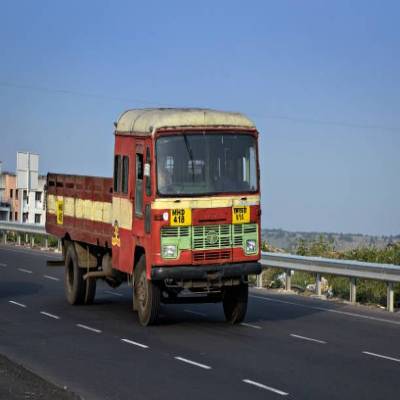
Due to the Covid-19 pandemic, the Maharashtra State Road Transport Corporation (MSRTC) has decided to apply anti-microbial coating from the upcoming month to the 10,000 buses it deployed at present for Rs 9,500 per vehicle.

Antimicrobial coating is a process in which a chemical is sprayed over the surfaces to limit the increase of viruses, fungus, and bacteria.

The state officials informed that the chemical agents would be sprayed on the seats, windows, hand rest, driver's cabin, guard rails, floor, doors and luggage compartments.

In May, the tender for the antimicrobial coating work was rolled out. Two firms were finalised for starting the procedure from next week and completing it in a month.

According to the firms, the durability of the coating is two-six months each. They have to submit the certificates from Haffkine Institute to support their claims.

One firm would have to apply the coat twice a year, while the other would have to do it six times yearly, and a third party would examine the effectiveness by taking surface swabs to analyse viral load.

Before the Covid-19 outbreak, MSRTC used to transport an overall 65 lakh people daily and currently, the range is between 17-18 lakh.

At present, Maharashtra has a caseload of more than 62.90 lakh cases, including 1.32 lakh deaths.

Image Source

Due to the Covid-19 pandemic, the Maharashtra State Road Transport Corporation (MSRTC) has decided to apply anti-microbial coating from the upcoming month to the 10,000 buses it deployed at present for Rs 9,500 per vehicle. Antimicrobial coating is a process in which a chemical is sprayed over the surfaces to limit the increase of viruses, fungus, and bacteria. The state officials informed that the chemical agents would be sprayed on the seats, windows, hand rest, driver's cabin, guard rails, floor, doors and luggage compartments. In May, the tender for the antimicrobial coating work was rolled out. Two firms were finalised for starting the procedure from next week and completing it in a month. According to the firms, the durability of the coating is two-six months each. They have to submit the certificates from Haffkine Institute to support their claims. One firm would have to apply the coat twice a year, while the other would have to do it six times yearly, and a third party would examine the effectiveness by taking surface swabs to analyse viral load. Before the Covid-19 outbreak, MSRTC used to transport an overall 65 lakh people daily and currently, the range is between 17-18 lakh. At present, Maharashtra has a caseload of more than 62.90 lakh cases, including 1.32 lakh deaths. Image Source

Related Stories

Gold Stories

Next Story
Infrastructure Urban

KONE Opens India's First Digital Experience Centre in Pune

KONE, a global elevator and escalator manufacturer, has inaugurated its first Digital Experience Centre (DEC) in India, located in Pune. The facility aims to showcase how artificial intelligence (AI), connectivity and data-driven technologies can enhance customer experiences and improve building operations.The centre was inaugurated by Jussi Herlin, Executive Vice Chair, KONE Corporation; Philippe Delorme, President and CEO, KONE; and Nandan Nilekani, Co-founder and Chairman of the Board, Infosys.Designed as an interactive customer environment, the facility demonstrates digital solutions cover..

Next Story
Infrastructure Urban

CII GreenCo Launches Circularity Guidelines for Indian Industry

The Confederation of Indian Industry (CII) GreenCo Council has launched the CII GreenCo Circularity Guidelines – Pilot Version at the 17th CII GreenCo Waste & Resource Management Summit 2026 in Chennai. The initiative aims to strengthen resource efficiency, waste reduction and circular economy practices across Indian manufacturing and process industries.The guidelines introduce a structured framework with circularity indices covering raw materials, consumables, packaging and other resource inputs. These indicators will help industries assess existing practices, identify opportunities to ..

Next Story
Infrastructure Energy

Global Electronics Association Launches IPC-1783-CO2E Standard

The Global Electronics Association has introduced IPC-1783-CO2E, a new international standard aimed at improving consistency, transparency and comparability in product carbon footprint reporting across the electronics manufacturing industry.The standard, titled International Standard for Data Collection and Reporting of CO2 Equivalent (CO2e) Emissions for the Electronics Manufacturing Supply Chain, provides industry-specific guidance for collecting, estimating and reporting carbon emissions data.With increasing regulatory requirements and customer expectations, electronics manufacturers face c..

Advertisement

Subscribe to Our Newsletter

Get daily newsletters around different themes from Construction world.

STAY CONNECTED

Advertisement

SPECIAL OFFER
QR Code