



+
NHAI Deploys Over 5,100 Women Staff At Toll Plazas
ROADS & HIGHWAYS

NHAI Deploys Over 5,100 Women Staff At Toll Plazas

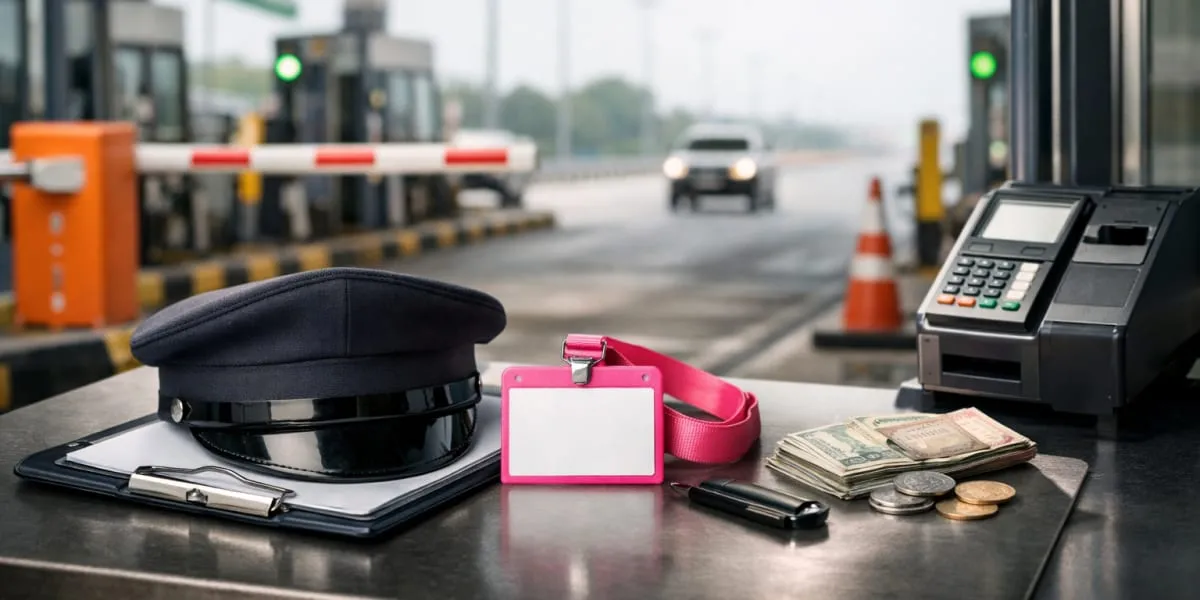
The National Highways Authority of India has deployed over 5,100 women staff at toll plazas across national highways, expanding the presence of women in frontline operations. The staff have been assigned to roles covering toll collection, customer assistance and lane operations to streamline traffic flow and service delivery. The deployment is part of a broader drive to ensure more inclusive staffing and visible representation of women in transport sector roles.

The move is intended to improve passenger experience and reduce queuing by ensuring consistent staffing at points of payment and enquiry. Authorities have emphasised that well trained staff at plazas can assist with digital payments, resolve traveller concerns and coordinate with traffic personnel to manage peak hour demand. Enhanced gender diversity at toll booths is expected to contribute to a safer and more welcoming environment for road users. Public feedback channels have been opened to gather commuter input on plaza operations.

Training programmes have been conducted to familiarise personnel with operational protocols, automated toll systems and customer service standards, with refresher modules offered periodically. Supervisory frameworks and grievance redressal mechanisms have been put in place to support staff welfare and career advancement. The initiative has also been aligned with national objectives to promote employment opportunities for women in infrastructure sectors. Local centre managers have been tasked with coordinating schedules and ensuring compliance with safety protocols.

Officials will monitor the deployment through regular audits and performance reviews to assess impact on revenue protection and user satisfaction, with adjustments to staffing levels made as required. The visible engagement of women in toll operations is expected to serve both operational goals and broader social objectives related to empowerment and workforce inclusion. Continued attention to training and workplace support is likely to shape longer term outcomes for highway services.

The National Highways Authority of India has deployed over 5,100 women staff at toll plazas across national highways, expanding the presence of women in frontline operations. The staff have been assigned to roles covering toll collection, customer assistance and lane operations to streamline traffic flow and service delivery. The deployment is part of a broader drive to ensure more inclusive staffing and visible representation of women in transport sector roles. The move is intended to improve passenger experience and reduce queuing by ensuring consistent staffing at points of payment and enquiry. Authorities have emphasised that well trained staff at plazas can assist with digital payments, resolve traveller concerns and coordinate with traffic personnel to manage peak hour demand. Enhanced gender diversity at toll booths is expected to contribute to a safer and more welcoming environment for road users. Public feedback channels have been opened to gather commuter input on plaza operations. Training programmes have been conducted to familiarise personnel with operational protocols, automated toll systems and customer service standards, with refresher modules offered periodically. Supervisory frameworks and grievance redressal mechanisms have been put in place to support staff welfare and career advancement. The initiative has also been aligned with national objectives to promote employment opportunities for women in infrastructure sectors. Local centre managers have been tasked with coordinating schedules and ensuring compliance with safety protocols. Officials will monitor the deployment through regular audits and performance reviews to assess impact on revenue protection and user satisfaction, with adjustments to staffing levels made as required. The visible engagement of women in toll operations is expected to serve both operational goals and broader social objectives related to empowerment and workforce inclusion. Continued attention to training and workplace support is likely to shape longer term outcomes for highway services.

Next Story
Infrastructure Urban

Implementation Status of Jal Jeevan Mission

Since August 2019 the Government has implemented Jal Jeevan Mission to provide assured potable water through household tap connections in rural India. At the start of the mission only 32.3 million (mn) rural households, representing 16.7 per cent, were reported to have tap water connections. States and union territories have reported that 125.8 mn additional rural households have since been provided with tap connections. As a result, of about 193.6 mn rural households roughly 158.2 mn, or 81.71 per cent, are reported to have tap water supply at home.\n\nThe State, district and village level st..

Next Story
Infrastructure Urban

Jal Jeevan Mission Reaches Eighty One Per Cent Rural Coverage

The Government reported substantial progress under the Jal Jeevan Mission, launched in August 2019 to provide tap water to every rural household. At launch only 32.3 million (mn) rural households had tap connections and states and Union territories reported provision of 125.8 mn additional households by March 2026. Consequently, out of about 193.6 mn rural households around 158.2 mn, or 81.71 per cent, are reported to have tap water at home. The Finance Minister announced extension of the mission until 2028 in the 2025-26 budget speech. The Swachh Bharat Mission Grameen, launched in October 20..

Next Story
Infrastructure Urban

Empowering Local Governance for Sustainable Rural Water Supply

The Ministry of Jal Shakti has aligned the Jal Jeevan Mission (JJM) with the 73rd Amendment to strengthen village level planning and community ownership of water supply. Gram Panchayats, village water and sanitation committees and Pani Samitis are to plan, implement, manage and maintain piped water systems, with gram sabha processes formalising handover and oversight. Implementation support agencies including non government organisations, community based organisations and self help groups have been empanelled to train local committees and promote women participation. Under JJM, the department ..

Advertisement

Subscribe to Our Newsletter

Get daily newsletters around different themes from Construction world.

STAY CONNECTED

Advertisement

Advertisement

Advertisement