




NHAI Scraps KYV for New Car FASTags
ROADS & HIGHWAYS

NHAI Scraps KYV for New Car FASTags

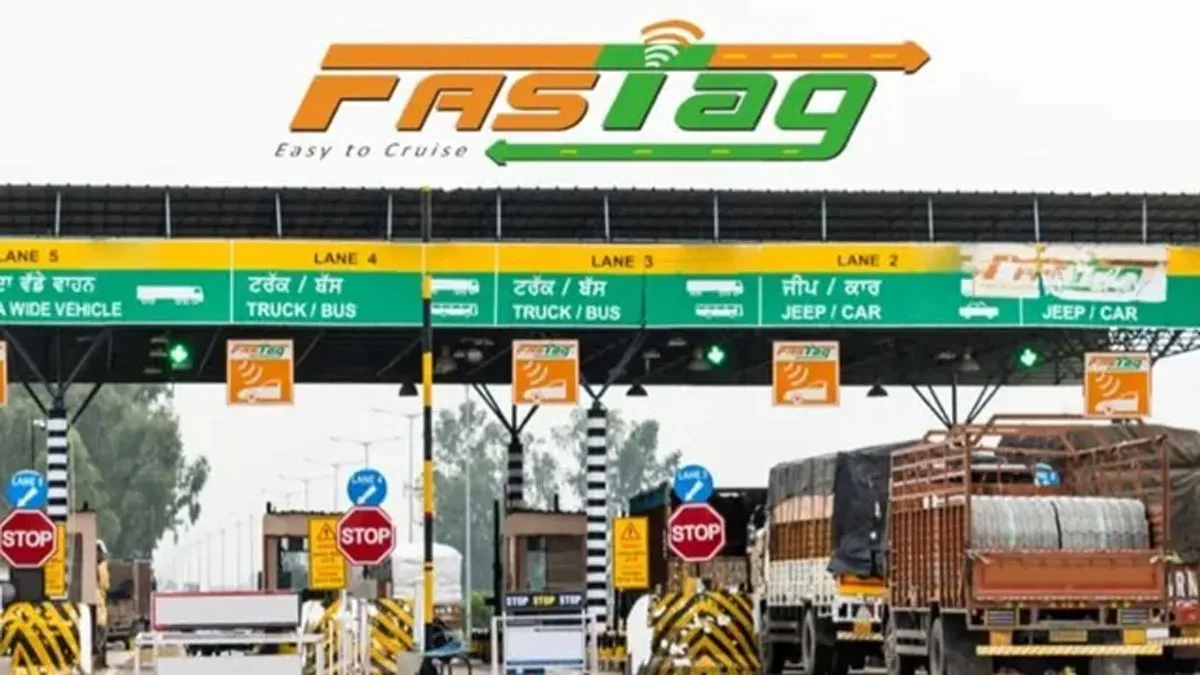
In a major step to improve public convenience and end post-activation difficulties faced by highway users, the National Highways Authority of India (NHAI) has decided to discontinue the Know Your Vehicle (KYV) process for cars under the Car/Jeep/Van category FASTag. The change will apply to all new FASTag issuances from 1 February 2026.

The reform is expected to bring significant relief to millions of road users who have faced inconvenience and delays after FASTag activation due to post-issuance KYV requirements, despite submitting valid vehicle documents at the time of purchase.

For existing FASTags already issued to cars, KYV will no longer be required as a routine process. It will be carried out only in specific cases where complaints are received, including issues related to loose FASTags, incorrect issuance or misuse. In the absence of any such complaint, no KYV will be mandated for existing car FASTags.

At the same time, NHAI has introduced stronger pre-activation safeguards to ensure accuracy, compliance and system integrity while simplifying the experience for users. Under the revised framework, FASTag activation will be permitted only after mandatory validation of vehicle details through the VAHAN database. The earlier provision that allowed validation after activation has been withdrawn.

In exceptional cases where vehicle details are not available on VAHAN, issuer banks will be required to validate information using the vehicle’s registration certificate before activation, with full accountability. FASTags sold through online channels will also be activated only after complete verification by issuer banks.

By ensuring that all vehicle validation is completed upfront, these measures eliminate the need for repeated follow-ups with customers after FASTag activation. NHAI said the reforms reflect its continued commitment to building a citizen-friendly, transparent and technology-driven FASTag ecosystem, while strengthening compliance and reducing grievances. By placing full responsibility for validation on issuer banks before activation, the authority aims to deliver a smoother and hassle-free experience for national highway users.

In a major step to improve public convenience and end post-activation difficulties faced by highway users, the National Highways Authority of India (NHAI) has decided to discontinue the Know Your Vehicle (KYV) process for cars under the Car/Jeep/Van category FASTag. The change will apply to all new FASTag issuances from 1 February 2026. The reform is expected to bring significant relief to millions of road users who have faced inconvenience and delays after FASTag activation due to post-issuance KYV requirements, despite submitting valid vehicle documents at the time of purchase. For existing FASTags already issued to cars, KYV will no longer be required as a routine process. It will be carried out only in specific cases where complaints are received, including issues related to loose FASTags, incorrect issuance or misuse. In the absence of any such complaint, no KYV will be mandated for existing car FASTags. At the same time, NHAI has introduced stronger pre-activation safeguards to ensure accuracy, compliance and system integrity while simplifying the experience for users. Under the revised framework, FASTag activation will be permitted only after mandatory validation of vehicle details through the VAHAN database. The earlier provision that allowed validation after activation has been withdrawn. In exceptional cases where vehicle details are not available on VAHAN, issuer banks will be required to validate information using the vehicle’s registration certificate before activation, with full accountability. FASTags sold through online channels will also be activated only after complete verification by issuer banks. By ensuring that all vehicle validation is completed upfront, these measures eliminate the need for repeated follow-ups with customers after FASTag activation. NHAI said the reforms reflect its continued commitment to building a citizen-friendly, transparent and technology-driven FASTag ecosystem, while strengthening compliance and reducing grievances. By placing full responsibility for validation on issuer banks before activation, the authority aims to deliver a smoother and hassle-free experience for national highway users.

Next Story
Infrastructure Transport

KPIL Secures Rs 7.19 Billion Metro Rail Order in Thane

Kalpataru Projects International (KPIL), along with its joint venture, has recently secured new orders and notifications of award worth approximately Rs 7.19 billion. The key contract includes an elevated metro rail project in Thane, Maharashtra, marking a significant addition to the company’s urban infrastructure portfolio.Commenting on the development, Manish Mohnot, MD & CEO, said the order strengthens KPIL’s presence in the expanding urban transportation EPC segment. He added that the company’s diversified order book, consistent order inflows and strong execution capabilities..

Next Story
Infrastructure Urban

IRFC Sanctions Rs 50 Billion Loan to MAHAGENCO

Indian Railway Finance Corporation (IRFC) has recently executed a Rupee Term Loan Agreement with Maharashtra State Power Generation Company Limited (MAHAGENCO) for a sanctioned amount of Rs 50 billion, of which Rs 30 billion has already been disbursed. A Navratna CPSE under the Ministry of Railways, IRFC has expanded its role beyond rail financing to support infrastructure projects linked to the railway ecosystem, including power generation, transmission, mining, logistics, ports and metro rail. The corporation continues to maintain a strong asset quality profile with a zero-NPA portfolio. M..

Next Story
Infrastructure Transport

AFCOM Inducts Third Aircraft, Boosting Cargo Capacity

AFCOM Holdings has recently inducted its third aircraft, marking a key milestone in the company’s fleet expansion and operational growth. The aircraft was welcomed with a water cannon salute on arrival at Chennai International Airport, underscoring its strategic importance to AFCOM’s expanding network. With Chennai as a key operational hub, the additional aircraft enhances AFCOM’s ability to cater to rising demand for air cargo services across domestic and international routes, including time-sensitive and specialised cargo segments. The induction strengthens operational capacity while ..

Advertisement

Subscribe to Our Newsletter

Get daily newsletters around different themes from Construction world.

STAY CONNECTED

Advertisement

Advertisement

Advertisement

Advertisement

Open In App