Supreme Court Allows Mangrove Felling For Versova-Bhayandar Road
ROADS & HIGHWAYS

Supreme Court Allows Mangrove Felling For Versova-Bhayandar Road

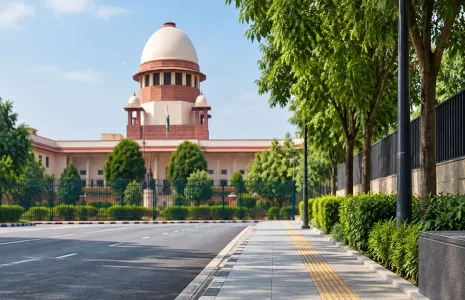
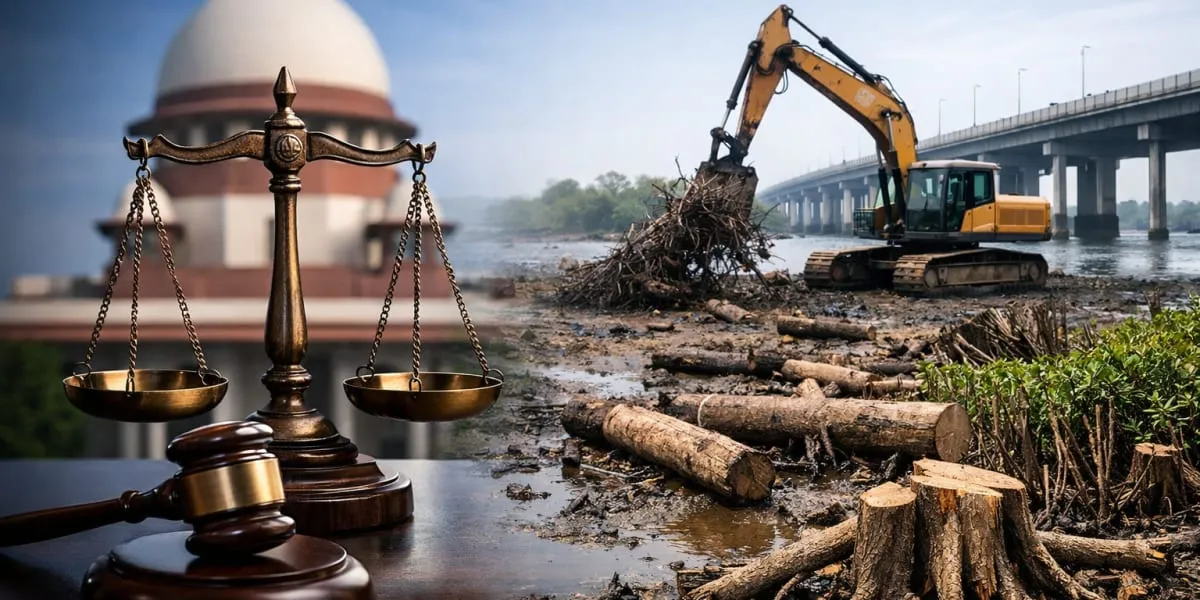
The Supreme Court of India declined to stay an order of the Bombay High Court that permits the Brihanmumbai Municipal Corporation (BMC) to fell over 45,000 mangrove trees for the proposed Versova-Bhayandar coastal road project. A bench comprising Chief Justice Surya Kant, Justice Joymalya Bagchi and Justice Vipul Pancholi upheld the High Court's decision on the basis that adequate protective conditions have been imposed. The order preserves the High Court's permission of 12 December 2025 while allowing the civic authority to proceed under the stipulated safeguards.

The Court observed that the High Court had required compensatory afforestation and other measures intended to offset environmental loss and that the project would have a significant and beneficial impact on the general public by decongesting the western highway. The bench concluded that these safeguards and the projected public advantages justified declining to intervene at this stage. The decision rejected an application for an interim stay while preserving judicial oversight through the conditions already imposed.

The High Court's permission was made conditional on the BMC filing annual status reports for 10 years detailing progress on mangrove restoration and compensatory plantation, and the Supreme Court directed the civic body to submit those reports before the Bombay High Court. The requirement for continued reporting is designed to enable monitoring of restoration efforts and to ensure compliance with the conditions attached to clearance. Officials will be expected to provide transparent updates on implementation as the project advances.

The ruling was delivered while the bench considered a petition filed by environmental organisation Vanashakti challenging the High Court order. Senior Advocate Chander Uday Singh, appearing for the organisation, contended that the council had secured approval by repurposing a prior afforestation effort and cited satellite imagery from October 2025 as support for that contention. The case will proceed with the stipulated reporting framework governing progress and restoration activities.

"Join industry leaders at RAHSTA Expo, India's premier platform for roads, highways and traffic infrastructure. Register now to explore innovations, network with experts and shape the future of mobility."

The Supreme Court of India declined to stay an order of the Bombay High Court that permits the Brihanmumbai Municipal Corporation (BMC) to fell over 45,000 mangrove trees for the proposed Versova-Bhayandar coastal road project. A bench comprising Chief Justice Surya Kant, Justice Joymalya Bagchi and Justice Vipul Pancholi upheld the High Court's decision on the basis that adequate protective conditions have been imposed. The order preserves the High Court's permission of 12 December 2025 while allowing the civic authority to proceed under the stipulated safeguards. The Court observed that the High Court had required compensatory afforestation and other measures intended to offset environmental loss and that the project would have a significant and beneficial impact on the general public by decongesting the western highway. The bench concluded that these safeguards and the projected public advantages justified declining to intervene at this stage. The decision rejected an application for an interim stay while preserving judicial oversight through the conditions already imposed. The High Court's permission was made conditional on the BMC filing annual status reports for 10 years detailing progress on mangrove restoration and compensatory plantation, and the Supreme Court directed the civic body to submit those reports before the Bombay High Court. The requirement for continued reporting is designed to enable monitoring of restoration efforts and to ensure compliance with the conditions attached to clearance. Officials will be expected to provide transparent updates on implementation as the project advances. The ruling was delivered while the bench considered a petition filed by environmental organisation Vanashakti challenging the High Court order. Senior Advocate Chander Uday Singh, appearing for the organisation, contended that the council had secured approval by repurposing a prior afforestation effort and cited satellite imagery from October 2025 as support for that contention. The case will proceed with the stipulated reporting framework governing progress and restoration activities.

Next Story
Real Estate

Pecan Realty Completes Rs 1.5 Billion Transactions

Pecan Realty has recently completed four institutional transactions worth over Rs 1.5 billion over the past two years, strengthening its position as an execution-led real estate platform. The deals include resolution-led acquisitions, structured finance transactions and capital partnerships across its development portfolio.The transactions covered acquisitions through the National Company Law Tribunal process and helped provide repayment or exits to both private and public sector lenders. The company said the deals demonstrate its ability to resolve complex project situations, work with instit..

Next Story
Real Estate

SNN Estates Expands North Bengaluru Housing Project

SNN Estates has announced an expansion of its SNN Estates Felicity residential project in North Bengaluru following strong buyer demand, with 75 per cent of the first-phase inventory sold within three days of launch.The developer will add 76 apartments in the new phase, taking the project's estimated revenue potential to around Rs 1,000 crore upon completion of Phase 2.Spread across 6.5 acres in Rachenahalli, near Manyata Tech Park, the project comprises 604 apartments in 1.5, 2, 2.5, 3 and 4 BHK configurations. The development includes a 50,000-sq-ft clubhouse with amenities such as sports co..

Next Story
Infrastructure Urban

SCG Drives ASEAN Industrial Transformation Strategy

SCG is strengthening its focus on ASEAN as a key growth region by advancing industrial transformation, enhancing competitiveness and building resilient regional value chains. Thammasak Sethaudom, President and Chief Executive Officer, SCG, highlighted the need for industries to continuously develop capabilities, strengthen resilience and deepen regional cooperation to achieve sustainable long-term growth.SCG views ASEAN as an important growth engine alongside China, supported by favourable demographics, trade connectivity and investment flows. With ASEAN’s GDP projected to grow by around 4.7..

Advertisement

Subscribe to Our Newsletter

Get daily newsletters around different themes from Construction world.

STAY CONNECTED

Advertisement

Advertisement

Advertisement