+
Toll Collection to Start Soon on 70 Km Stretch of Bengaluru-Chennai E-way
ROADS & HIGHWAYS

Toll Collection to Start Soon on 70 Km Stretch of Bengaluru-Chennai E-way

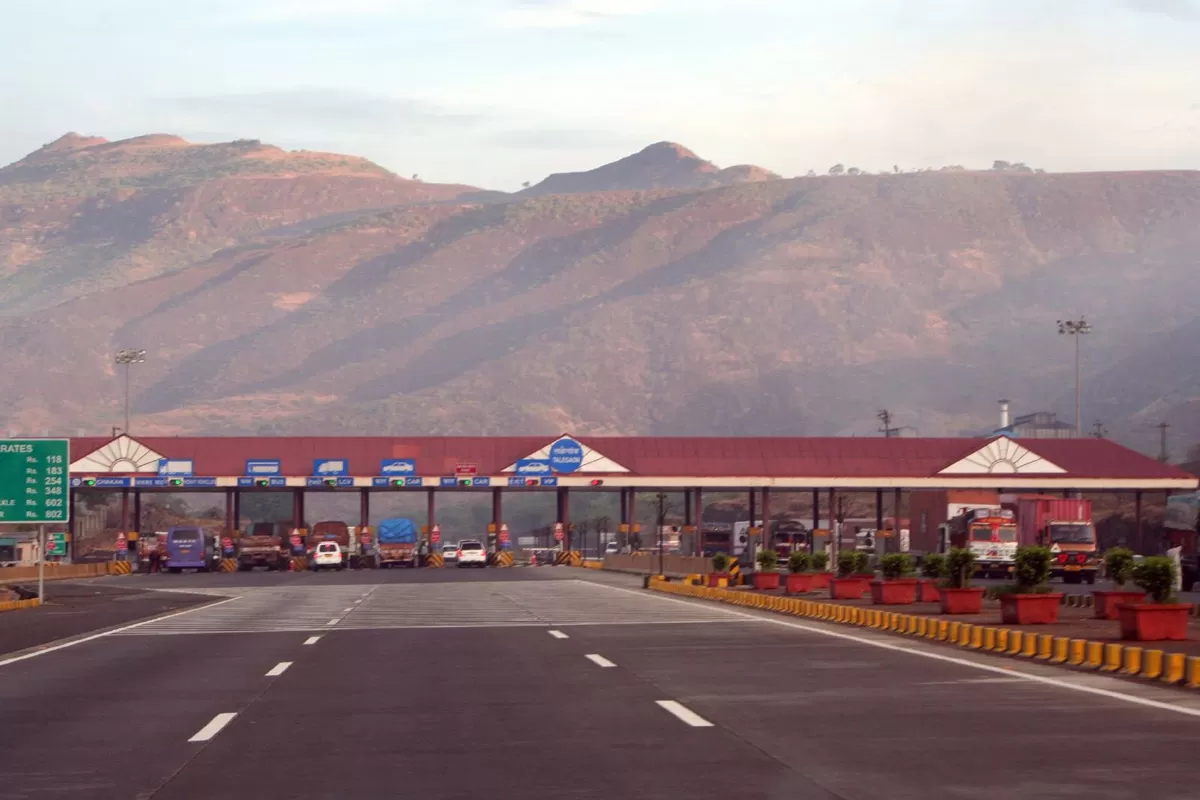
The National Highways Authority of India (NHAI) is set to initiate toll collection on the 70-kilometre stretch of the Bengaluru-Chennai Expressway in Karnataka, ending the free travel period currently available to daily commuters. This expressway, Karnataka’s first, was partially opened in February, allowing travel between Hoskote and Kolar Gold Fields (KGF).

Toll rates are in the finalisation stage. Preliminary estimates suggest that car users may be charged up to Rs 150 for a one-way trip and Rs 225 for a round trip. The expressway features three interchanges—Malur, Bangarpet, and Betamangala—where toll rates may vary between Rs 55 and Rs 150. For heavy vehicles, charges could go up to Rs 520 one way and Rs 780 for a return journey.

The Ministry of Road Transport and Highways (MoRTH) has already issued a notification regarding toll collection. The tolling process will commence after the necessary formalities are completed and the district administration is notified.

The entire Bengaluru-Chennai Expressway spans 261 kilometres, crossing Karnataka (76 km), Andhra Pradesh (91 km), and Tamil Nadu (94 km). However, construction in Andhra Pradesh and Tamil Nadu is still underway.

Currently, around 2,000 to 2,500 vehicles use the Karnataka section daily. To enhance connectivity from the Bengaluru-Kolar Highway to the expressway, NHAI has provided Rs 20 crore to the Karnataka government for upgrading 18 kilometres of rural and district roads. Upon completion, traffic volume is expected to rise considerably.

Despite improved connectivity, congestion remains an issue on Old Madras Road near Hoskote. This is anticipated to ease once the Satellite Town Ring Road (STRR) and its link to Hosur become operational by August.

Authorities have restricted access for two-wheelers, autorickshaws, and tractors on the expressway. However, illegal entry by bike riders continues, raising safety concerns. The expressway has already witnessed several serious accidents attributed to over-speeding.

The road is designed for vehicles to travel at speeds of up to 120 km/h. Safety measures have been put in place, and local police surveillance has been intensified to prevent violations. Toll collection will begin officially following the issuance of a public notice, marking a key milestone in the project’s rollout.

News source: News 24 Online

The National Highways Authority of India (NHAI) is set to initiate toll collection on the 70-kilometre stretch of the Bengaluru-Chennai Expressway in Karnataka, ending the free travel period currently available to daily commuters. This expressway, Karnataka’s first, was partially opened in February, allowing travel between Hoskote and Kolar Gold Fields (KGF).Toll rates are in the finalisation stage. Preliminary estimates suggest that car users may be charged up to Rs 150 for a one-way trip and Rs 225 for a round trip. The expressway features three interchanges—Malur, Bangarpet, and Betamangala—where toll rates may vary between Rs 55 and Rs 150. For heavy vehicles, charges could go up to Rs 520 one way and Rs 780 for a return journey.The Ministry of Road Transport and Highways (MoRTH) has already issued a notification regarding toll collection. The tolling process will commence after the necessary formalities are completed and the district administration is notified.The entire Bengaluru-Chennai Expressway spans 261 kilometres, crossing Karnataka (76 km), Andhra Pradesh (91 km), and Tamil Nadu (94 km). However, construction in Andhra Pradesh and Tamil Nadu is still underway.Currently, around 2,000 to 2,500 vehicles use the Karnataka section daily. To enhance connectivity from the Bengaluru-Kolar Highway to the expressway, NHAI has provided Rs 20 crore to the Karnataka government for upgrading 18 kilometres of rural and district roads. Upon completion, traffic volume is expected to rise considerably.Despite improved connectivity, congestion remains an issue on Old Madras Road near Hoskote. This is anticipated to ease once the Satellite Town Ring Road (STRR) and its link to Hosur become operational by August.Authorities have restricted access for two-wheelers, autorickshaws, and tractors on the expressway. However, illegal entry by bike riders continues, raising safety concerns. The expressway has already witnessed several serious accidents attributed to over-speeding.The road is designed for vehicles to travel at speeds of up to 120 km/h. Safety measures have been put in place, and local police surveillance has been intensified to prevent violations. Toll collection will begin officially following the issuance of a public notice, marking a key milestone in the project’s rollout.News source: News 24 Online

Related Stories

Gold Stories

Next Story
Infrastructure Urban

KONE Opens India's First Digital Experience Centre in Pune

KONE, a global elevator and escalator manufacturer, has inaugurated its first Digital Experience Centre (DEC) in India, located in Pune. The facility aims to showcase how artificial intelligence (AI), connectivity and data-driven technologies can enhance customer experiences and improve building operations.The centre was inaugurated by Jussi Herlin, Executive Vice Chair, KONE Corporation; Philippe Delorme, President and CEO, KONE; and Nandan Nilekani, Co-founder and Chairman of the Board, Infosys.Designed as an interactive customer environment, the facility demonstrates digital solutions cover..

Next Story
Infrastructure Urban

CII GreenCo Launches Circularity Guidelines for Indian Industry

The Confederation of Indian Industry (CII) GreenCo Council has launched the CII GreenCo Circularity Guidelines – Pilot Version at the 17th CII GreenCo Waste & Resource Management Summit 2026 in Chennai. The initiative aims to strengthen resource efficiency, waste reduction and circular economy practices across Indian manufacturing and process industries.The guidelines introduce a structured framework with circularity indices covering raw materials, consumables, packaging and other resource inputs. These indicators will help industries assess existing practices, identify opportunities to ..

Next Story
Infrastructure Energy

Global Electronics Association Launches IPC-1783-CO2E Standard

The Global Electronics Association has introduced IPC-1783-CO2E, a new international standard aimed at improving consistency, transparency and comparability in product carbon footprint reporting across the electronics manufacturing industry.The standard, titled International Standard for Data Collection and Reporting of CO2 Equivalent (CO2e) Emissions for the Electronics Manufacturing Supply Chain, provides industry-specific guidance for collecting, estimating and reporting carbon emissions data.With increasing regulatory requirements and customer expectations, electronics manufacturers face c..

Advertisement

Subscribe to Our Newsletter

Get daily newsletters around different themes from Construction world.

STAY CONNECTED

Advertisement

SPECIAL OFFER
QR Code