SCI Plans Rs 198.2 Billion Order For 26 India-Made Ships
PORTS & SHIPPING

SCI Plans Rs 198.2 Billion Order For 26 India-Made Ships

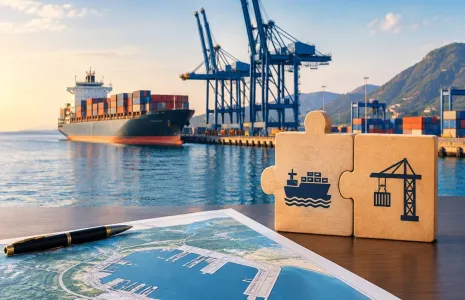
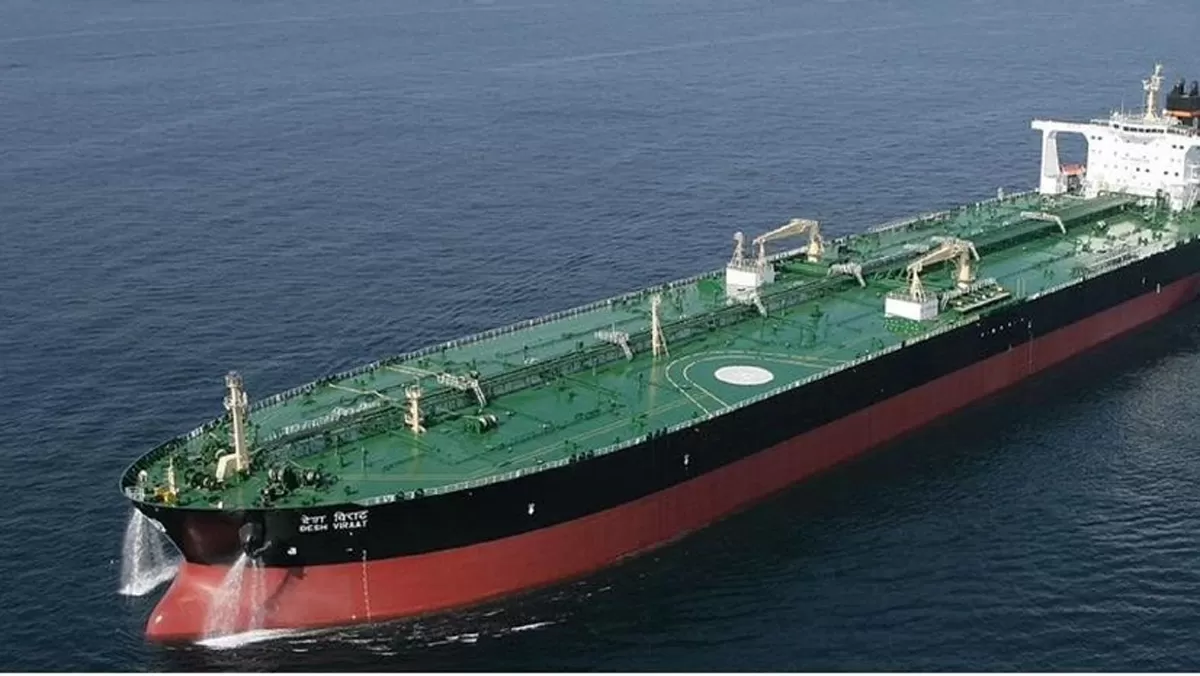
State-owned Shipping Corporation of India (SCI), the nation’s largest shipping line, is preparing to purchase 26 India-built vessels worth Rs 198.2 billion (USD 2.3 billion) as part of a government initiative to strengthen the domestic shipbuilding industry, according to people familiar with the matter.
The planned vessels will have a combined internal volume of 1.18 million gross tonnes, with deliveries staggered over several years. This move aligns with a broader procurement push by buyers in India’s petroleum and natural gas, steel, and fertiliser sectors. Together with SCI, they intend to acquire 207 ships valued at nearly Rs 1.5 trillion. The initiative is linked to an existing plan to purchase 112 crude carriers by 2040, as India — the world’s third-largest oil importer — seeks to expand its fleet capacity.
The addition of these vessels will significantly boost SCI’s current fleet of 55 ships, which includes tankers, bulk carriers, liners, and offshore supply vessels. Neither SCI, the shipping ministry, nor the Press Information Bureau has commented publicly on the matter.
Earlier this year, the government announced a Rs 250 billion fund to support the maritime sector, aiming to reduce dependence on foreign-built ships and promote indigenous shipbuilding. India plans to increase the share of locally built tankers from 5 per cent today to 7 per cent by 2030, with an ambitious target of nearly 70 per cent by 2047, the year it aims to achieve developed nation status. The strategy is intended to create captive demand for domestic shipbuilders, stimulate investment, and attract global shipyards from countries such as Japan and South Korea. 

State-owned Shipping Corporation of India (SCI), the nation’s largest shipping line, is preparing to purchase 26 India-built vessels worth Rs 198.2 billion (USD 2.3 billion) as part of a government initiative to strengthen the domestic shipbuilding industry, according to people familiar with the matter.The planned vessels will have a combined internal volume of 1.18 million gross tonnes, with deliveries staggered over several years. This move aligns with a broader procurement push by buyers in India’s petroleum and natural gas, steel, and fertiliser sectors. Together with SCI, they intend to acquire 207 ships valued at nearly Rs 1.5 trillion. The initiative is linked to an existing plan to purchase 112 crude carriers by 2040, as India — the world’s third-largest oil importer — seeks to expand its fleet capacity.The addition of these vessels will significantly boost SCI’s current fleet of 55 ships, which includes tankers, bulk carriers, liners, and offshore supply vessels. Neither SCI, the shipping ministry, nor the Press Information Bureau has commented publicly on the matter.Earlier this year, the government announced a Rs 250 billion fund to support the maritime sector, aiming to reduce dependence on foreign-built ships and promote indigenous shipbuilding. India plans to increase the share of locally built tankers from 5 per cent today to 7 per cent by 2030, with an ambitious target of nearly 70 per cent by 2047, the year it aims to achieve developed nation status. The strategy is intended to create captive demand for domestic shipbuilders, stimulate investment, and attract global shipyards from countries such as Japan and South Korea. 

Next Story
Infrastructure Transport

India Becomes First to Produce Bio-Bitumen for Roads

India has become the first country in the world to commercially produce bio-bitumen for use in road construction, according to Road, Transport and Highways Minister Nitin Gadkari. Bitumen, a black and viscous hydrocarbon derived from crude oil, is a key binding material in road building, and the bio-based alternative is expected to significantly improve the sector’s environmental footprint.Addressing the CSIR Technology Transfer Ceremony in New Delhi, Mr Gadkari congratulated Council of Scientific and Industrial Research on achieving the milestone, noting that the initiative would help curb ..

Next Story
Infrastructure Urban

HILT Policy Seen Boosting Telangana Revenue Sharply

The Hyderabad Industrial Land Transformation (HILT) Policy is expected to generate around Rs 1.08 billion in revenue for the Telangana state exchequer, according to Deputy Chief Minister Bhatti Vikramarka Mallu. Speaking in the Telangana Legislative Assembly, he said the policy would be implemented within a six-month timeframe in a transparent manner, with uniform rules applicable to all stakeholders. Mr Vikramarka noted that without the HILT Policy, the state would have earned only about Rs 1.2 million per acre. Under the new framework, however, revenue is projected to rise sharply to Rs 70 ..

Next Story
Infrastructure Urban

India Post, MoRD Tie Up to Boost Rural Inclusion

The Department of Posts and the Ministry of Rural Development have signed a Memorandum of Understanding to accelerate rural transformation and expand financial, digital and logistics services for Self-Help Groups (SHGs) and rural households across India. The agreement was signed in the presence of Union Minister of Communications and Development of North Eastern Region Jyotiraditya M. Scindia and Union Minister of Rural Development and Agriculture and Farmers’ Welfare Shivraj Singh Chouhan. The collaboration aligns with the government’s “Dak Sewa, Jan Sewa” vision and seeks to repositi..

Advertisement

Subscribe to Our Newsletter

Get daily newsletters around different themes from Construction world.

STAY CONNECTED

Advertisement

Advertisement

Advertisement

Advertisement

Open In App