PM Modi Inaugurates Rs 7.16 Billion Bangalore Metro Yellow Line
RAILWAYS & METRO RAIL

PM Modi Inaugurates Rs 7.16 Billion Bangalore Metro Yellow Line

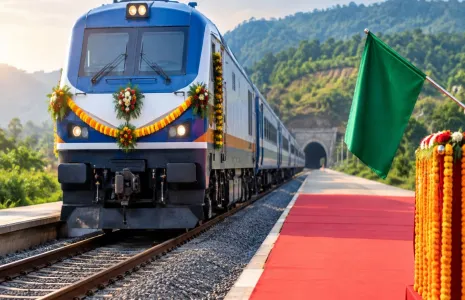
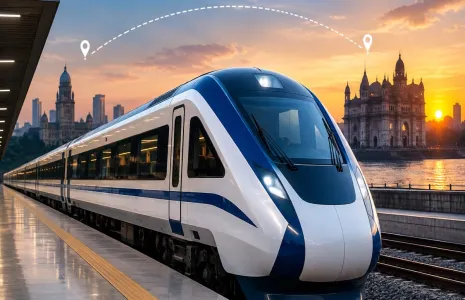
Prime Minister Narendra Modi inaugurated the Rs 7.16 billion Yellow Line of the Bangalore Metro and laid the foundation stone for the Rs 15.61 billion Phase Three project in Bengaluru, Karnataka. He also flagged off three Vande Bharat Express trains from KSR Railway Station, connecting Bengaluru–Belagavi, Nagpur–Pune, and Shri Mata Vaishno Devi Katra–Amritsar.
Addressing the gathering, the Prime Minister praised Bengaluru’s role in India’s technological rise, calling it a city that embodies philosophical depth and cutting-edge innovation. He highlighted the Yellow Line’s connectivity from RV Road to Bommasandra, which will reduce travel time between Basavanagudi and Electronic City, improving ease of living for lakhs of residents. The upcoming Orange Line under Phase Three is expected to facilitate daily travel for 2.5 million passengers when combined with the Yellow Line.
Mr Modi lauded the innovative funding model involving CSR contributions from companies such as Infosys Foundation, Biocon, and Delta Electronics for metro station development. He emphasised that such partnerships are setting new benchmarks for public infrastructure projects.
Referring to Operation Sindoor, the Prime Minister hailed India’s defence capabilities, citing the swift destruction of terrorist hideouts across the border and forcing Pakistan into retreat within hours. He credited this to technological strength and the Make in India initiative in defence manufacturing, noting the contribution of Karnataka’s youth.
The Prime Minister underscored India’s rapid progress — moving from the 10th to the fifth-largest economy in 11 years, with ambitions to enter the top three. Infrastructure achievements since 2014 include metro expansion from five cities to 1,000 km across 24 cities, electrification of over 40,000 km of railway routes, and the doubling of operational airports to more than 160.
He also noted significant advances in waterways, health, and education — from seven AIIMS in 2014 to 22 today, and medical seats increasing by over one million in 11 years. Higher education has expanded with more IITs, IIITs, and IIMs, while initiatives like the Pradhan Mantri Awas Yojana have delivered over 40 million houses, with another 30 million planned.
Highlighting India’s export growth — mobile handset exports now ranking among the world’s top five and electronics exports rising from USD 6 billion to USD 38 billion — Mr Modi said these reflect the strength of Aatmanirbhar Bharat.
He called for self-reliance in technology, greater focus on indigenous product development, and adherence to the ‘Zero Defect, Zero Effect’ principle. He also urged state governments to push reforms, adopt competency-based training, and focus on aspirational regions.
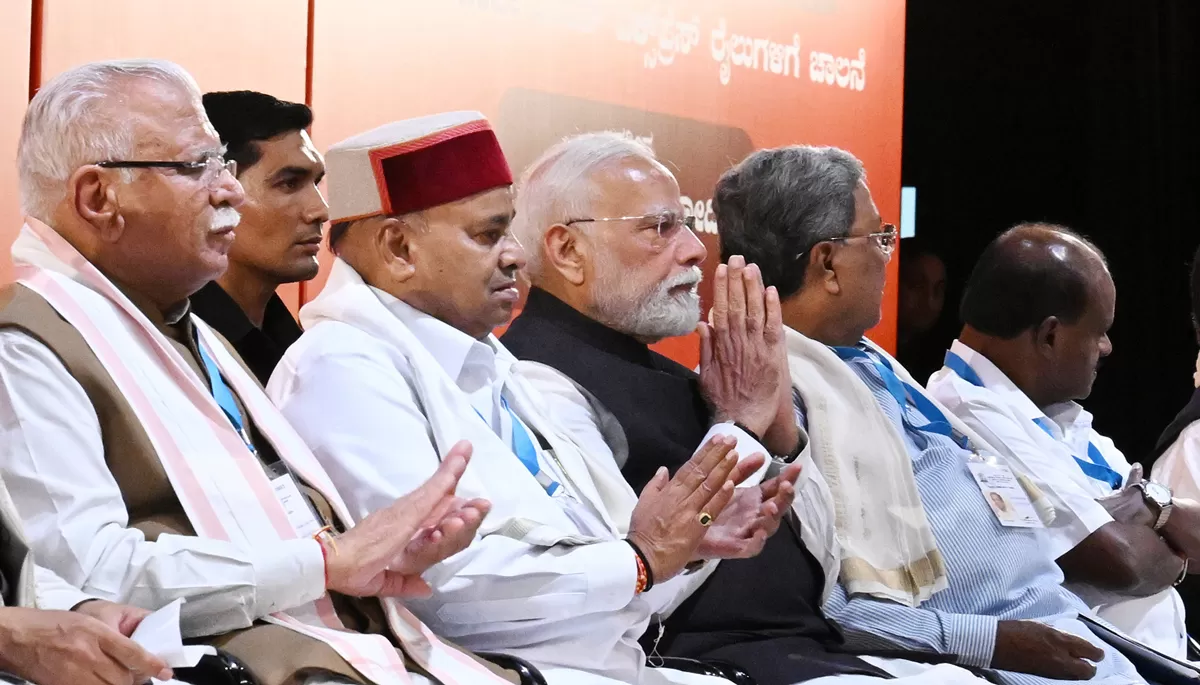
The event was attended by Karnataka Governor Thaawarchand Gehlot, Chief Minister Siddaramaiah, Union Ministers Manohar Lal, H.D. Kumaraswamy, Ashwini Vaishnaw, V. Somanna, and Shobha Karandlaje, among other dignitaries.

"Join industry leaders at RAHSTA Expo, India's premier platform for roads, highways and traffic infrastructure. Register now to explore innovations, network with experts and shape the future of mobility."

Prime Minister Narendra Modi inaugurated the Rs 7.16 billion Yellow Line of the Bangalore Metro and laid the foundation stone for the Rs 15.61 billion Phase Three project in Bengaluru, Karnataka. He also flagged off three Vande Bharat Express trains from KSR Railway Station, connecting Bengaluru–Belagavi, Nagpur–Pune, and Shri Mata Vaishno Devi Katra–Amritsar.Addressing the gathering, the Prime Minister praised Bengaluru’s role in India’s technological rise, calling it a city that embodies philosophical depth and cutting-edge innovation. He highlighted the Yellow Line’s connectivity from RV Road to Bommasandra, which will reduce travel time between Basavanagudi and Electronic City, improving ease of living for lakhs of residents. The upcoming Orange Line under Phase Three is expected to facilitate daily travel for 2.5 million passengers when combined with the Yellow Line.Mr Modi lauded the innovative funding model involving CSR contributions from companies such as Infosys Foundation, Biocon, and Delta Electronics for metro station development. He emphasised that such partnerships are setting new benchmarks for public infrastructure projects.Referring to Operation Sindoor, the Prime Minister hailed India’s defence capabilities, citing the swift destruction of terrorist hideouts across the border and forcing Pakistan into retreat within hours. He credited this to technological strength and the Make in India initiative in defence manufacturing, noting the contribution of Karnataka’s youth.The Prime Minister underscored India’s rapid progress — moving from the 10th to the fifth-largest economy in 11 years, with ambitions to enter the top three. Infrastructure achievements since 2014 include metro expansion from five cities to 1,000 km across 24 cities, electrification of over 40,000 km of railway routes, and the doubling of operational airports to more than 160.He also noted significant advances in waterways, health, and education — from seven AIIMS in 2014 to 22 today, and medical seats increasing by over one million in 11 years. Higher education has expanded with more IITs, IIITs, and IIMs, while initiatives like the Pradhan Mantri Awas Yojana have delivered over 40 million houses, with another 30 million planned.Highlighting India’s export growth — mobile handset exports now ranking among the world’s top five and electronics exports rising from USD 6 billion to USD 38 billion — Mr Modi said these reflect the strength of Aatmanirbhar Bharat.He called for self-reliance in technology, greater focus on indigenous product development, and adherence to the ‘Zero Defect, Zero Effect’ principle. He also urged state governments to push reforms, adopt competency-based training, and focus on aspirational regions.The event was attended by Karnataka Governor Thaawarchand Gehlot, Chief Minister Siddaramaiah, Union Ministers Manohar Lal, H.D. Kumaraswamy, Ashwini Vaishnaw, V. Somanna, and Shobha Karandlaje, among other dignitaries.

Next Story
Infrastructure Urban

ABS Marine Sees CRISIL Credit Rating Upgrade

ABS Marine Services has secured an upgrade to its long term and short term credit ratings from CRISIL, reflecting improved profitability and revenue growth through long term contracts. CRISIL moved the long term rating from BBB+/Stable to A-/Stable and revised the short term rating from A2 to A2+. The action signals strengthened financial metrics and operational resilience. The company benefited from durable client relationships with firms such as ONGC and Schlumberger. The rating decision followed stronger cash flows and an enlarged bank loan facility, which increased from Rs 3,705 million (m..

Next Story
Infrastructure Transport

Project BRAHMANK Marks 16 Years Of Strategic Roads In Arunachal

Project BRAHMANK is marking 16 years of work to establish strategic road and bridge links across Arunachal Pradesh, maintaining and developing 811 kilometres of roads and nearly 86 bridges that range from small culverts to large steel and arch bridges. These transport links are described as critical for ensuring year-round movement of defence personnel, equipment and essential supplies while improving everyday travel for people in remote villages. The project balances national security requirements with regional development by focusing on reliable access in challenging terrain. Notable enginee..

Next Story
Infrastructure Transport

Longleng CSOs Give One Week Ultimatum Over Two-Lane Highway

Civil society organisations (CSOs) in Longleng district have demanded immediate restoration of the deteriorating Changtongya–Longleng two-lane road and sought a detailed status report on the stalled construction within one week. The demand followed a consultative meeting convened under the Phom Peoples' Council (PPC) to discuss welfare and development concerns. PPC president YB Angam Phom said prolonged non-maintenance had caused hardship to commuters and affected transportation, local commerce and the district's development. The meeting urged authorities to undertake immediate restoration a..

Advertisement

Subscribe to Our Newsletter

Get daily newsletters around different themes from Construction world.

STAY CONNECTED

Advertisement

Advertisement

Advertisement