Varanasi Kolkata Expressway Clears Environmental Hurdle
ROADS & HIGHWAYS

Varanasi Kolkata Expressway Clears Environmental Hurdle

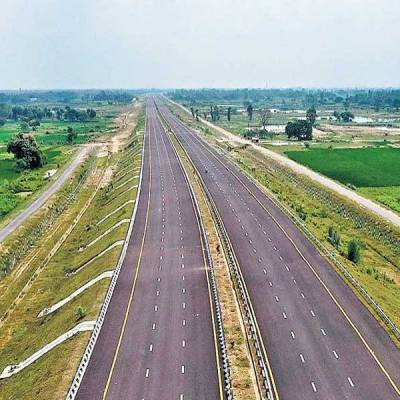
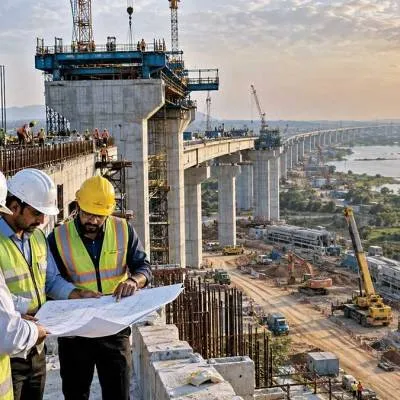
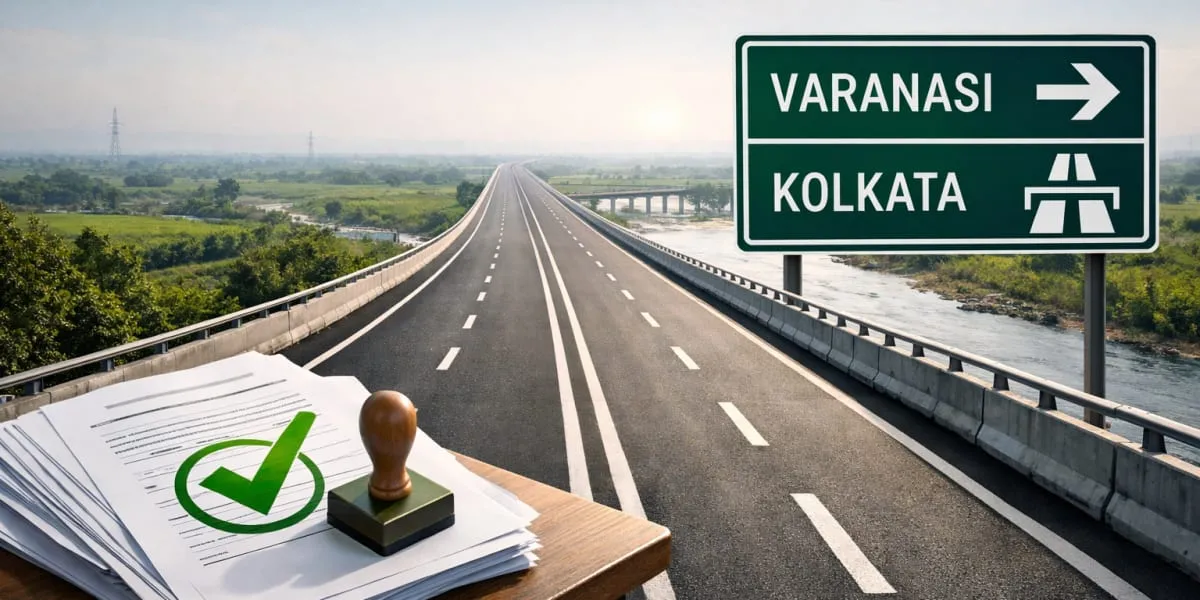
The environment ministry expert panel has cleared the Varanasi Kolkata expressway, removing a major regulatory hurdle for the flagship corridor under the Bharatmala programme. The route will link Varanasi in Uttar Pradesh with Kolkata through Bihar, Jharkhand and West Bengal and early estimates placed the project cost at about Rs 285 billion (bn) to Rs 350 bn, with reports citing a total length of roughly 610 to 620 km. The latest filings highlighted a 235 km greenfield stretch in West Bengal that requires forest diversion.\n\nThe panel noted that the West Bengal section would involve diversion of more than 103 hectares of reserved and protected forest land and the cutting of about 50,000 trees in forest and non-forest areas. It recommended wildlife crossing structures in line with the divisional forest officer's advice, including underpasses up to eight to 10 metres in height and a bridge span of about 300 metres where required. Those measures were presented as essential to reduce habitat fragmentation and maintain connectivity.\n\nAt present the road journey between Varanasi and Kolkata usually takes 12 to 14 hours depending on traffic, route and road conditions and the expressway is expected to cut that to six to seven hours, roughly halving travel time and improving freight movement between eastern and northern India. The corridor is viewed as an economic artery that could link industrial and logistics hubs more efficiently with the eastern metropolis and support trade and tourism across the region. Several states have advanced preparatory work while others have sought alignment changes, underscoring the need for sustained inter-state coordination.\n\nClearing the environmental hurdle constitutes one step but execution risks remain, including final approval for forest diversion, timely implementation of wildlife safeguards, land acquisition and continued coordination between states. The project has become emblematic of how ambitious infrastructure plans can take years to move from announcement to completion and will be judged on whether paperwork now converts into on ground progress. The real test will be timely delivery while meeting environmental and social safeguards.

The environment ministry expert panel has cleared the Varanasi Kolkata expressway, removing a major regulatory hurdle for the flagship corridor under the Bharatmala programme. The route will link Varanasi in Uttar Pradesh with Kolkata through Bihar, Jharkhand and West Bengal and early estimates placed the project cost at about Rs 285 billion (bn) to Rs 350 bn, with reports citing a total length of roughly 610 to 620 km. The latest filings highlighted a 235 km greenfield stretch in West Bengal that requires forest diversion.\n\nThe panel noted that the West Bengal section would involve diversion of more than 103 hectares of reserved and protected forest land and the cutting of about 50,000 trees in forest and non-forest areas. It recommended wildlife crossing structures in line with the divisional forest officer's advice, including underpasses up to eight to 10 metres in height and a bridge span of about 300 metres where required. Those measures were presented as essential to reduce habitat fragmentation and maintain connectivity.\n\nAt present the road journey between Varanasi and Kolkata usually takes 12 to 14 hours depending on traffic, route and road conditions and the expressway is expected to cut that to six to seven hours, roughly halving travel time and improving freight movement between eastern and northern India. The corridor is viewed as an economic artery that could link industrial and logistics hubs more efficiently with the eastern metropolis and support trade and tourism across the region. Several states have advanced preparatory work while others have sought alignment changes, underscoring the need for sustained inter-state coordination.\n\nClearing the environmental hurdle constitutes one step but execution risks remain, including final approval for forest diversion, timely implementation of wildlife safeguards, land acquisition and continued coordination between states. The project has become emblematic of how ambitious infrastructure plans can take years to move from announcement to completion and will be judged on whether paperwork now converts into on ground progress. The real test will be timely delivery while meeting environmental and social safeguards.

Related Stories

Gold Stories

Next Story
Products

Koemmerling opens Navi Mumbai experience centre

Koemmerling, a brand of the profine Group, has expanded its presence in the Mumbai metropolitan region with the opening of a new experience centre in Navi Mumbai and launched its Allure S46 minimal sliding door system for the Indian market.Located in CBD Belapur, the facility was inaugurated by Peter Mrosik, Owner and CEO, profine Group, along with Farid Khan, Chairman and Managing Director, profine India, and Kamal Bajaj, CEO, profine India.The company said the new centre will showcase its portfolio of uPVC and aluminium window and door systems to architects, developers and homeowners.The ina..

Next Story
Products

India's waterproofing market nears Rs 150 bn milestone

India's waterproofing industry is approaching a market size of Rs 150 billion and is expected to surpass the $2 billion milestone, according to speakers at the 2nd India International Waterproofers Conference & Expo 2026 organised by the Waterproofers Association of India (WAI) in New Delhi.The two-day event brought together more than 20 speakers, 55 international delegates and 53 exhibition booths, with discussions focusing on climate-resilient construction, advanced waterproofing technologies and international collaboration.Inaugurating the event, Durga Shanker Mishra, former Secretary, ..

Next Story
Real Estate

Dilip Buildcon Q1 FY27 Revenue at Rs 23.78 billion

Dilip Buildcon Limited reported consolidated revenue from operations of Rs 2,378 crore in Q1 FY27, along with EBITDA of Rs 429 crore and profit after tax of Rs 128 crore.Consolidated EBITDA margin stood at 18.1%, improving from 17.1% in Q4 FY26. On a standalone basis, revenue from operations was Rs 1,930 crore, EBITDA stood at Rs 199 crore and PAT was Rs 39 crore, with an EBITDA margin of 10.3%.The company’s order book stood at Rs 27,691 crore as of 30 June 2026, compared with Rs 28,830 crore as of 31 March 2026. Roads and highways accounted for 17.1% of the order book, irrigation and water ..

Advertisement

Subscribe to Our Newsletter

Get daily newsletters around different themes from Construction world.

STAY CONNECTED

Advertisement