Bhopal Metro Orange Line Tunnelling Enters Underground Phase
RAILWAYS & METRO RAIL

Bhopal Metro Orange Line Tunnelling Enters Underground Phase

The Orange Line of the Bhopal Metro runs for 15 kilometres from Karond intersection to AIIMS Bhopal and includes both elevated and underground sections. The elevated priority corridor between Subhash Nagar and AIIMS Bhopal was inaugurated in December 2025, and attention has now shifted to construction of underground tunnels in busy parts of the city. The start of tunnelling marks the transition to the most complex phase of works on this alignment.

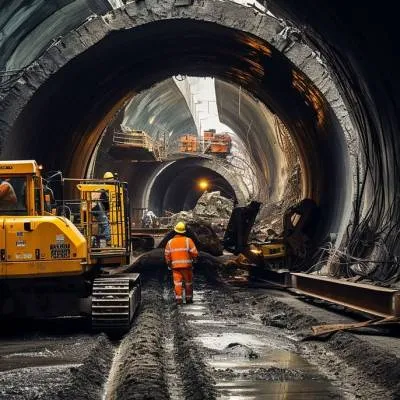
Tunnelling operations will be concentrated near Bhopal Railway Station, Nadra Bus Stand and Pul Bogda, areas that are densely settled and characterised by narrow roads and historic buildings. Engineers will sequence work to limit vibrations and monitor nearby structures to prevent damage and settlement. Authorities have highlighted the need for careful coordination with local utilities and heritage conservation bodies.

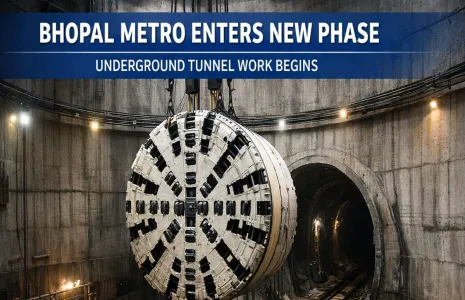
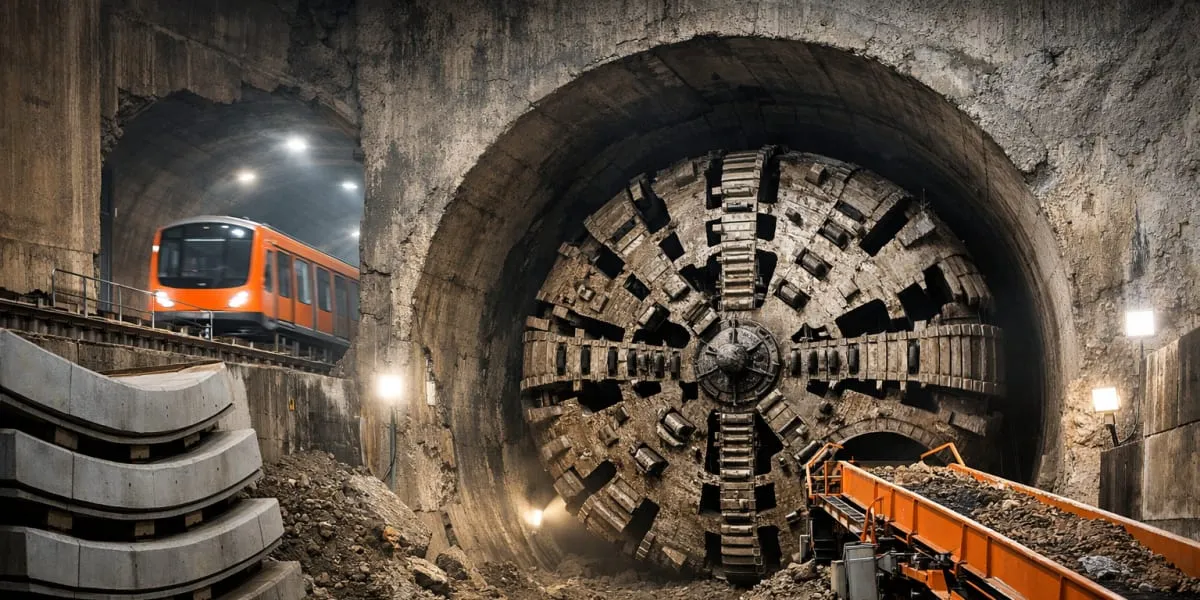
Officials from Madhya Pradesh Metro Rail Corporation Limited (MPMRCL) said Tunnel Boring Machines (TBMs) are being lowered into launch shafts and prepared for continuous drilling. Each machine weighs several hundred tonnes and will excavate twin tunnels that will later accommodate metro tracks and passenger facilities. The MPMRCL noted that variable soil conditions and the potential for water ingress pose engineering challenges but that modern TBM technology is capable of managing diverse ground conditions while minimising surface impact.

Authorities expect tunnelling on this section to be completed in about three months and have scheduled works to maintain traffic flow and public safety. The Orange Line forms part of a broader metro development plan that includes the Blue Line, and both phases are projected to be finished in around two years. Once operational, the underground sections are expected to relieve congestion in busy corridors and provide faster and more reliable travel across the city, supporting urban regeneration and improved commuter experience.

"Join industry leaders at RAHSTA Expo, India's premier platform for roads, highways and traffic infrastructure. Register now to explore innovations, network with experts and shape the future of mobility."

The Orange Line of the Bhopal Metro runs for 15 kilometres from Karond intersection to AIIMS Bhopal and includes both elevated and underground sections. The elevated priority corridor between Subhash Nagar and AIIMS Bhopal was inaugurated in December 2025, and attention has now shifted to construction of underground tunnels in busy parts of the city. The start of tunnelling marks the transition to the most complex phase of works on this alignment. Tunnelling operations will be concentrated near Bhopal Railway Station, Nadra Bus Stand and Pul Bogda, areas that are densely settled and characterised by narrow roads and historic buildings. Engineers will sequence work to limit vibrations and monitor nearby structures to prevent damage and settlement. Authorities have highlighted the need for careful coordination with local utilities and heritage conservation bodies. Officials from Madhya Pradesh Metro Rail Corporation Limited (MPMRCL) said Tunnel Boring Machines (TBMs) are being lowered into launch shafts and prepared for continuous drilling. Each machine weighs several hundred tonnes and will excavate twin tunnels that will later accommodate metro tracks and passenger facilities. The MPMRCL noted that variable soil conditions and the potential for water ingress pose engineering challenges but that modern TBM technology is capable of managing diverse ground conditions while minimising surface impact. Authorities expect tunnelling on this section to be completed in about three months and have scheduled works to maintain traffic flow and public safety. The Orange Line forms part of a broader metro development plan that includes the Blue Line, and both phases are projected to be finished in around two years. Once operational, the underground sections are expected to relieve congestion in busy corridors and provide faster and more reliable travel across the city, supporting urban regeneration and improved commuter experience.

Next Story
Real Estate

Pecan Realty Completes Rs 1.5 Billion Transactions

Pecan Realty has recently completed four institutional transactions worth over Rs 1.5 billion over the past two years, strengthening its position as an execution-led real estate platform. The deals include resolution-led acquisitions, structured finance transactions and capital partnerships across its development portfolio.The transactions covered acquisitions through the National Company Law Tribunal process and helped provide repayment or exits to both private and public sector lenders. The company said the deals demonstrate its ability to resolve complex project situations, work with instit..

Next Story
Real Estate

SNN Estates Expands North Bengaluru Housing Project

SNN Estates has announced an expansion of its SNN Estates Felicity residential project in North Bengaluru following strong buyer demand, with 75 per cent of the first-phase inventory sold within three days of launch.The developer will add 76 apartments in the new phase, taking the project's estimated revenue potential to around Rs 1,000 crore upon completion of Phase 2.Spread across 6.5 acres in Rachenahalli, near Manyata Tech Park, the project comprises 604 apartments in 1.5, 2, 2.5, 3 and 4 BHK configurations. The development includes a 50,000-sq-ft clubhouse with amenities such as sports co..

Next Story
Infrastructure Urban

SCG Drives ASEAN Industrial Transformation Strategy

SCG is strengthening its focus on ASEAN as a key growth region by advancing industrial transformation, enhancing competitiveness and building resilient regional value chains. Thammasak Sethaudom, President and Chief Executive Officer, SCG, highlighted the need for industries to continuously develop capabilities, strengthen resilience and deepen regional cooperation to achieve sustainable long-term growth.SCG views ASEAN as an important growth engine alongside China, supported by favourable demographics, trade connectivity and investment flows. With ASEAN’s GDP projected to grow by around 4.7..

Advertisement

Subscribe to Our Newsletter

Get daily newsletters around different themes from Construction world.

STAY CONNECTED

Advertisement

Advertisement

Advertisement