Delhi-Karnal Travel Time Set to Fall with Rs. 330.51 bn Corridor
RAILWAYS & METRO RAIL

Delhi-Karnal Travel Time Set to Fall with Rs. 330.51 bn Corridor

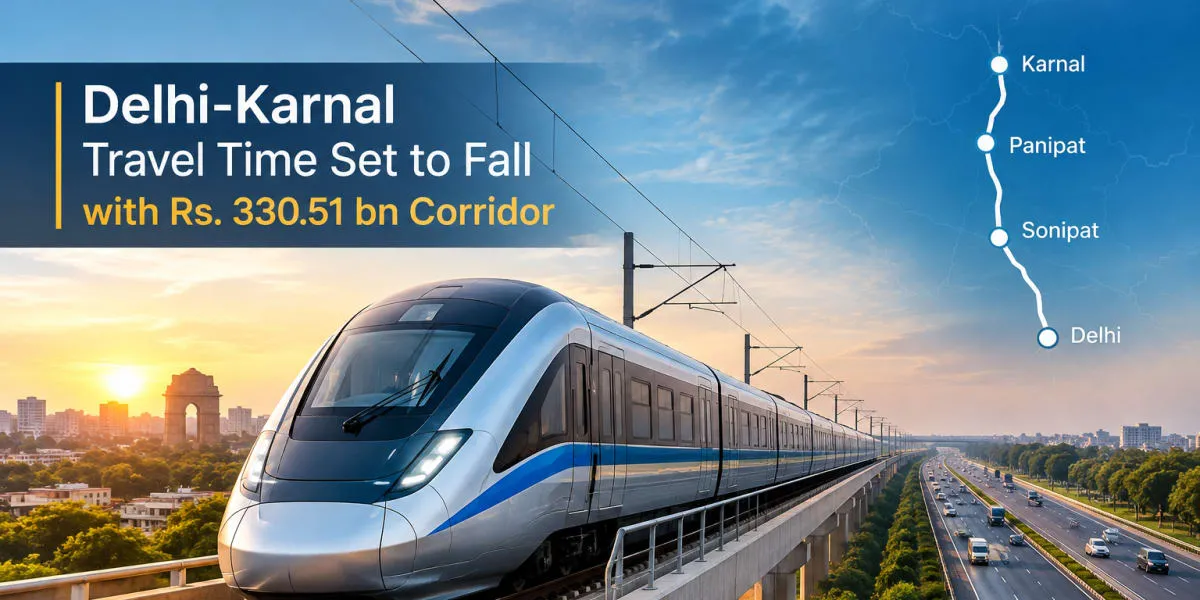
The proposed 136.3-km Delhi-Panipat-Karnal Namo Bharat corridor has received approval from the National Highways Authority of India, taking the rapid rail project closer to implementation. Developed by the National Capital Region Transport Corporation (NCRTC), the corridor is estimated to cost Rs. 330.51 bn and is targeted for completion by 2030.

The route will run parallel to NH-44, linking Delhi with Sonipat, Panipat and Karnal. The project has received clearances from the Centre and the Haryana government, while NHAI has granted land-use permission for pier construction, stations and the relocation of high-tension power lines. Preliminary work has begun on an approximately 22-km stretch between Narela and Murthal.

The corridor is planned to have 22 stations, with most elevated and selected stations in Delhi and Panipat underground or at ground level. Trains will have a design speed of 180 kmph and an operating speed of 160 kmph, with proposed intervals of five to 10 minutes. The network will connect with the existing Delhi-Meerut corridor and several Metro, railway, bus and expressway links.

Travel between Delhi and Panipat, which currently takes about two to two-and-a-half hours by road or regular train, is projected to fall to nearly one hour. The journey to Karnal, now requiring about three-and-a-half to four hours, is targeted at around 90 minutes. The planned interchanges at Sarai Kale Khan, Kashmere Gate, Kundli and the KMP Expressway could improve access to workplaces, educational institutions, markets and healthcare facilities.

The project is also expected to influence residential and commercial development in Sonipat, Panipat and Karnal. Property industry representatives have said improved connectivity could support housing, offices, retail outlets, hotels and mixed-use projects, particularly around stations such as Kundli, Bahalgarh, Murthal and Ganaur. Haryana’s proposed Transit-Oriented Development policy could encourage denser development near stations, although the eventual impact will depend on construction progress, station accessibility, supporting infrastructure and the corridor’s actual travel times.

The proposed 136.3-km Delhi-Panipat-Karnal Namo Bharat corridor has received approval from the National Highways Authority of India, taking the rapid rail project closer to implementation. Developed by the National Capital Region Transport Corporation (NCRTC), the corridor is estimated to cost Rs. 330.51 bn and is targeted for completion by 2030. The route will run parallel to NH-44, linking Delhi with Sonipat, Panipat and Karnal. The project has received clearances from the Centre and the Haryana government, while NHAI has granted land-use permission for pier construction, stations and the relocation of high-tension power lines. Preliminary work has begun on an approximately 22-km stretch between Narela and Murthal. The corridor is planned to have 22 stations, with most elevated and selected stations in Delhi and Panipat underground or at ground level. Trains will have a design speed of 180 kmph and an operating speed of 160 kmph, with proposed intervals of five to 10 minutes. The network will connect with the existing Delhi-Meerut corridor and several Metro, railway, bus and expressway links. Travel between Delhi and Panipat, which currently takes about two to two-and-a-half hours by road or regular train, is projected to fall to nearly one hour. The journey to Karnal, now requiring about three-and-a-half to four hours, is targeted at around 90 minutes. The planned interchanges at Sarai Kale Khan, Kashmere Gate, Kundli and the KMP Expressway could improve access to workplaces, educational institutions, markets and healthcare facilities. The project is also expected to influence residential and commercial development in Sonipat, Panipat and Karnal. Property industry representatives have said improved connectivity could support housing, offices, retail outlets, hotels and mixed-use projects, particularly around stations such as Kundli, Bahalgarh, Murthal and Ganaur. Haryana’s proposed Transit-Oriented Development policy could encourage denser development near stations, although the eventual impact will depend on construction progress, station accessibility, supporting infrastructure and the corridor’s actual travel times.

Related Stories

Gold Stories

Next Story
Real Estate

Emaar India Launches Grade-A Office Tower in Gurugram

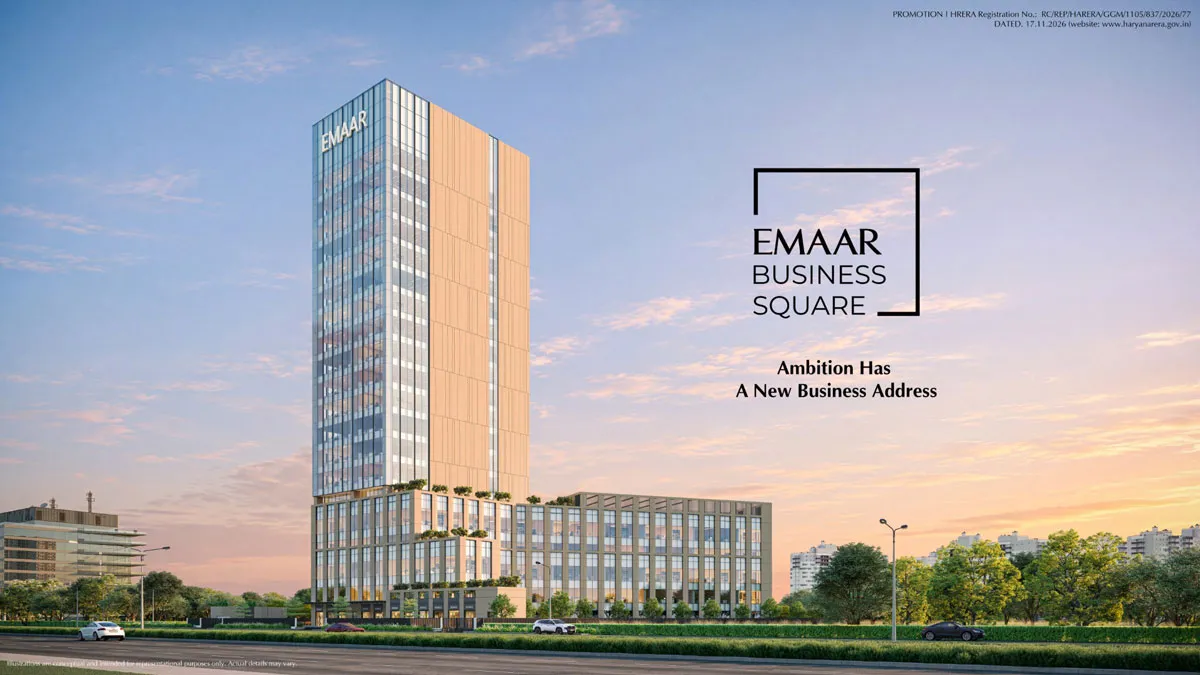
Emaar India, the Indian arm of Dubai-based Emaar Properties, recently launched Emaar Business Square, a Grade-A commercial tower in Sector 65, Gurugram. Pre-certified IGBC Platinum, the development offers flexible office spaces, sustainable building features and ground-floor retail facilities.The launch comes amid growing demand for premium office spaces in Gurugram. According to Cushman & Wakefield, Gurugram accounted for 63 per cent of Delhi NCR’s office leasing during the July–September quarter of 2026. The region recorded office leasing of 3.8 million sq ft during the quarter, taki..

Next Story
Infrastructure Urban

SFC Environmental Technologies Posts 80.5% Revenue Growth in H1 FY27

SFC Environmental Technologies recently announced its first financial results as a listed company, reporting an 80.5 per cent year-on-year (YoY) increase in consolidated revenue from operations to Rs 2.97 billion for the half year ended 30 September 2026 (H1 FY27).The company’s EBITDA increased by 86.9 per cent YoY to Rs 200.5 million, with an EBITDA margin of 6.8 per cent. Profit after tax (PAT) rose to Rs 35.8 million from Rs 0.4 million in H1 FY26. The company's order book stood at Rs 16.56 billion as of 30 September 2026, representing approximately 2.1 times its FY26 revenue.For Q2 FY27,..
Next Story
Infrastructure Urban

IGBC, University of Mumbai Partner to Advance Green Education

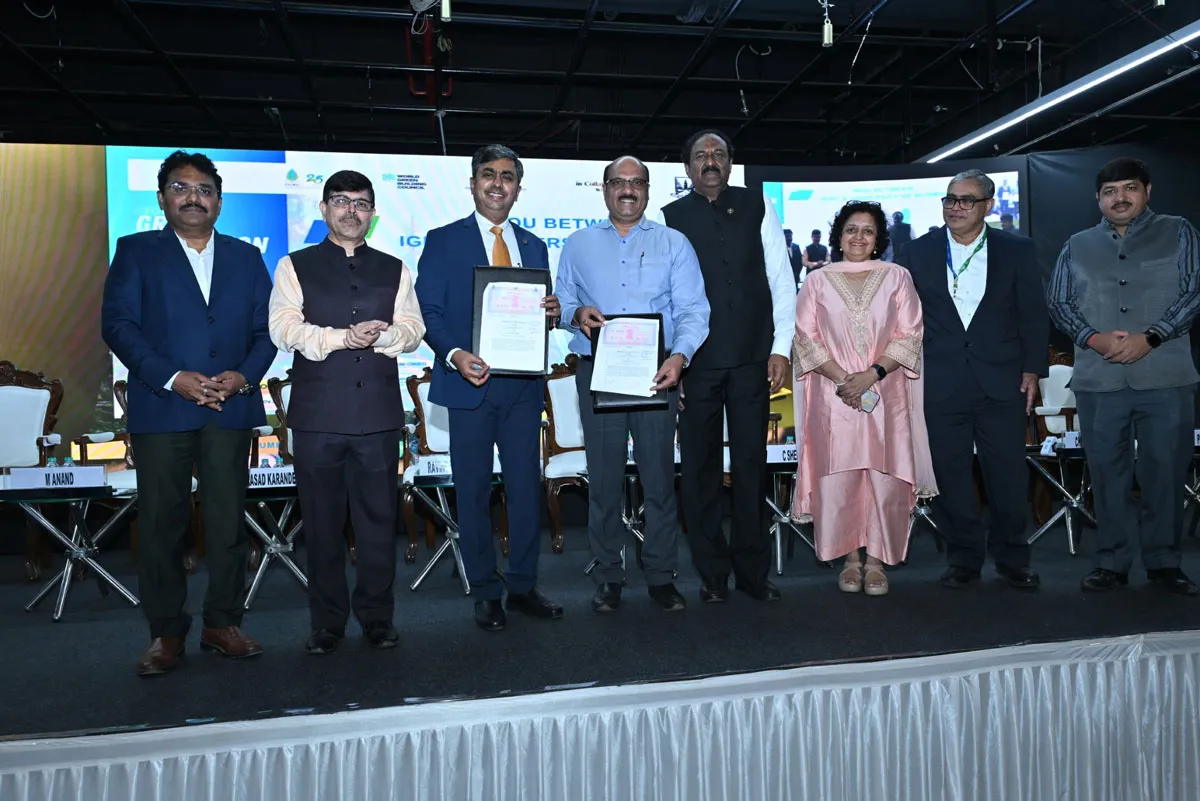
The Indian Green Building Council (IGBC), part of the Confederation of Indian Industry (CII), and the University of Mumbai recently signed a Memorandum of Understanding (MoU) to strengthen green education and develop skilled professionals for India’s sustainable built environment sector. The agreement was signed during the Green Education Conclave 2026 at the university’s Kalina campus.Under the partnership, both institutions will jointly develop a specialised course on ‘Green Built Environment’ for students pursuing civil, electrical, environmental and mechanical engineering, as well ..

Subscribe to Our Newsletter

Get daily newsletters around different themes from Construction world.

STAY CONNECTED

Advertisement

SPECIAL OFFER
QR Code