DMRC Revises Phase 4 Plan to Save 69 Trees in Construction Area
RAILWAYS & METRO RAIL

DMRC Revises Phase 4 Plan to Save 69 Trees in Construction Area

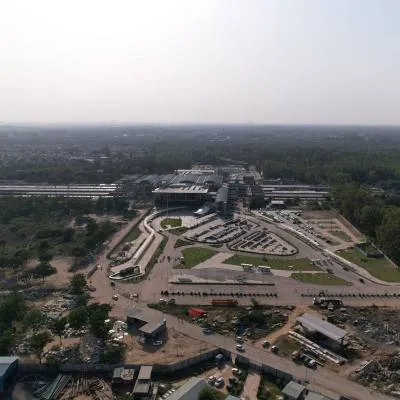
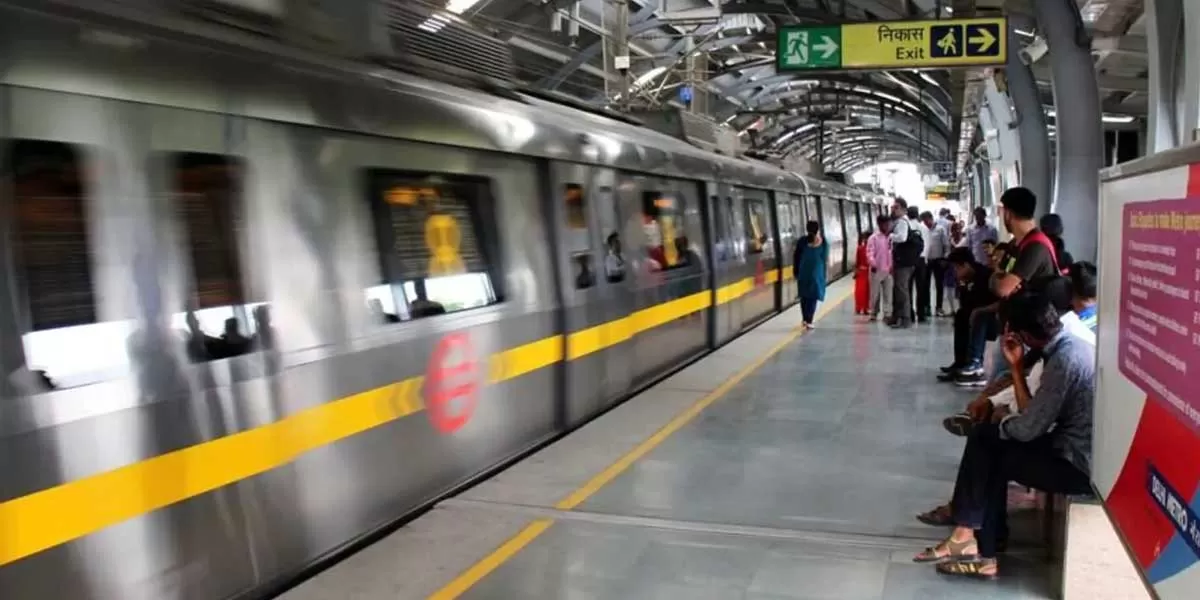
The Delhi Metro Rail Corporation (DMRC) has revised its Phase 4 construction plans to preserve 69 trees that were originally set to be removed. This decision highlights DMRC?s commitment to environmental sustainability amidst extensive urban development projects.

The modification comes after significant feedback from environmentalists and local communities concerned about the ecological impact of the metro expansion. The new plan incorporates tree-saving measures and reforestation efforts to mitigate the impact on green spaces.

The Phase 4 extension of the Delhi Metro network aims to enhance connectivity across the city, but it has faced scrutiny over its environmental footprint. By adjusting construction strategies, DMRC has demonstrated a proactive approach to balancing urban growth with ecological preservation.

The updated plan involves redesigning certain segments of the metro line and incorporating advanced construction techniques that minimise damage to surrounding vegetation. In addition to preserving existing trees, DMRC will also undertake a replanting initiative to bolster green cover in the affected areas.

These changes reflect a growing trend among infrastructure projects in India, where environmental considerations are increasingly being integrated into planning and execution stages. DMRC?s efforts are expected to set a precedent for future urban development projects, highlighting the importance of sustainable practices in infrastructure growth.

The Delhi Metro Rail Corporation (DMRC) has revised its Phase 4 construction plans to preserve 69 trees that were originally set to be removed. This decision highlights DMRC?s commitment to environmental sustainability amidst extensive urban development projects. The modification comes after significant feedback from environmentalists and local communities concerned about the ecological impact of the metro expansion. The new plan incorporates tree-saving measures and reforestation efforts to mitigate the impact on green spaces. The Phase 4 extension of the Delhi Metro network aims to enhance connectivity across the city, but it has faced scrutiny over its environmental footprint. By adjusting construction strategies, DMRC has demonstrated a proactive approach to balancing urban growth with ecological preservation. The updated plan involves redesigning certain segments of the metro line and incorporating advanced construction techniques that minimise damage to surrounding vegetation. In addition to preserving existing trees, DMRC will also undertake a replanting initiative to bolster green cover in the affected areas. These changes reflect a growing trend among infrastructure projects in India, where environmental considerations are increasingly being integrated into planning and execution stages. DMRC?s efforts are expected to set a precedent for future urban development projects, highlighting the importance of sustainable practices in infrastructure growth.

Next Story
Building Material

Suraj Estate Wins Euromoney Award for India’s Best Residential Developer

"Suraj Estate Developers Limited has received the Euromoney Real Estate Award 2025 for ‘India’s Best Residential Developer’, positioning the company among globally benchmarked leaders in the sector. The recognition reflects its four-decade legacy in delivering high-quality residential and redevelopment-led projects across South Central Mumbai. The Euromoney Real Estate Awards, presented by the London-based Euromoney magazine, are widely regarded as one of the most credible global assessments of performance in real estate, banking and finance. Winners are selected through surveys of inte..

Next Story
Building Material

Lloyds Metals, Tata Steel Sign MoU to Explore Strategic Collaboration

"Lloyds Metals and Energy Limited has signed a non-binding Memorandum of Understanding with Tata Steel Limited to evaluate potential areas of strategic cooperation across mining, logistics, pelletisation and steelmaking. The MoU was signed by B Prabhakaran, Managing Director of Lloyds Metals, and Mr T V Narendran, CEO and Managing Director of Tata Steel. The partnership framework aims to leverage the natural operational synergies between both companies and assess opportunities in greenfield steel projects, iron ore mining, slurry pipeline infrastructure, pellet manufacturing in iron ore–ric..

Next Story
Building Material

IndiaAI, Gujarat Govt Host Regional Conclave Ahead of 2026 AI Summit

The IndiaAI Mission under the Ministry of Electronics and Information Technology, along with the Government of Gujarat and IIT Gandhinagar, convened a Regional Pre-Summit Event at Mahatma Mandir, Gandhinagar. The initiative is part of the build-up to the India–AI Impact Summit 2026, scheduled for 15–20 February 2026 at Bharat Mandapam, New Delhi. The conclave brought together senior policymakers, technology leaders, researchers and industry practitioners to examine how AI can accelerate economic, digital and social transformation across sectors. The programme focused on the overarching th..

Advertisement

Subscribe to Our Newsletter

Get daily newsletters around different themes from Construction world.

STAY CONNECTED

Advertisement

Advertisement

Advertisement

Advertisement

Open In App