Freight Corridor Completion by 2025
RAILWAYS & METRO RAIL

Freight Corridor Completion by 2025

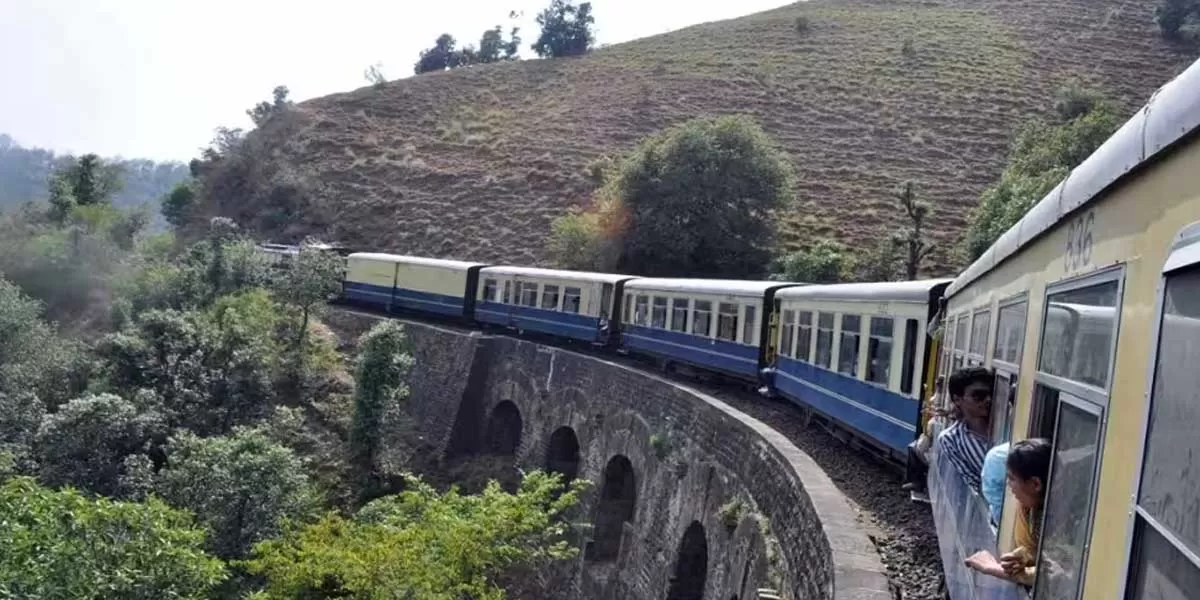
The Indian Railways' Dedicated Freight Corridor (DFC) project, a significant infrastructure initiative, aims for completion by December 2025. This ambitious project focuses on enhancing freight transport efficiency, supporting economic growth, and transforming the nation?s logistics landscape.

The DFC comprises two main corridors: the Eastern Dedicated Freight Corridor (EDFC) and the Western Dedicated Freight Corridor (WDFC). The EDFC spans from Ludhiana in Punjab to Dankuni in West Bengal, while the WDFC stretches from Dadri in Uttar Pradesh to Jawaharlal Nehru Port in Mumbai. Together, these corridors cover approximately 3,360 kilometers, designed to handle high-capacity freight trains at speeds of up to 100 km/h.

The primary objective of the DFC project is to decongest the existing railway network, separating freight and passenger train operations. This separation will enhance the efficiency and reliability of both freight and passenger services. The dedicated tracks for freight trains will significantly increase the capacity for transporting goods, reducing transit times and logistical costs. This improvement is expected to boost the competitiveness of Indian industries by providing more reliable and cost-effective transportation solutions.

Key features of the DFC include the use of advanced technology and equipment. The corridors are equipped with modern signaling systems, automatic train protection, and state-of-the-art locomotives. Additionally, the project incorporates sustainable practices, such as the use of eco-friendly materials and energy-efficient technologies, contributing to India's environmental goals.

The completion of the DFC is projected to have a substantial impact on the Indian economy. By improving the efficiency of freight transport, the DFC will support the growth of various industries, including manufacturing, agriculture, and mining. The corridors will facilitate the movement of essential commodities, such as coal, steel, cement, and food grains, across the country, ensuring timely delivery and reducing supply chain disruptions.

The DFC project also aligns with the government's broader infrastructure development plans. It is a crucial component of the National Rail Plan, which aims to create a future-ready rail network by 2030. The plan envisions increased rail capacity, improved connectivity, and enhanced safety standards to support India's growing economy and population.

Despite challenges such as land acquisition issues and funding constraints, the DFC project has made significant progress. Several sections of the corridors are already operational, and the remaining sections are under various stages of construction. The Indian Railways is committed to meeting the December 2025 deadline, with concerted efforts to expedite construction activities and address any obstacles.

In conclusion, the completion of the Dedicated Freight Corridor by December 2025 represents a transformative milestone for Indian Railways and the nation?s logistics sector. By providing a dedicated, high-capacity freight transport system, the DFC will enhance the efficiency of goods movement, support economic growth, and contribute to India's infrastructure development goals. This project underscores the government's commitment to modernizing the rail network and building a robust foundation for future growth.

The Indian Railways' Dedicated Freight Corridor (DFC) project, a significant infrastructure initiative, aims for completion by December 2025. This ambitious project focuses on enhancing freight transport efficiency, supporting economic growth, and transforming the nation?s logistics landscape. The DFC comprises two main corridors: the Eastern Dedicated Freight Corridor (EDFC) and the Western Dedicated Freight Corridor (WDFC). The EDFC spans from Ludhiana in Punjab to Dankuni in West Bengal, while the WDFC stretches from Dadri in Uttar Pradesh to Jawaharlal Nehru Port in Mumbai. Together, these corridors cover approximately 3,360 kilometers, designed to handle high-capacity freight trains at speeds of up to 100 km/h. The primary objective of the DFC project is to decongest the existing railway network, separating freight and passenger train operations. This separation will enhance the efficiency and reliability of both freight and passenger services. The dedicated tracks for freight trains will significantly increase the capacity for transporting goods, reducing transit times and logistical costs. This improvement is expected to boost the competitiveness of Indian industries by providing more reliable and cost-effective transportation solutions. Key features of the DFC include the use of advanced technology and equipment. The corridors are equipped with modern signaling systems, automatic train protection, and state-of-the-art locomotives. Additionally, the project incorporates sustainable practices, such as the use of eco-friendly materials and energy-efficient technologies, contributing to India's environmental goals. The completion of the DFC is projected to have a substantial impact on the Indian economy. By improving the efficiency of freight transport, the DFC will support the growth of various industries, including manufacturing, agriculture, and mining. The corridors will facilitate the movement of essential commodities, such as coal, steel, cement, and food grains, across the country, ensuring timely delivery and reducing supply chain disruptions. The DFC project also aligns with the government's broader infrastructure development plans. It is a crucial component of the National Rail Plan, which aims to create a future-ready rail network by 2030. The plan envisions increased rail capacity, improved connectivity, and enhanced safety standards to support India's growing economy and population. Despite challenges such as land acquisition issues and funding constraints, the DFC project has made significant progress. Several sections of the corridors are already operational, and the remaining sections are under various stages of construction. The Indian Railways is committed to meeting the December 2025 deadline, with concerted efforts to expedite construction activities and address any obstacles. In conclusion, the completion of the Dedicated Freight Corridor by December 2025 represents a transformative milestone for Indian Railways and the nation?s logistics sector. By providing a dedicated, high-capacity freight transport system, the DFC will enhance the efficiency of goods movement, support economic growth, and contribute to India's infrastructure development goals. This project underscores the government's commitment to modernizing the rail network and building a robust foundation for future growth.

Next Story
Infrastructure Transport

MMRDA advances 250 m on Orange Gate–Marine Drive tunnel

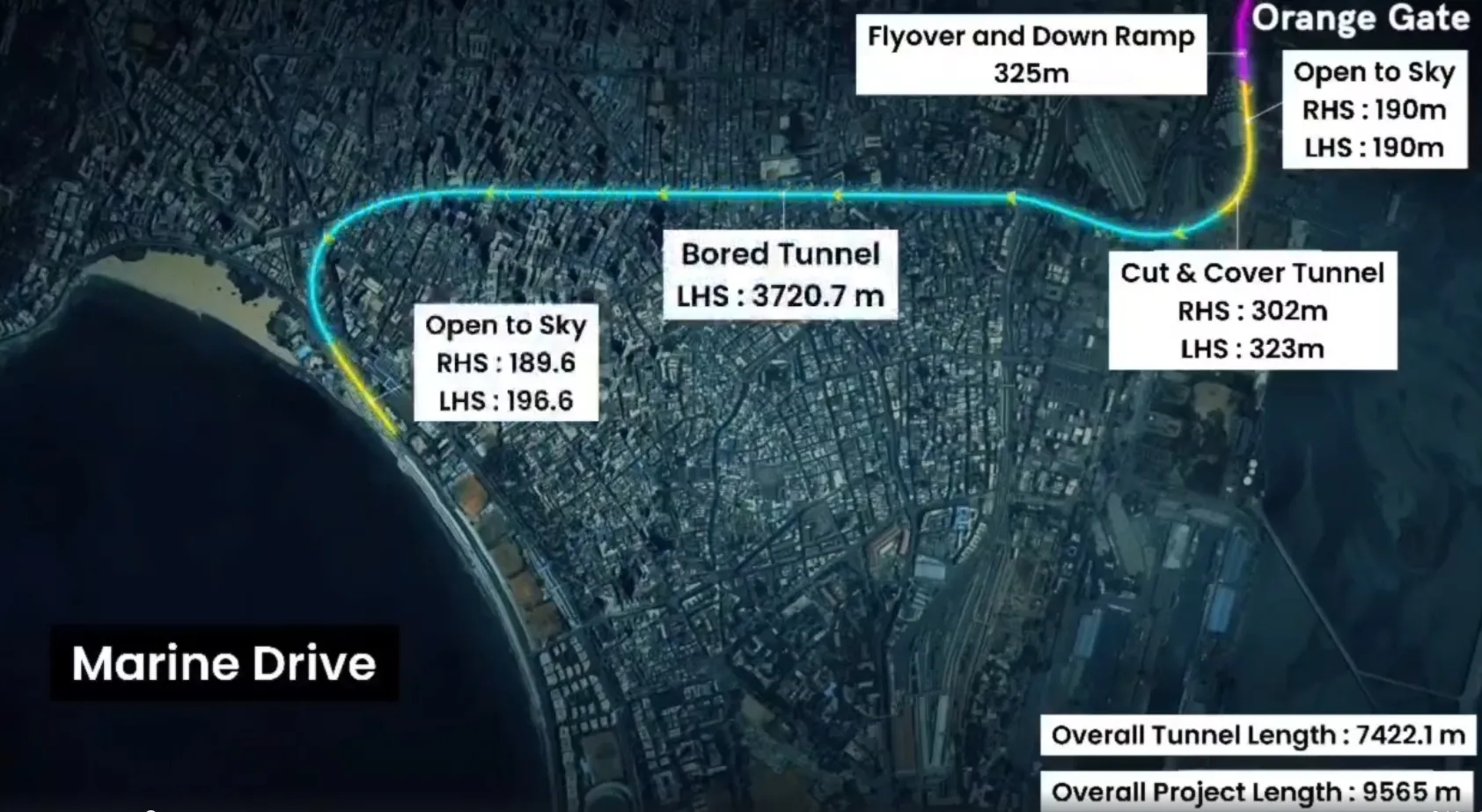
The Mumbai Metropolitan Region Development Authority (MMRDA) has completed 250 m of underground tunnelling for the Orange Gate–Marine Drive Urban Road Tunnel using India’s largest slurry shield tunnel boring machine (TBM) deployed for an urban road project.The project involves twin tunnels extending over 7 km beneath critical transport corridors, including Central Railway, Western Railway and Metro Line 3. The work requires high-precision engineering to navigate densely developed urban infrastructure.Once completed, the tunnel is expected to reduce travel time between Orange Gate and Marin..
Next Story
Infrastructure Urban

Hindustan Zinc Pays Rs 188.46 Billion in FY26

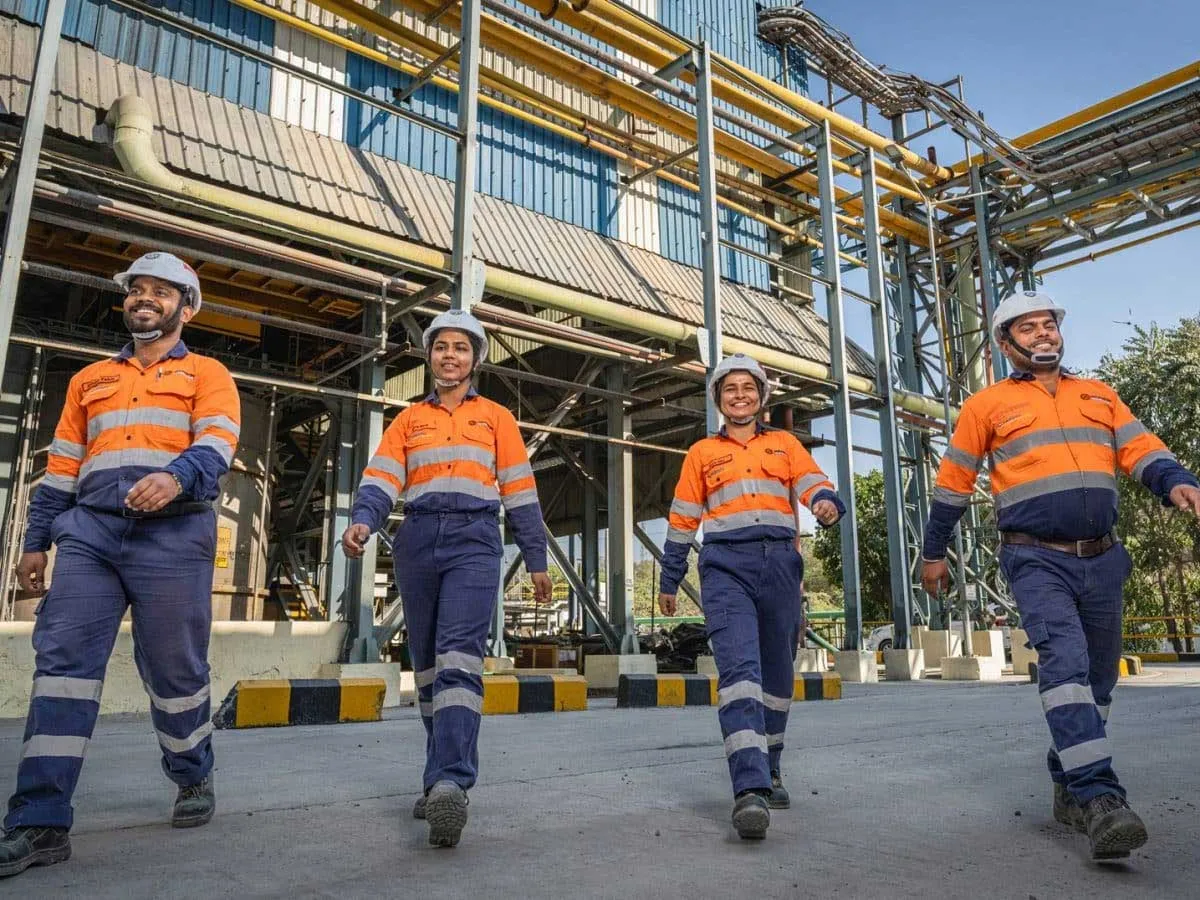
Hindustan Zinc contributed Rs 188.46 billion to the public exchequer in FY 2025-26, according to its 9th Tax Transparency Report. The contribution, equivalent to 46 per cent of the company’s revenue, included direct and indirect taxes, government royalties, dividends to the Government of India, withholding taxes and other statutory levies.The company’s five-year cumulative contribution to the exchequer stood at Rs 915.72 billion. In FY26, Hindustan Zinc reported revenue of Rs 408.44 billion, EBITDA of Rs 221.62 billion and profit after tax of Rs 138.32 billion. It also achieved its highest..
Next Story
Infrastructure Urban

World of Concrete India 2026 Opens in Mumbai

Informa Markets in India will host the 12th edition of World of Concrete India 2026 from 3–5 June 2026 at the Bombay Exhibition Centre, Mumbai. The specialised B2B exhibition will bring together manufacturers, suppliers, contractors, developers, architects, consultants, infrastructure companies, project leaders and government stakeholders.The event is expected to feature over 350 brands and more than 18,000 trade professionals. It will cover concrete and cement, dry mortar, precast technologies, formwork, construction chemicals, industrial and commercial flooring, scaffolding, safety solutio..

Advertisement

Subscribe to Our Newsletter

Get daily newsletters around different themes from Construction world.

STAY CONNECTED

Advertisement

Advertisement

Advertisement