Gurugram Metro Phase 1 Clears Land Hurdle
RAILWAYS & METRO RAIL

Gurugram Metro Phase 1 Clears Land Hurdle

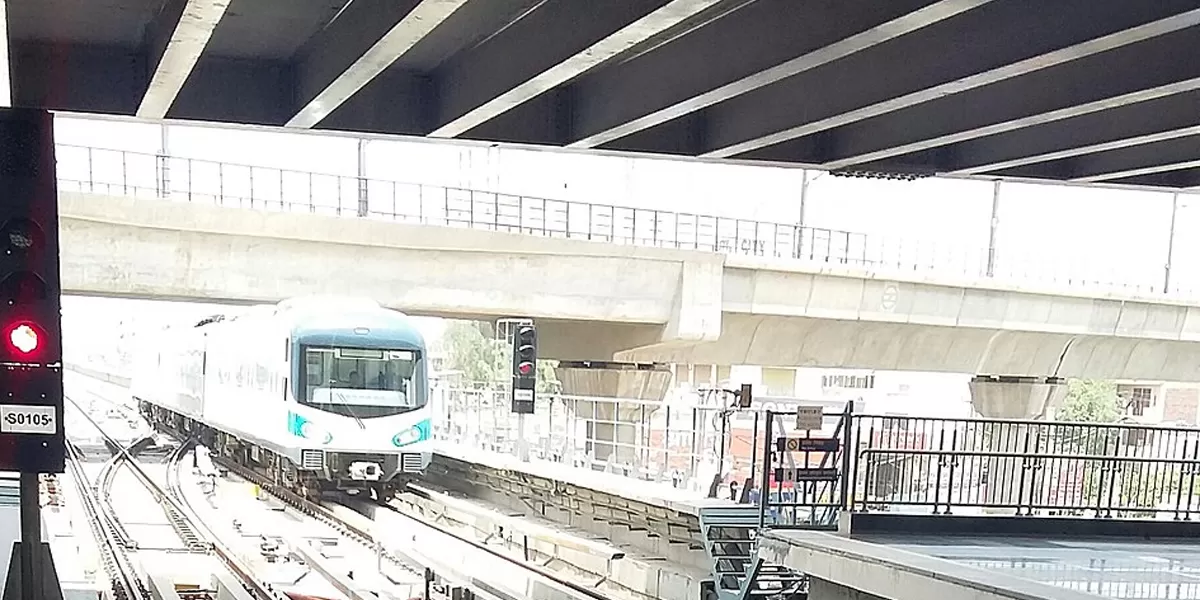
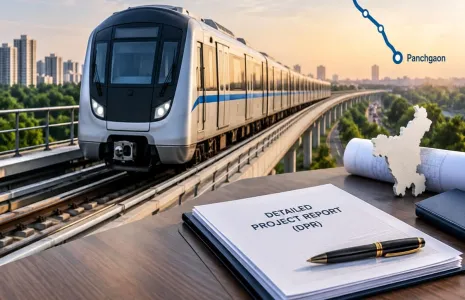
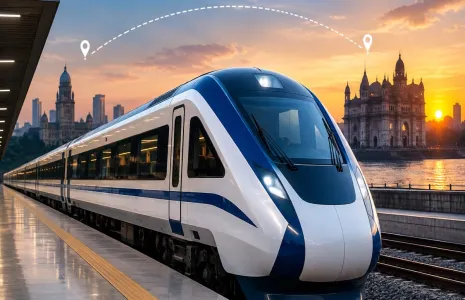
Gurugram’s urban transport network is set for a major overhaul as Gurugram Metro Rail Limited (GMRL) moves forward with Phase 1 of its metro expansion. The project, valued at Rs 12.86 billion, will include a 15.2-kilometre elevated corridor with 14 stations, connecting Millennium City Centre to Sector 9, with an additional spur to Sector 101 on the Dwarka Expressway.

In a key development, GMRL has received approval from the Haryana Shehri Vikas Pradhikaran (HSVP) to utilise over 5,800 square metres of land for the construction of 10 stations. These land parcels will accommodate vital infrastructure such as station entrances, stairways, and lifts.

This project is part of a larger 28.5-kilometre corridor—incorporating the Basai spur—that will eventually connect Millennium City Centre to Cyber City through 27 stations, with a total estimated cost of Rs 54.52 billion.

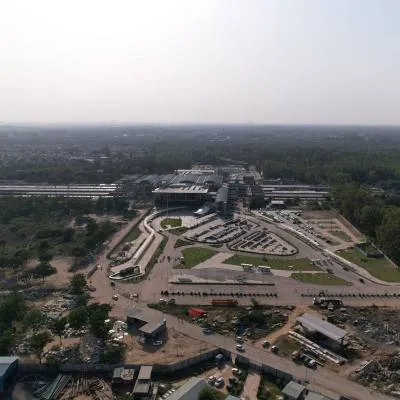
To aid construction, HSVP has allocated 5.25 hectares in Sector 33 for use as a casting yard, which will support precast metro component production. The Phase 1 tender is expected to open on 15 May, while GMRL is also in the final stages of appointing a general consultant.

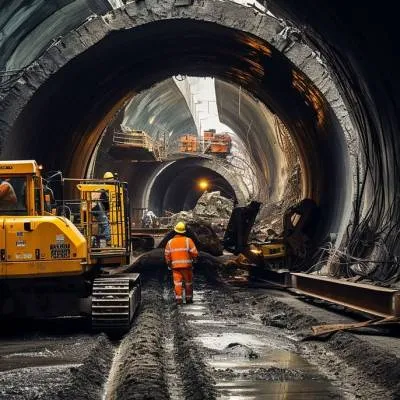
The inclusion of the Bakhtawar Chowk underpass into the plan has led to adjustments in the construction timeline, with civil works now set to begin in June. The underpass component alone is projected to cost Rs 600 million.

Beyond infrastructure, the expansion represents a crucial step toward sustainable urban development. It aims to enhance public transport connectivity, ease road congestion, and reduce vehicle emissions—advancing Gurugram’s transformation into a more accessible and environmentally responsible city.

As the city grows into a major metropolitan hub, the timely execution of this metro corridor will play a vital role in shaping a greener and more commuter-friendly future for its residents.

Gurugram’s urban transport network is set for a major overhaul as Gurugram Metro Rail Limited (GMRL) moves forward with Phase 1 of its metro expansion. The project, valued at Rs 12.86 billion, will include a 15.2-kilometre elevated corridor with 14 stations, connecting Millennium City Centre to Sector 9, with an additional spur to Sector 101 on the Dwarka Expressway.In a key development, GMRL has received approval from the Haryana Shehri Vikas Pradhikaran (HSVP) to utilise over 5,800 square metres of land for the construction of 10 stations. These land parcels will accommodate vital infrastructure such as station entrances, stairways, and lifts.This project is part of a larger 28.5-kilometre corridor—incorporating the Basai spur—that will eventually connect Millennium City Centre to Cyber City through 27 stations, with a total estimated cost of Rs 54.52 billion.To aid construction, HSVP has allocated 5.25 hectares in Sector 33 for use as a casting yard, which will support precast metro component production. The Phase 1 tender is expected to open on 15 May, while GMRL is also in the final stages of appointing a general consultant.The inclusion of the Bakhtawar Chowk underpass into the plan has led to adjustments in the construction timeline, with civil works now set to begin in June. The underpass component alone is projected to cost Rs 600 million.Beyond infrastructure, the expansion represents a crucial step toward sustainable urban development. It aims to enhance public transport connectivity, ease road congestion, and reduce vehicle emissions—advancing Gurugram’s transformation into a more accessible and environmentally responsible city.As the city grows into a major metropolitan hub, the timely execution of this metro corridor will play a vital role in shaping a greener and more commuter-friendly future for its residents.

Next Story
Infrastructure Urban

India Flex Workspace Stock Crosses 100 Mn Sq Ft

India's flexible workspace sector has crossed the 100 million square feet (mn sq ft) milestone and is on course for a ten billion dollar valuation by 2028. The shift reflects a move to profitability-led expansion among operators. Market observers noted growing enterprise mandates and improving financial metrics. Demand has been fuelled by robust enterprise leasing, with Global Capability Centres (GCCs) accounting for nearly 40 per cent of new seats in recent quarters. Average deal sizes have more than doubled, rising from 25 seats in 2023 to 53 seats in 2025. The banking, financial services an..

Next Story
Infrastructure Urban

Bhive Workspace Plans One Million Sq Ft Expansion

Bhive Workspace has announced plans to add one million square feet (mn sq ft) of workspace in 2026 and to invest Rs three billion (bn) to support the expansion. The company stated that the fresh capacity will be targeted at key urban markets where demand for flexible workspace remains strong. The investment is intended to cover leasing, fit outs and technology upgrades for new centres. The expansion follows a period of measured growth and is aligned with the company strategy to increase market coverage. Management indicated that the expansion will enhance the firm portfolio and allow it to sca..

Next Story
Infrastructure Energy

Adani Green Adds Over Five Gigawatt Renewable Capacity In FY26

Adani Green Energy added over five gigawatt (GW) of renewable energy capacity in fiscal year 2026, taking its total operational portfolio to 19.3 GW and marking the highest greenfield annual capacity expansion globally outside China. The new capacity comprised three point four gigawatt of solar, zero point seven gigawatt of wind (686 megawatt (MW)) and one gigawatt of wind-solar hybrid capacity, reflecting a diversified clean energy build-out strategy. The additions underline a focus on scale and diversified site deployment across technologies.\n\nMost of the incremental capacity was commissio..

Advertisement

Subscribe to Our Newsletter

Get daily newsletters around different themes from Construction world.

STAY CONNECTED

Advertisement

Advertisement

Advertisement