Kochi Water Metro Revives City Canals
RAILWAYS & METRO RAIL

Kochi Water Metro Revives City Canals

Kochi, a vibrant city in Kerala, is set to undergo a transformative change with the introduction of the Kochi Water Metro project. This ambitious initiative aims to rejuvenate the city's intricate network of canals, providing a sustainable and efficient mode of transportation for its residents and visitors alike.

The Kochi Water Metro project, spearheaded by the Kerala government in collaboration with various stakeholders, seeks to address the growing traffic congestion and pollution issues plaguing the city. By leveraging its extensive network of water bodies, including lakes, backwaters, and canals, Kochi aims to establish a modern and eco-friendly transport system that complements its unique geographical landscape.

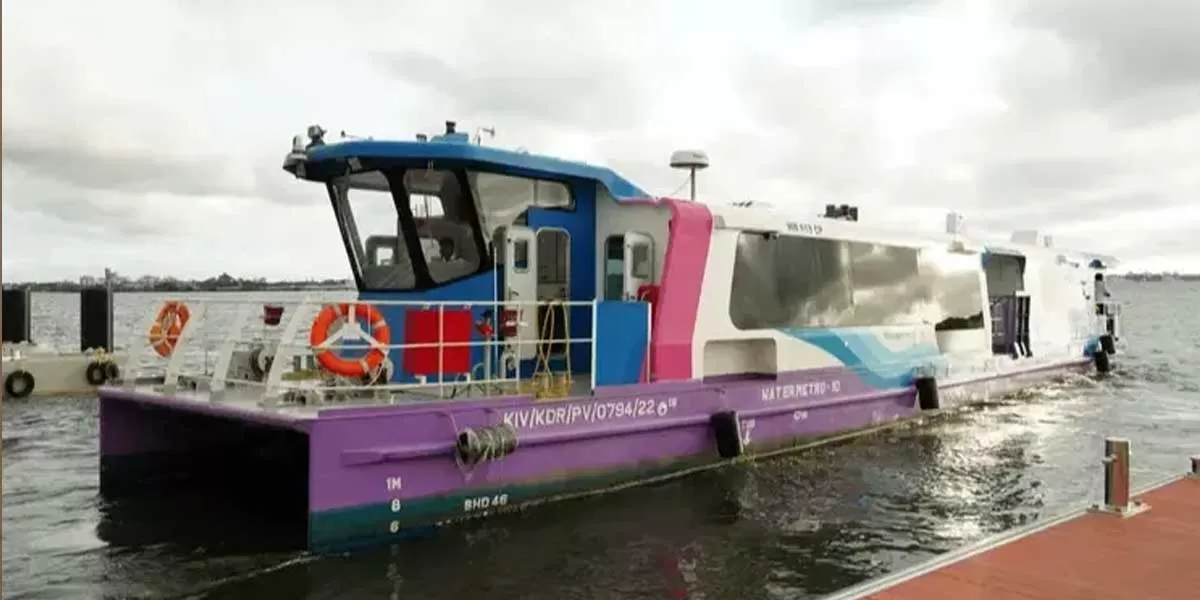
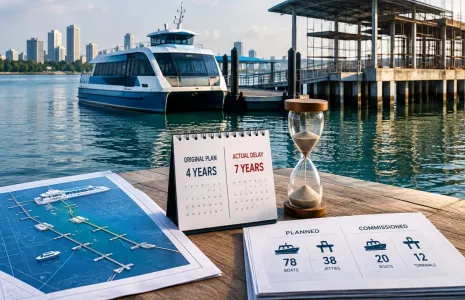
With an estimated investment of over ?100 million, the Kochi Water Metro project is poised to become one of the largest infrastructure developments in the region. The initiative will involve the construction of state-of-the-art terminals, jetties, and boats equipped with modern amenities and safety features, ensuring a comfortable and convenient travel experience for passengers.

One of the key objectives of the Kochi Water Metro is to enhance connectivity within the city and its suburbs. The project will establish multiple waterway routes, connecting major hubs such as the Kochi International Airport, railway stations, commercial centres, and residential areas. This comprehensive network will offer commuters a viable alternative to road-based transportation, reducing travel time and congestion on the city's streets.

Moreover, the Kochi Water Metro holds immense potential for promoting tourism and boosting the local economy. The scenic beauty of Kochi's waterways, combined with the convenience of water-based transport, is expected to attract tourists from across the globe. Additionally, the project will create employment opportunities in various sectors, including boat operations, maintenance, tourism services, and infrastructure development.

Environmental sustainability lies at the heart of the Kochi Water Metro project. By promoting clean and renewable energy sources such as solar power, the initiative aims to minimise its carbon footprint and contribute to the fight against climate change. Furthermore, the revitalisation of Kochi's water bodies will help preserve the region's rich biodiversity and ecological balance.

In conclusion, the Kochi Water Metro project represents a bold step towards a more sustainable and inclusive future for Kochi. By harnessing the power of its waterways, the city is not only revitalising its transport infrastructure but also reclaiming its identity as the Venice of the East. With careful planning, investment, and community engagement, Kochi is poised to emerge as a model for urban waterway development, inspiring cities around the world to embrace the potential of their aquatic resources.

Kochi, a vibrant city in Kerala, is set to undergo a transformative change with the introduction of the Kochi Water Metro project. This ambitious initiative aims to rejuvenate the city's intricate network of canals, providing a sustainable and efficient mode of transportation for its residents and visitors alike. The Kochi Water Metro project, spearheaded by the Kerala government in collaboration with various stakeholders, seeks to address the growing traffic congestion and pollution issues plaguing the city. By leveraging its extensive network of water bodies, including lakes, backwaters, and canals, Kochi aims to establish a modern and eco-friendly transport system that complements its unique geographical landscape. With an estimated investment of over ?100 million, the Kochi Water Metro project is poised to become one of the largest infrastructure developments in the region. The initiative will involve the construction of state-of-the-art terminals, jetties, and boats equipped with modern amenities and safety features, ensuring a comfortable and convenient travel experience for passengers. One of the key objectives of the Kochi Water Metro is to enhance connectivity within the city and its suburbs. The project will establish multiple waterway routes, connecting major hubs such as the Kochi International Airport, railway stations, commercial centres, and residential areas. This comprehensive network will offer commuters a viable alternative to road-based transportation, reducing travel time and congestion on the city's streets. Moreover, the Kochi Water Metro holds immense potential for promoting tourism and boosting the local economy. The scenic beauty of Kochi's waterways, combined with the convenience of water-based transport, is expected to attract tourists from across the globe. Additionally, the project will create employment opportunities in various sectors, including boat operations, maintenance, tourism services, and infrastructure development. Environmental sustainability lies at the heart of the Kochi Water Metro project. By promoting clean and renewable energy sources such as solar power, the initiative aims to minimise its carbon footprint and contribute to the fight against climate change. Furthermore, the revitalisation of Kochi's water bodies will help preserve the region's rich biodiversity and ecological balance. In conclusion, the Kochi Water Metro project represents a bold step towards a more sustainable and inclusive future for Kochi. By harnessing the power of its waterways, the city is not only revitalising its transport infrastructure but also reclaiming its identity as the Venice of the East. With careful planning, investment, and community engagement, Kochi is poised to emerge as a model for urban waterway development, inspiring cities around the world to embrace the potential of their aquatic resources.

Next Story
Resources

Jyoti Structures Launches Heat Safety Drive Across Sites

Jyoti Structures (JSL) has strengthened heat safety measures across its project sites and manufacturing facilities as temperatures rise across India. The company has implemented a Summer Safety Plan covering all transmission line projects to address risks related to heat stress, dehydration and worker fatigue.The initiative includes rescheduling work away from peak afternoon temperatures, provision of drinking water, ORS and lemon-salt solutions, and installation of rest shelters near work areas. Daily toolbox talks, worker health monitoring, first-aid preparedness, emergency transport arrange..

Next Story
Real Estate

MHADA Declares 82 Buildings Most Dangerous in Central and South Mumbai

The Maharashtra Housing and Area Development Authority (MHADA) has declared 82 buildings as most dangerous across Central and South Mumbai and has appealed to residents to vacate immediately. The list, prepared after structural assessments by the authority, identifies buildings judged to pose imminent risk to occupants and to passersby. Local civic bodies have been asked to coordinate evacuations and to make arrangements for temporary shelter and rehabilitation for displaced households. Officials said the authority prioritised buildings with visible structural distress, severe cracking, tiltin..

Next Story
Infrastructure Transport

Damage Reported At Halwara Airport Terminal After First Rains

Severe damage was reported at the terminal of Halwara Airport during the first major rain spell of the season, prompting immediate concern among aviation and local authorities. Images from the site showed water ingress and visible deterioration of the terminal interior, affecting passenger areas and ancillary services. The airport authority suspended certain operations temporarily to assess structural safety and ensure passenger wellbeing. Preliminary inspections have prioritised electrical systems and roof seals to prevent further water ingress. State aviation officials ordered a formal inqui..

Advertisement

Subscribe to Our Newsletter

Get daily newsletters around different themes from Construction world.

STAY CONNECTED

Advertisement

Advertisement

Advertisement

-->