MahaMetro To Procure 300 Buses for Metro Connectivity
RAILWAYS & METRO RAIL

MahaMetro To Procure 300 Buses for Metro Connectivity

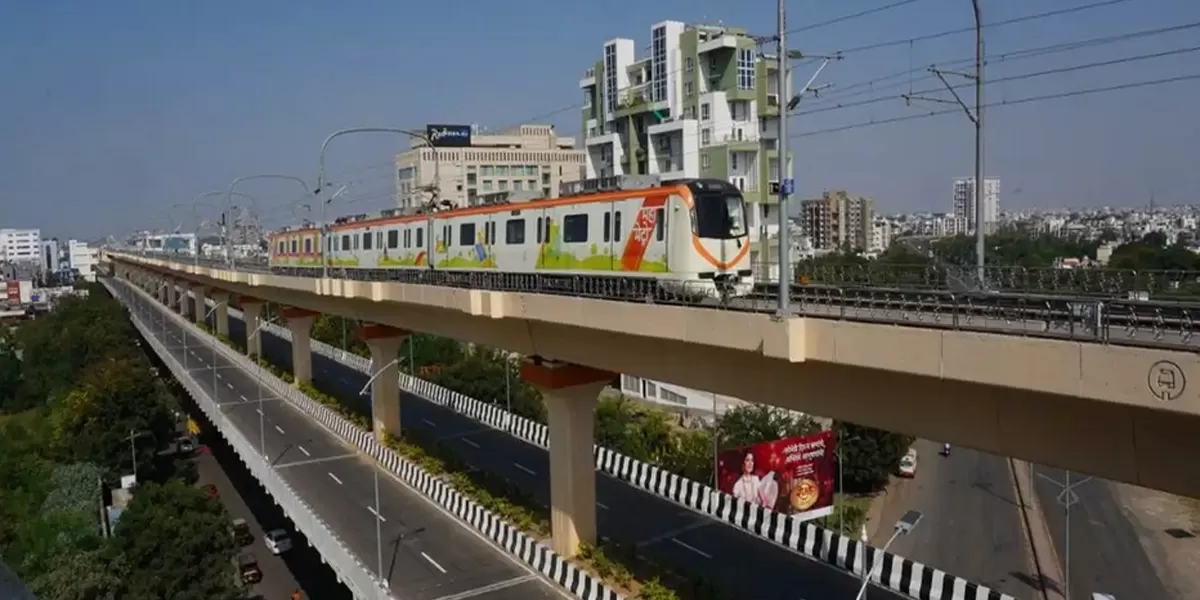
In a significant move to improve last- and first-mile connectivity, MahaMetro is finalising the Detailed Project Report (DPR) for the procurement of 300 feeder buses to serve Metro corridors in Nagpur. Officials confirmed that the report will be submitted to the Maharashtra government within a month for approval.

A senior MahaMetro official stated that the state government will first assess the financial viability and other essential aspects of the project. Depending on its decision, the proposal may then be forwarded to the Union government for final clearance.

This initiative is part of broader efforts to enhance public transport integration, especially as Phase 2 of the Nagpur Metro progresses rapidly. The need for improved feeder services was highlighted during a high-level review meeting chaired by Maharashtra chief secretary Sujata Saunik in January, which emphasised multi-modal synergy between MahaMetro, Nagpur Improvement Trust (NIT), and Nagpur Municipal Corporation (NMC).

While the initial demand was for 500 feeder buses, the DPR now being prepared proposes 300 buses at an estimated cost of Rs 2.2 billion. “Ensuring last-mile connectivity is a priority. With the Metro network expanding, dependable feeder services are crucial,” the official added.

In parallel, the state is advancing first-mile connectivity and safer travel initiatives. Chief Minister Devendra Fadnavis recently announced that MahaMetro will sign a Memorandum of Understanding (MoU) to introduce pink e-rickshaws across Nagpur Metro stations.

This initiative, led by the Women and Child Development Department, aims to enhance travel safety for working women. Under the scheme, 5,000 pink e-rickshaws will be distributed across eight districts, with 2,000 designated for Nagpur. Around 60 have already been allocated to MahaMetro in the first phase.

In a significant move to improve last- and first-mile connectivity, MahaMetro is finalising the Detailed Project Report (DPR) for the procurement of 300 feeder buses to serve Metro corridors in Nagpur. Officials confirmed that the report will be submitted to the Maharashtra government within a month for approval.A senior MahaMetro official stated that the state government will first assess the financial viability and other essential aspects of the project. Depending on its decision, the proposal may then be forwarded to the Union government for final clearance.This initiative is part of broader efforts to enhance public transport integration, especially as Phase 2 of the Nagpur Metro progresses rapidly. The need for improved feeder services was highlighted during a high-level review meeting chaired by Maharashtra chief secretary Sujata Saunik in January, which emphasised multi-modal synergy between MahaMetro, Nagpur Improvement Trust (NIT), and Nagpur Municipal Corporation (NMC).While the initial demand was for 500 feeder buses, the DPR now being prepared proposes 300 buses at an estimated cost of Rs 2.2 billion. “Ensuring last-mile connectivity is a priority. With the Metro network expanding, dependable feeder services are crucial,” the official added.In parallel, the state is advancing first-mile connectivity and safer travel initiatives. Chief Minister Devendra Fadnavis recently announced that MahaMetro will sign a Memorandum of Understanding (MoU) to introduce pink e-rickshaws across Nagpur Metro stations.This initiative, led by the Women and Child Development Department, aims to enhance travel safety for working women. Under the scheme, 5,000 pink e-rickshaws will be distributed across eight districts, with 2,000 designated for Nagpur. Around 60 have already been allocated to MahaMetro in the first phase.

Next Story
Infrastructure Transport

MMRDA advances 250 m on Orange Gate–Marine Drive tunnel

The Mumbai Metropolitan Region Development Authority (MMRDA) has completed 250 m of underground tunnelling for the Orange Gate–Marine Drive Urban Road Tunnel using India’s largest slurry shield tunnel boring machine (TBM) deployed for an urban road project.The project involves twin tunnels extending over 7 km beneath critical transport corridors, including Central Railway, Western Railway and Metro Line 3. The work requires high-precision engineering to navigate densely developed urban infrastructure.Once completed, the tunnel is expected to reduce travel time between Orange Gate and Marin..

Next Story
Infrastructure Urban

Hindustan Zinc Pays Rs 188.46 Billion in FY26

Hindustan Zinc contributed Rs 188.46 billion to the public exchequer in FY 2025-26, according to its 9th Tax Transparency Report. The contribution, equivalent to 46 per cent of the company’s revenue, included direct and indirect taxes, government royalties, dividends to the Government of India, withholding taxes and other statutory levies.The company’s five-year cumulative contribution to the exchequer stood at Rs 915.72 billion. In FY26, Hindustan Zinc reported revenue of Rs 408.44 billion, EBITDA of Rs 221.62 billion and profit after tax of Rs 138.32 billion. It also achieved its highest..

Next Story
Infrastructure Urban

World of Concrete India 2026 Opens in Mumbai

Informa Markets in India will host the 12th edition of World of Concrete India 2026 from 3–5 June 2026 at the Bombay Exhibition Centre, Mumbai. The specialised B2B exhibition will bring together manufacturers, suppliers, contractors, developers, architects, consultants, infrastructure companies, project leaders and government stakeholders.The event is expected to feature over 350 brands and more than 18,000 trade professionals. It will cover concrete and cement, dry mortar, precast technologies, formwork, construction chemicals, industrial and commercial flooring, scaffolding, safety solutio..

Advertisement

Subscribe to Our Newsletter

Get daily newsletters around different themes from Construction world.

STAY CONNECTED

Advertisement

Advertisement

Advertisement